TRENDING

Sunday, 18 October 2026
----------------------
7 Jumada Al-Awwal 1448 AH
French President Emmanuel Macron has expressed concerns over Russian journalist Xenia Fedorova's pro-Kremlin stance, echoing Kremlin talking points on Ukraine and the West. Fedorova's employment by French billionaire Vincent Bollore's media outlets has raised foreign influence concerns.
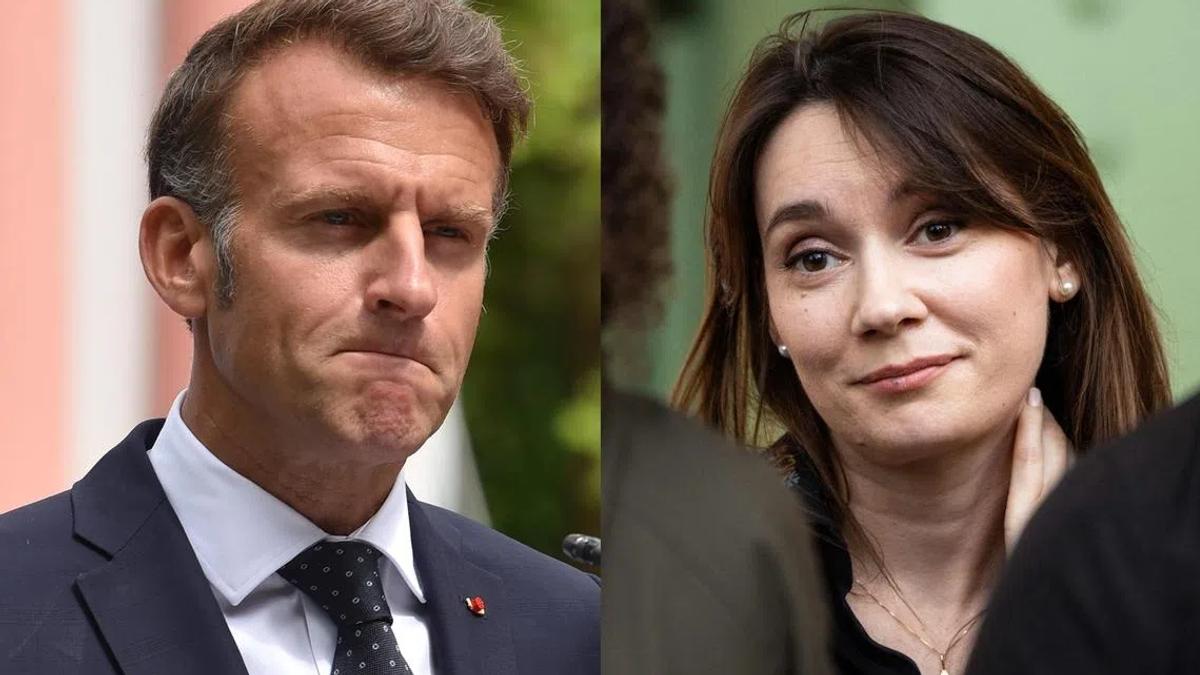
French President Emmanuel Macron has reignited a debate about foreign influence and freedom of speech by warning of Kremlin propaganda in French media. The controversy centers around Russian journalist Xenia Fedorova, who has been employed by French billionaire Vincent Bollore's media outlets, including the rolling news channel CNews.
Fedorova's ties to Bollore date back to her tenure as the head of the French arm of RT, Russia's state-run channel. RT was shut down in 2023, a year after Russian leader Vladimir Putin invaded Ukraine. Fedorova's subsequent employment by Bollore's media outlets has raised concerns about foreign influence and the spread of Kremlin propaganda.
The implications of Fedorova's pro-Kremlin stance are far-reaching. Her comments on Ukraine and the West have been echoed by other Kremlin-aligned media outlets, creating a narrative that undermines Western values and promotes Russian interests. This has significant regional implications, as it contributes to the erosion of trust in Western institutions and the spread of disinformation.
Macron's warning about Fedorova's activities suggests that the French government is taking a proactive approach to combating foreign influence. This is particularly significant given the upcoming 2027 presidential election in France. By highlighting the risks of Kremlin propaganda, Macron is likely seeking to reassure the French public and maintain a strong stance against Russian aggression.
The consequences of Fedorova's activities are uncertain, but they have the potential to be significant. If left unchecked, the spread of Kremlin propaganda could contribute to the further polarization of European societies and the erosion of trust in Western institutions. This could have long-term consequences for regional stability and global security.
Editor's Note: The analysis is based on publicly available information and does not contain any speculative or unsupported claims.
Source referenced: STRAITSTIMES
This brief was synthesized by our Editorial Engine and reviewed by The Ground Narrative team.