TRENDING

Sunday, 4 October 2026
----------------------
23 Rabi' Al-Thani 1448 AH
Recent attacks on LNG tankers in the Strait of Hormuz and the Mediterranean highlight the increasing vulnerability of global energy supply chains to geopolitical conflicts. These incidents underscore significant risks to maritime security, energy markets, and international stability.
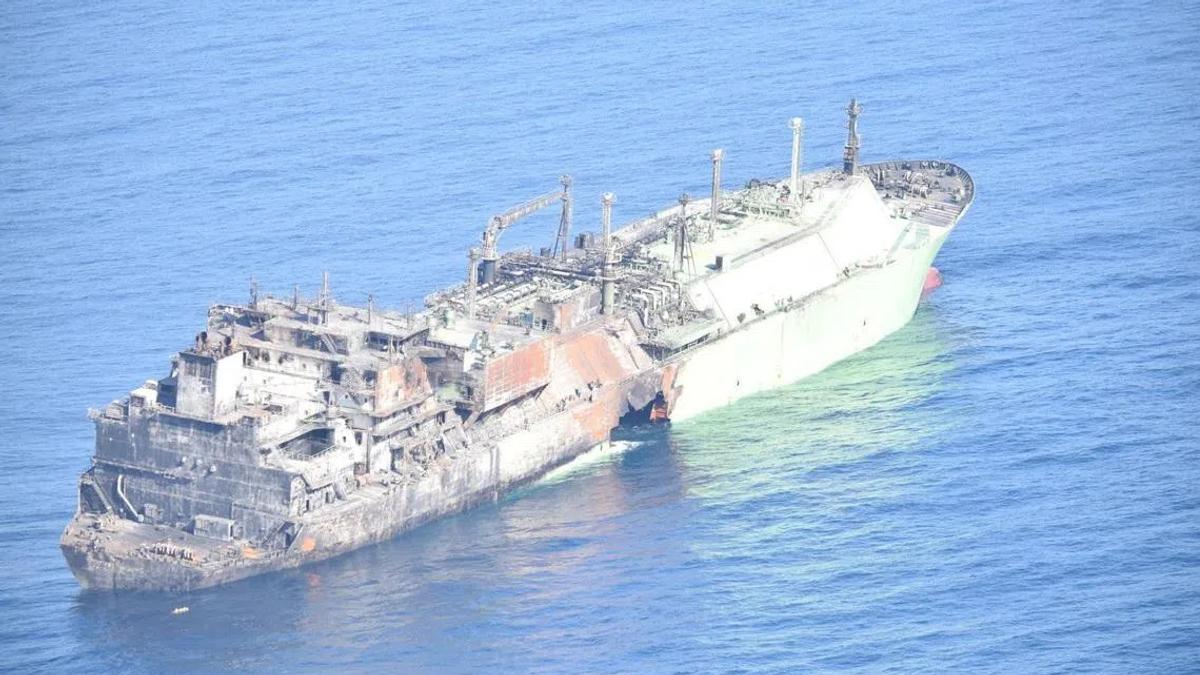
The recent attack on a Qatari liquefied natural gas (LNG) tanker in the Strait of Hormuz, coupled with a prior incident involving a Russian LNG vessel in the Mediterranean, underscores a significant and escalating threat to global energy supply chains and maritime security. These events highlight the vulnerability of critical energy infrastructure to geopolitical conflicts, raising concerns about potential disruptions to global markets and the broader implications for international stability. While the immediate risk of a catastrophic LNG cargo explosion remains low due to advanced safety protocols, the deliberate targeting of these vessels represents a dangerous new dimension in ongoing regional and international hostilities.
On July 8, 2026, the Qatari LNG tanker Al Rekayyat sustained significant damage following an attack on the Omani side of the Strait of Hormuz. The incident reportedly caused a fire in the vessel's engine room, leading to the safe evacuation of its crew and raising initial concerns about a potential explosion, though its LNG cargo tanks were not breached. This attack is particularly alarming given the Strait of Hormuz's critical role as a global energy chokepoint. Approximately one-fifth of the world's total oil consumption and a substantial portion of its LNG passes through this narrow waterway, making it strategically vital for global energy security.
The "belligerents in the Iran wars" are cited as a source of concern for targeting energy shipping vessels. While the specific perpetrators of the *Al Rekayyat* attack were not identified in the report, the region has long been a flashpoint for tensions, particularly involving Iran and its proxies. Previous incidents in the Gulf have seen commercial shipping targeted amidst broader geopolitical rivalries, often linked to nuclear negotiations, regional power struggles, and proxy conflicts. An attack in this strategic corridor, regardless of the specific actor, sends a clear message of intent to disrupt international trade and exert pressure, potentially impacting global energy prices and increasing insurance premiums for vessels transiting the area.
Adding to the concerns, the *Al Rekayyat* incident marks the second such attack on an LNG vessel this year. In March 2026, the Russian LNG tanker Arctic Metagaz caught fire in the Mediterranean Sea after being struck by Ukrainian naval drones. This event, confirmed by Russia's transport ministry, forced the crew to abandon ship. This incident illustrates the expanding scope of the conflict in Ukraine, where Kyiv has increasingly targeted Russian energy infrastructure and naval assets, including those far from the immediate front lines. The use of naval drones represents an evolving tactic in modern warfare, allowing for asymmetric attacks on high-value targets and demonstrating Ukraine's capacity to project power beyond its immediate borders.
The targeting of Russian energy assets serves multiple strategic objectives for Ukraine: to disrupt Russia's war economy, to reduce its capacity to fund military operations, and to create pressure points that might influence the course of the conflict. For Russia, such attacks underscore the vulnerability of its energy exports and maritime trade routes, potentially forcing a reallocation of resources towards naval protection and defensive measures.
Liquefied natural gas is natural gas cooled to approximately minus 162 degrees Celsius, reducing its volume by 600 times for efficient transport. It is stored in heavily insulated cryogenic tanks within specialized LNG carriers, which feature double hulls and multiple containment barriers. While LNG itself does not burn in its liquid form, risks arise if it leaks, warms into a gas, mixes with air, and finds an ignition source. The industry has an excellent safety record, with no catastrophic cargo-tank explosions on commercial LNG carriers at sea. Modern vessels are equipped with extensive safety systems, including gas detection, pressure-relief equipment, emergency shutdowns, and firefighting capabilities.
In the case of the *Al Rekayyat*, the fire was in the engine room, and there was no indication of a breach in the LNG tanks. Industry experts suggest that an engine room fire does not automatically lead to a cargo explosion, though the risk would increase if the fire spread to cargo systems or damaged containment tanks. This technical context is crucial for understanding the actual danger posed by these attacks versus the broader geopolitical implications.
These attacks carry significant geopolitical and economic implications:
* Energy Security: The incidents highlight the fragility of global energy supply chains. As Europe increasingly relies on LNG imports, particularly from Qatar and the United States, to diversify away from Russian pipeline gas, the security of LNG shipping lanes becomes paramount. Disruptions could lead to price volatility, supply shortages, and increased energy insecurity for importing nations.
* Maritime Security: The targeting of commercial vessels, especially in critical waterways like the Strait of Hormuz, poses a direct threat to the freedom of navigation and international trade. It may necessitate increased naval patrols by international coalitions, raising the potential for miscalculation or escalation in already tense regions.
* Economic Impact: Higher insurance premiums, increased security costs, and potential delays or rerouting of vessels will inevitably translate into higher costs for consumers globally. The uncertainty created by such attacks can also deter investment in energy infrastructure and shipping.
* Evolving Warfare: The use of naval drones by Ukraine against Russian shipping demonstrates a shift in warfare tactics, where non-state actors or smaller powers can inflict significant damage on larger adversaries' economic and military assets. This trend could inspire similar tactics in other conflict zones, further complicating maritime security.
* Regional Stability: The attack in the Strait of Hormuz exacerbates existing tensions in the Middle East, potentially drawing in more regional and international actors. The "Iran wars" context suggests a broader pattern of destabilization efforts that could have far-reaching consequences.
The attacks on the *Al Rekayyat* and *Arctic Metagaz* serve as stark reminders of the interconnectedness of global energy markets and the precarious state of maritime security in an era of heightened geopolitical conflict. While the immediate risk of a catastrophic LNG explosion remains low, the strategic implications of deliberately targeting these vessels are profound. They signal a willingness by belligerents to disrupt vital energy flows, challenge international norms of navigation, and escalate conflicts through economic warfare. As global powers grapple with these evolving threats, ensuring the safety of critical shipping lanes and safeguarding energy supply chains will remain a paramount challenge for international diplomacy and security efforts.
Source referenced: STRAITSTIMES
This brief was synthesized by our Editorial Engine and reviewed by The Ground Narrative team.