TRENDING

Monday, 5 October 2026
----------------------
24 Rabi' Al-Thani 1448 AH
A wildfire near Italy's Lake Garda forced 200 evacuations, highlighting the escalating human and economic costs of extreme weather in Europe's vital tourist regions.
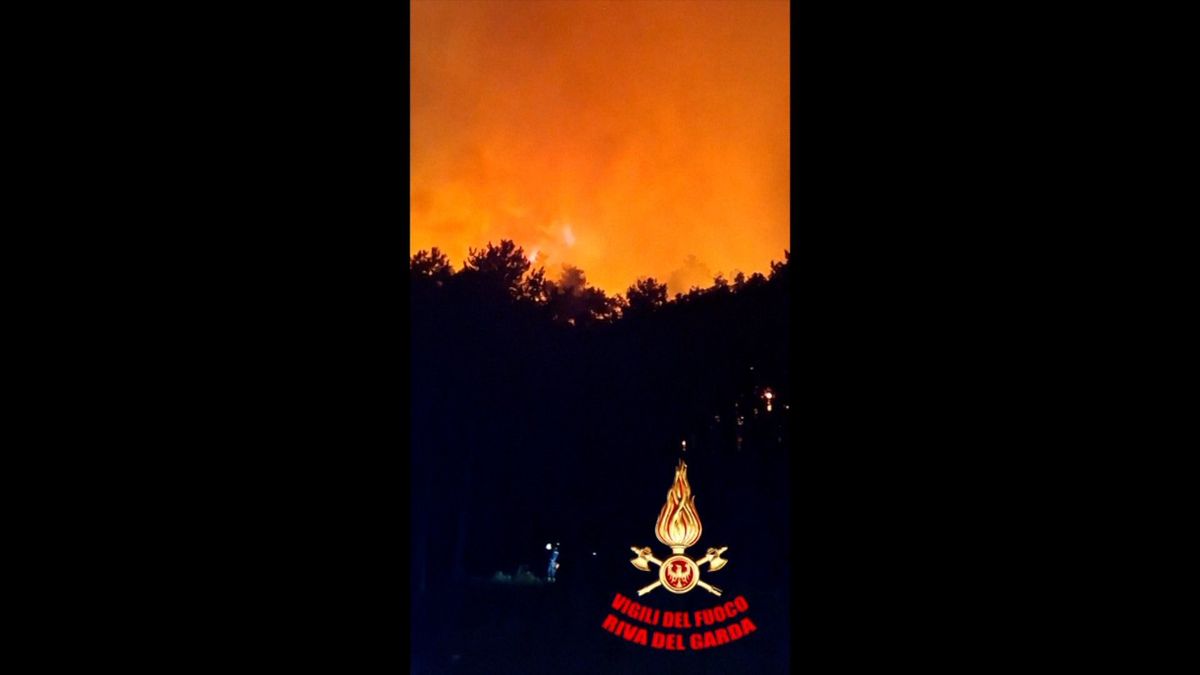
A wildfire erupted near Italy's Lake Garda, specifically in the municipality of Tignale on the western shore, leading to the evacuation of at least 200 people. Lake Garda, a cornerstone of Italy's tourism industry, saw emergency services responding to contain the blaze, disrupting a peak travel season in one of the country's most popular destinations.
The immediate event of a wildfire, while seemingly a natural disaster, is deeply intertwined with structural power dynamics. At its core, this incident reflects the global struggle to adapt to a rapidly changing climate, a challenge exacerbated by decades of policy decisions and economic priorities. European governments, including Italy's, are caught between the immediate economic imperative of maximizing tourism revenue and the long-term, costly investments required for climate resilience and disaster prevention. Local authorities, dependent on national and regional budgets, often lack the autonomous power or resources to implement comprehensive fire prevention strategies, such as extensive forest management, firebreak creation, or advanced early warning systems. The allocation of funds often favors reactive measures and economic development over proactive environmental protection, a choice influenced by political cycles and the perceived urgency of economic growth.
The most immediate human cost falls upon the 200 individuals forced to evacuate, facing uncertainty, potential loss of property, and the psychological stress of displacement. Beyond them, the entire community surrounding Lake Garda, from small business owners running hotels, restaurants, and shops to seasonal workers, bears a significant burden. Their livelihoods are directly tied to the region's appeal as a tourist destination. A single wildfire, especially during peak season, can devastate annual incomes, leading to job losses and economic instability in an already fragile post-pandemic global economy. The environmental cost, though less immediately visible, impacts local ecosystems, biodiversity, and the very natural beauty that draws tourists, creating a vicious cycle where the region's primary economic asset is slowly eroded by unchecked environmental pressures.
While official statements will rightly focus on the swift response of emergency services and the safety of evacuees, what often remains unsaid is the systemic failure to adequately address the root causes of such escalating events. Governments and powerful tourism lobbies frequently downplay the direct, undeniable link between these increasingly frequent and intense wildfires and the broader climate crisis. The narrative tends to frame these as isolated 'natural disasters' rather than predictable consequences of inadequate climate action and insufficient investment in adaptation. What's also omitted is the long-term economic vulnerability of regions heavily reliant on a single industry like tourism, especially when that industry is directly threatened by the very environmental changes it often contributes to through high-volume travel and resource consumption. The conversation rarely shifts to accountability for the slow pace of climate policy implementation or the lack of proactive, rather than reactive, disaster preparedness.
Moving forward, observers should watch not just the immediate recovery efforts, but also the policy responses that follow. Will this incident, and others like it across southern Europe, spur greater investment in climate adaptation and fire prevention infrastructure at both national and EU levels? Pay attention to how local communities, particularly those dependent on tourism, begin to advocate for more resilient economic models that diversify away from singular industries or incorporate robust climate-proofing measures. Finally, observe the broader tourism trends: will repeated climate-related disruptions begin to shift tourist preferences away from vulnerable Mediterranean destinations, forcing a reckoning for regions that have long relied on their natural appeal without fully protecting it?
Source referenced: ALJAZEERA
This brief was synthesized by our Editorial Engine and reviewed by The Ground Narrative team.


