TRENDING

Friday, 16 October 2026
----------------------
5 Jumada Al-Awwal 1448 AH
Kosovo's upcoming general election on June 7 marks the third time in 16 months that the country will go to the polls, highlighting the deepening political polarization and institutional crisis in the region.
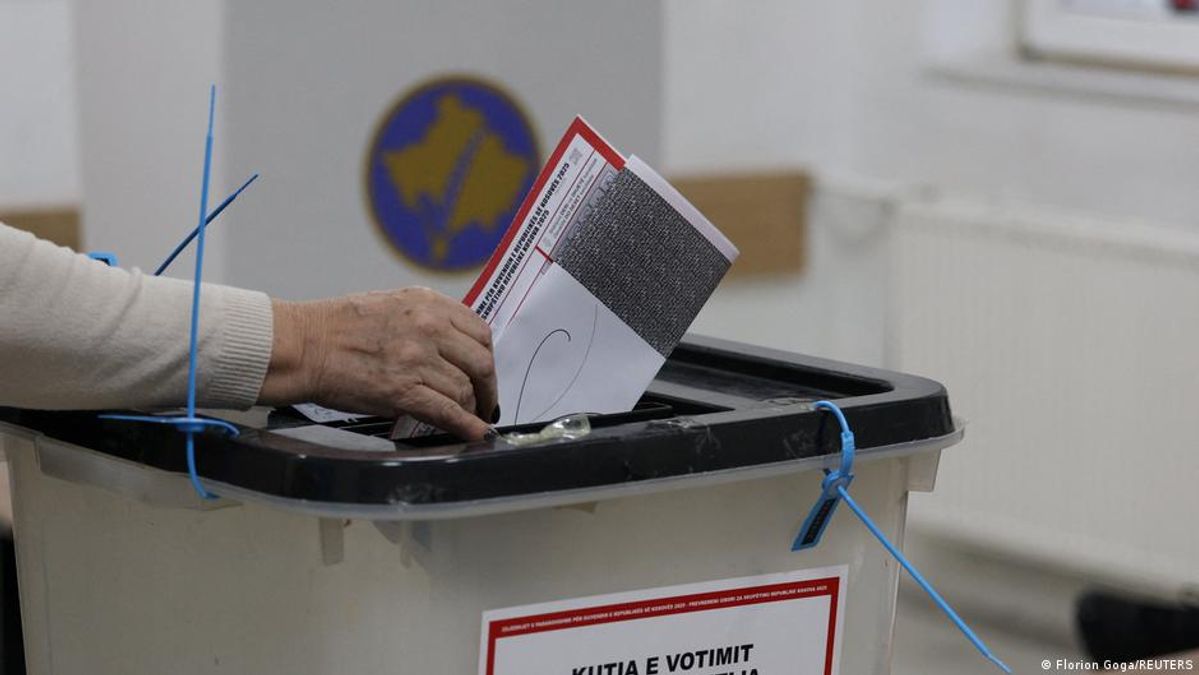
Kosovo's upcoming general election on June 7 marks the third time in 16 months that the country will go to the polls, highlighting the deepening political polarization and institutional crisis in the region. The current election campaign is marked by the disintegration of the alliance between Prime Minister Albin Kurti and former President Vjosa Osmani, which has led to a stalemate in parliament and a lack of institutional compromise.
The alliance between Kurti and Osmani, which was seen as a motor for change and the fight against corruption in Kosovo, has disintegrated due to ideological differences and personal ambitions. Osmani's decision to run for parliament as a candidate for the Democratic League of Kosovo (LDK) has created a new political imbalance, with Kurti's Vetevendosje party holding a significant advantage over the opposition parties.
The consequences of the current situation are not limited to domestic politics. Relations between Kurti's government and Western partners have been difficult in recent years, particularly due to tensions in northern Kosovo, where over 90% of the population are Kosovo Serbs. The Kurti government's unilateral steps in the region have led to punitive measures from the EU and a noticeable cooling of relations with some of its allies.
Kosovo's European integration depends on the success of dialogue with Serbia to improve both bilateral relations and the lives of citizens in both countries. However, the deadlock in the dialogue with Serbia, which was mediated by the EU, cannot be understood without taking into account Serbia's aggressive approach and expansionist goals. The EU's neutrality in the process of normalization between the two neighbors has not been a success.
The election campaign has also seen the hardening of political language, with politicians using polarizing and divisive rhetoric to gain support. This shift toward harsher language has serious consequences for society, dividing it on issues that are not very political, such as the economy, security, and education policies.
Analysts agree that despite the parties' promises of economic development, wage increases, or strategic investment, a key question in this election campaign is still whether Kosovo's politicians are ready to build the culture of compromise they currently lack. More importantly, the election needs to give Kosovo a political elite capable of governing, cooperating, and returning the country to the path of reform, dialogue, and European integration.
Kosovo's endless cycle of elections is a threat to stability and EU integration. The country needs a political elite that can build institutional compromise, cooperate with Western partners, and move forward with European integration. The upcoming election is a critical moment for Kosovo, and the outcome will have significant implications for the country's future.
Editor's Note: The analysis is based on the current information available and may be subject to change as new developments emerge.
Source referenced: DW
This brief was synthesized by our Editorial Engine and reviewed by The Ground Narrative team.