TRENDING

Saturday, 17 October 2026
----------------------
6 Jumada Al-Awwal 1448 AH
Recent Israeli strikes in Southern Lebanon have severely damaged Jabal Aamel Hospital in Tyre, rendering critical medical facilities inoperable and endangering vulnerable patients. This incident underscores the escalating cross-border conflict between Israel and Hezbollah, highlighting significant humanitarian and geopolitical implications for regional stability.
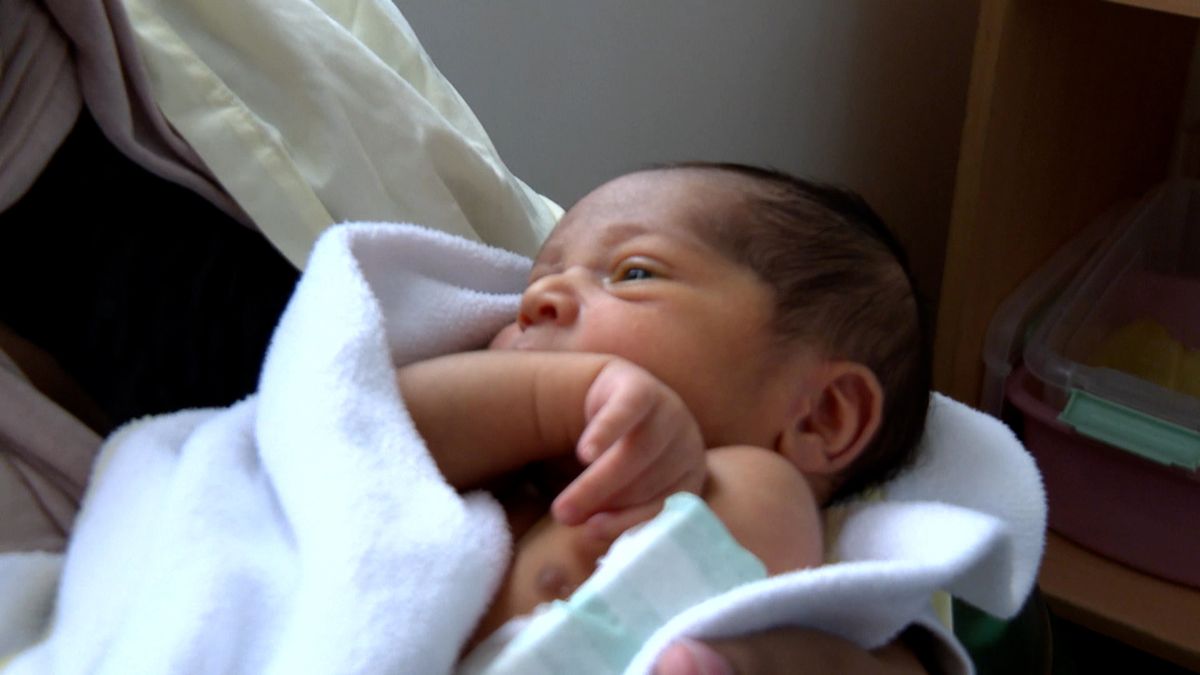
On Monday, June 3, 2026, Israeli military operations in Southern Lebanon resulted in significant damage to the Jabal Aamel Hospital in Tyre. The strikes, which reportedly leveled nearby buildings, caused extensive structural harm to the medical facility, rendering key departments inoperable and placing the lives of its most vulnerable patients, including infants, at severe risk. This incident marks a critical development in the ongoing, low-intensity conflict between Israel and Hezbollah, drawing renewed attention to the humanitarian toll and geopolitical complexities of the region.
The city of Tyre, a historically significant port city in Southern Lebanon, lies within a region frequently impacted by the protracted conflict between Israel and Hezbollah. Israeli forces routinely conduct operations in this area, asserting their intent to target Hezbollah's military infrastructure, operatives, and weapon caches, which they claim are often embedded within or near civilian areas. While the specific target of the recent strikes near Jabal Aamel Hospital was not explicitly detailed in initial reports, the proximity of the damage to a civilian medical facility raises serious questions about targeting protocols and the broader implications for non-combatants.
Hezbollah, a powerful Shiite political party and militant group, maintains a substantial presence in Southern Lebanon. Its strategic positioning and operational activities are a primary concern for Israel's northern security. The ongoing exchanges of fire, drone incursions, and missile launches across the Blue Line — the demarcation line between Lebanon and Israel — are manifestations of a deep-seated rivalry that frequently threatens to escalate into a wider regional conflagration. These latest strikes near Tyre are consistent with a pattern of tit-for-tat engagements that have characterized the conflict for decades, albeit with varying degrees of intensity.
The damage inflicted upon Jabal Aamel Hospital carries profound humanitarian consequences. Hospitals and medical personnel are afforded special protection under international humanitarian law (IHL), specifically the Geneva Conventions, which prohibit attacks on medical facilities unless they are being used for military purposes and all feasible precautions have been taken to avoid civilian harm. The incapacitation of a major hospital in Southern Lebanon severely curtails access to essential healthcare services for the local population, exacerbating an already fragile humanitarian situation in a region frequently affected by conflict and economic hardship. The risk to the youngest patients underscores the indiscriminate nature of conflict when civilian infrastructure is impacted.
International bodies and humanitarian organizations are likely to scrutinize this incident closely, potentially calling for investigations into adherence to IHL. Such events often trigger diplomatic pressure on all parties to the conflict to uphold their obligations to protect civilians and civilian infrastructure, particularly medical facilities. The long-term impact on public health infrastructure in Southern Lebanon could be devastating, leading to increased morbidity and mortality rates among a population already under immense stress.
This incident further destabilizes an already volatile Middle East. The continuous cycle of strikes and retaliations between Israel and Hezbollah risks drawing in other regional actors and potentially escalating into a full-scale war, which would have catastrophic consequences for Lebanon, Israel, and the broader region. The international community has consistently called for de-escalation and a diplomatic resolution to the underlying tensions, but such calls have largely gone unheeded amidst the persistent hostilities.
The damage to a civilian hospital also fuels anti-Israeli sentiment within Lebanon and across the Arab world, potentially bolstering support for Hezbollah and complicating any future peace efforts. For Israel, the strikes are framed as necessary defensive actions against a persistent threat. However, the collateral damage to civilian infrastructure, particularly medical facilities, carries significant reputational costs and can undermine international support for its security operations. The incident underscores the urgent need for robust mechanisms to protect civilians and ensure adherence to international law in conflict zones, preventing further humanitarian catastrophes and fostering conditions for a more stable future in Southern Lebanon.
Source referenced: ALJAZEERA
This brief was synthesized by our Editorial Engine and reviewed by The Ground Narrative team.