TRENDING

Sunday, 25 October 2026
----------------------
14 Jumada Al-Awwal 1448 AH
A recent shooting attack in central Israel, resulting in one fatality and multiple injuries, has been designated a suspected terror incident by Israeli authorities. The event, occurring near the occupied West Bank, highlights ongoing security challenges and the volatile nature of the Israeli-Palestinian conflict.
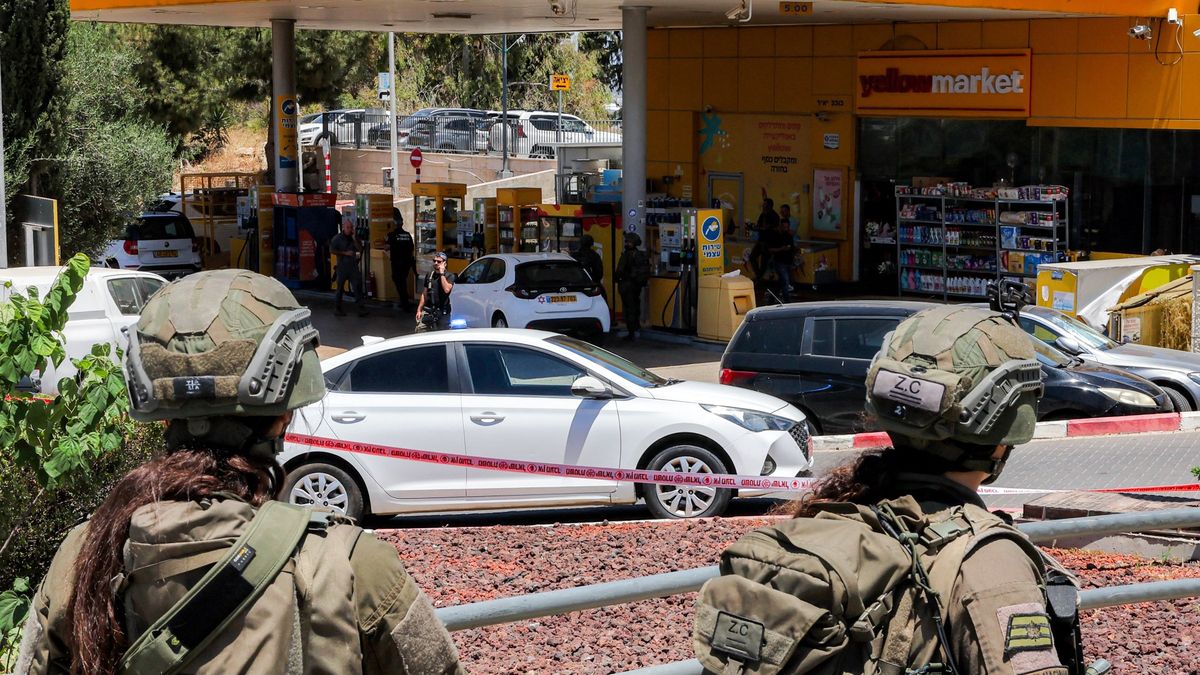
On Sunday, June 7, 2026, a shooting incident in central Israel resulted in the death of one 35-year-old man and injuries to five others, two of whom are in serious condition. Israeli medics from Magen David Adom responded to reports of gunfire at a gas station at the entrance to the Kochav Yair area, close to the occupied West Bank city of Qalqilya. The attacker reportedly continued a shooting spree into the nearby towns of Tzur Yitzhak and Tzur Natan before Israeli police forces, border guard soldiers, and special units intervened. Following a manhunt, Israeli police confirmed they had located and killed the suspected gunman, identified as a Palestinian with Israeli citizenship from the nearby Israeli city of Tayibe. The weapon used in the attack was also recovered.
This incident occurs amidst a backdrop of heightened tensions and a persistent cycle of violence in the Israeli-Palestinian conflict. While the immediate motivations of the individual attacker remain unconfirmed by the article, Israeli authorities swiftly labeled it a "suspected terror attack." The location of the attack, in central Israel but in close proximity to the occupied West Bank, underscores the interconnectedness of security dynamics across the region. The fluidity of movement and the demographic realities near the Green Line often mean that events in one area can quickly reverberate in others.
Adding to the complex geopolitical landscape, the Palestinian militant group Hamas commended the attack, describing it as a "heroic" operation. While Hamas did not claim direct responsibility, its endorsement signals ideological support for such actions, contributing to a narrative of resistance that can further fuel instability. This commendation also places the incident within the broader context of the ongoing conflict, where various Palestinian factions often praise attacks against Israeli targets, regardless of direct involvement.
The identity of the suspected gunman—a Palestinian holding Israeli citizenship—introduces a significant internal security dimension. Attacks perpetrated by citizens from within Israel's Arab community, while not unprecedented, raise particular concerns for Israeli authorities regarding potential radicalization and internal threats. In response to the attack, the Israeli internal security agency and police reportedly launched a raid campaign in Tayibe, the suspect's hometown, and imposed security cordons on several neighboring Arab villages. Such measures, while aimed at preventing further incidents and apprehending potential accomplices, can also exacerbate tensions within Israel's Arab communities.
Israeli Prime Minister Benjamin Netanyahu's office promptly announced a situational assessment following the shooting. This high-level response indicates the gravity with which the Israeli government views such security breaches and suggests the potential for a robust and multi-faceted security response. Historically, similar incidents have often led to increased security operations in the West Bank, stricter checkpoints, and intensified intelligence gathering, all of which can have significant implications for Palestinian residents.
The attack serves as a stark reminder of the enduring challenges to peace and security in the Middle East. It highlights the deep-seated grievances and the continuous cycle of violence that characterizes the Israeli-Palestinian conflict. The incident's timing, alongside reports of Israeli attacks in Gaza and Lebanon, underscores a broader regional volatility that extends beyond the immediate Israeli-Palestinian arena. The interconnectedness of these conflicts means that an escalation in one area can quickly impact others, creating a complex web of security challenges for all actors involved.
Moving forward, the incident is likely to reinforce hardline security postures within Israel and could complicate any nascent diplomatic efforts. The focus will remain on preventing future attacks, which may involve increased surveillance, intelligence operations, and potentially more assertive military actions. For the Palestinian population, such events often lead to heightened restrictions and collective punishment, further entrenching the cycle of conflict. The international community will likely continue to call for de-escalation, but the immediate aftermath will be dominated by security concerns and the potential for retaliatory actions, maintaining the region's precarious state of instability.
Source referenced: ALJAZEERA
This brief was synthesized by our Editorial Engine and reviewed by The Ground Narrative team.