TRENDING

Sunday, 18 October 2026
----------------------
7 Jumada Al-Awwal 1448 AH
The Israeli military's demolition of a Palestinian home in Masafer Yatta, West Bank, despite a recent court order protecting it, highlights escalating tensions and the complex legal landscape in occupied territories. This action raises significant questions about the rule of law, international obligations, and the future of Palestinian communities in strategically sensitive areas.
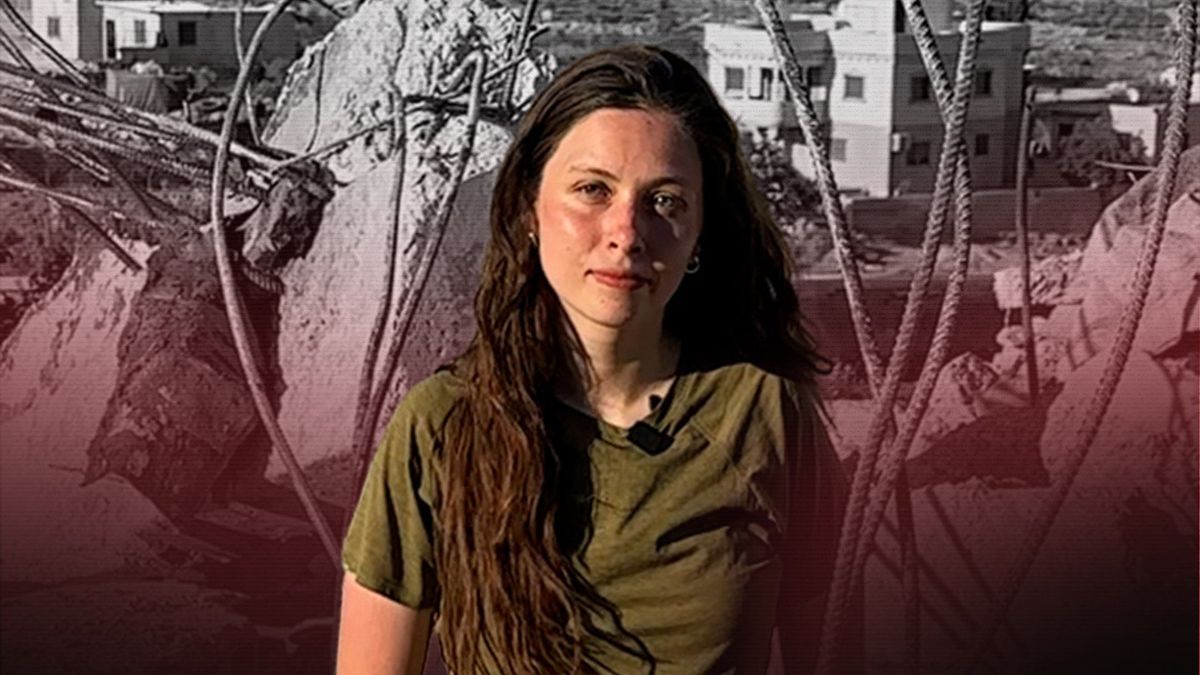
On July 19, 2026, the Israeli military demolished a Palestinian home in Masafer Yatta, located in the occupied West Bank. This action occurred just days after a lawyer confirmed a court order had been issued to protect the structure from demolition. The home, built in 2016 through Israel’s own permit process, housed two Palestinian families, including eight children, who are now displaced.
Masafer Yatta, a collection of small Palestinian hamlets in the southern Hebron Hills, has long been a focal point of the Israeli-Palestinian conflict. The area falls within what Israel has designated as 'Firing Zone 918,' a military training zone. For decades, its Palestinian residents, many of whom have lived there for generations, have faced persistent threats of displacement and demolition. Israeli authorities argue that the residents are illegal squatters in a military zone, while Palestinians and international human rights organizations contend that their presence predates the firing zone declaration and that their displacement constitutes a violation of international law. The Israeli Supreme Court has previously ruled in favor of the state, allowing for the eviction of thousands of Palestinians from the area, though specific cases often involve complex legal challenges and temporary injunctions.
The demolition of a home that reportedly held a recent court order protecting it, and was initially built with an Israeli permit, introduces a significant legal contradiction. Such actions undermine the credibility of the Israeli legal system in the eyes of Palestinians and the international community. Under international humanitarian law, specifically the Fourth Geneva Convention, an occupying power is prohibited from destroying property in occupied territory unless absolutely necessitated by military operations. Furthermore, the forced transfer of protected persons is forbidden. While Israel disputes the applicability of the Fourth Geneva Convention to the West Bank, the international community largely considers the territory occupied and the convention applicable.
This particular incident highlights a broader pattern where Palestinian construction in Area C of the West Bank—which is under full Israeli civil and security control—is frequently deemed illegal by Israeli authorities, even as permits are rarely granted to Palestinians. Conversely, Israeli settlement construction in the same area often proceeds with state support, a disparity that critics argue constitutes a dual legal system designed to expand Israeli control and diminish Palestinian presence.
The immediate consequence of the demolition is the displacement of two families and eight children, exacerbating humanitarian concerns in an already vulnerable region. Such actions contribute to a climate of insecurity and despair among Palestinian communities, potentially fueling resentment and increasing the risk of unrest. From a geopolitical perspective, these demolitions are not isolated incidents but rather components of a broader strategy that impacts regional stability. They are perceived by many as part of an effort to alter the demographic and geographic realities on the ground, making a future two-state solution increasingly difficult to achieve.
Israel's strategic motivations for actions in Masafer Yatta are multifaceted. They include asserting sovereignty over Area C, ensuring security control, and potentially creating territorial contiguity for existing or future Israeli settlements. By consolidating control over key areas, Israel aims to strengthen its strategic depth and maintain a security buffer. However, these actions often come at a significant diplomatic cost, drawing condemnation from international bodies and allied nations, further complicating peace efforts.
Looking ahead, the demolition in Masafer Yatta is likely to intensify calls for international intervention and scrutiny. It underscores the ongoing struggle over land and resources in the West Bank and the profound challenges to establishing a viable Palestinian state. The incident serves as a stark reminder of the complex interplay between legal frameworks, military actions, and the daily lives of civilians in one of the world's most contested regions, with long-term implications for regional stability and the prospects of a lasting resolution to the Israeli-Palestinian conflict.
Source referenced: ALJAZEERA
This brief was synthesized by our Editorial Engine and reviewed by The Ground Narrative team.


