TRENDING

Wednesday, 14 October 2026
----------------------
3 Jumada Al-Awwal 1448 AH
Iran has successfully evaded a US blockade by exporting 7 million barrels of oil through the Strait of Hormuz, marking a significant challenge to Washington's efforts to restrict Tehran's oil exports.
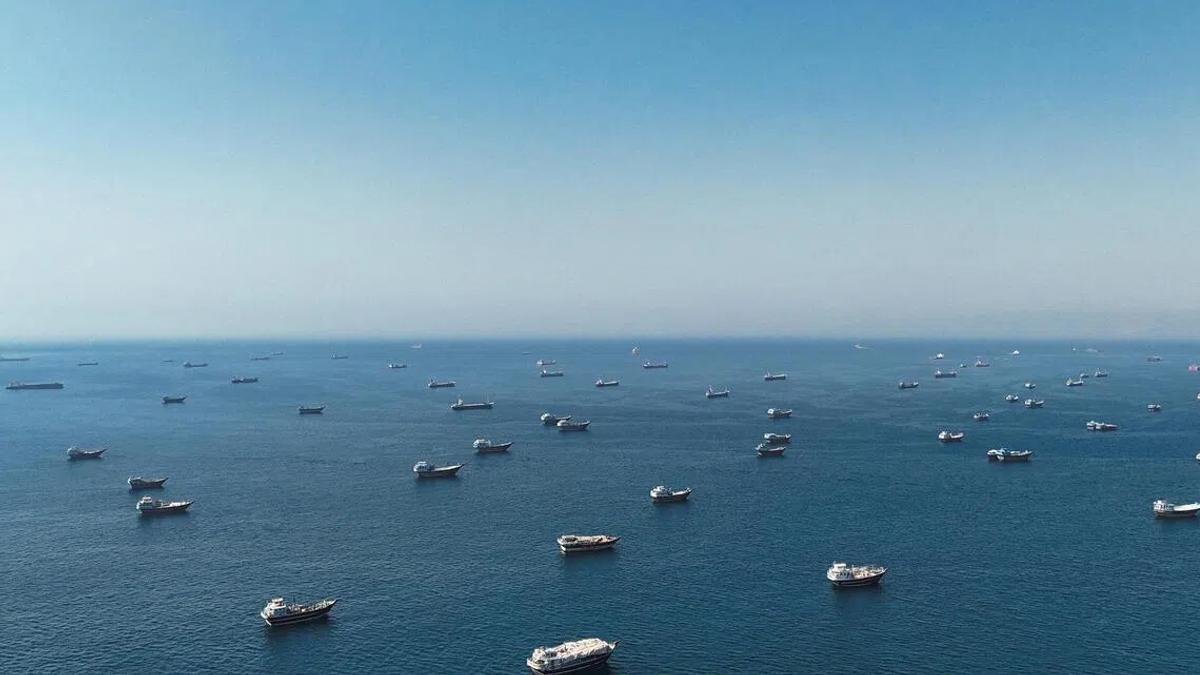
Iran's ability to export 7 million barrels of oil through the Strait of Hormuz, despite a US blockade, is a significant development in the ongoing conflict between the two nations. The successful passage of four Iranian-flagged oil tankers on June 1, carrying a total of seven million barrels of oil, marks a major challenge to Washington's efforts to restrict Tehran's oil exports.
Iran's decision to adopt a ship-to-ship transfer practice to circumvent international sanctions has been a long-standing strategy. This practice involves transferring oil cargo at sea to other tankers, which then deliver it to the final customer, often in China. By using this method, Iran has been able to continue exporting oil despite international sanctions.
The successful export of oil through the Strait of Hormuz has significant regional implications. The Strait is a critical waterway for global oil trade, and any disruptions to its flow can have far-reaching consequences for the global economy. Iran's ability to continue exporting oil through the Strait sends a strong message to the international community that Tehran is determined to maintain its oil exports, despite US efforts to restrict them.
The successful export of oil through the Strait of Hormuz matters for several reasons. Firstly, it highlights the limitations of the US blockade, which has been unable to prevent Iran from exporting oil. Secondly, it demonstrates Iran's ability to adapt and evolve its strategies to evade international sanctions. Finally, it has significant implications for the global economy, as any disruptions to the flow of oil through the Strait can have far-reaching consequences.
The US has been actively involved in enforcing the blockade, with the military regularly announcing actions against oil tankers attempting to violate the blockade. The recent announcement that the US had disabled an oil tanker by firing on its engine room to prevent it from reaching Kharg Island is a clear indication of the US's determination to enforce the blockade. However, the successful export of oil through the Strait of Hormuz suggests that the blockade may not be as effective as Washington had hoped.
Iran's ability to export 7 million barrels of oil through the Strait of Hormuz, despite a US blockade, is a significant development in the ongoing conflict between the two nations. The successful passage of four Iranian-flagged oil tankers marks a major challenge to Washington's efforts to restrict Tehran's oil exports. The implications of this development are far-reaching, and it remains to be seen how the US will respond to this challenge.
Editor's Note: The analysis is based on publicly available information and does not contain any speculative or uncertain aspects.
Source referenced: STRAITSTIMES
This brief was synthesized by our Editorial Engine and reviewed by The Ground Narrative team.