TRENDING

Friday, 18 September 2026
----------------------
7 Rabi' Al-Thani 1448 AH
Hungary’s new government has shut down the propaganda‑laden public broadcaster and pledged a transparent overhaul. The move tests whether a former autocrat’s media empire can be dismantled without spawning a new power grab.
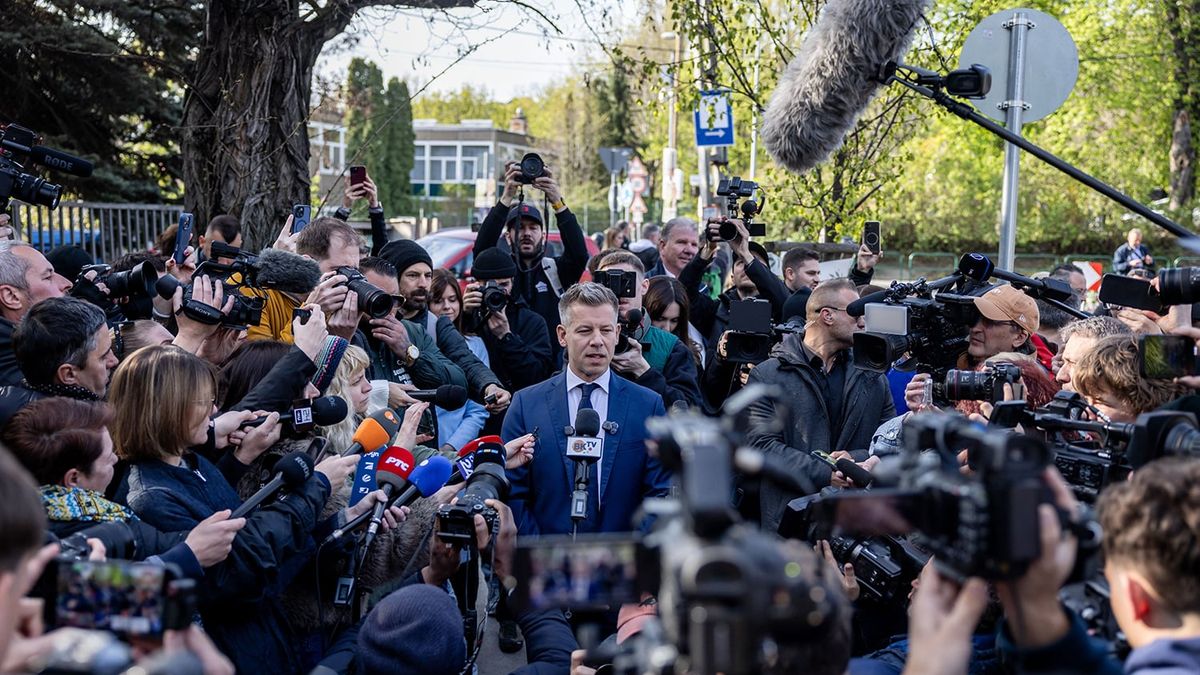
In April 2026, political newcomer Peter Magyar led the Tisza party to a two‑thirds parliamentary majority, unseating Viktor Orban after 16 years of rule. Within weeks the new administration ordered the immediate shutdown of MTVA, the state‑run media conglomerate that had aired daily war‑propaganda shows such as *Horrors of War*. A stark on‑screen apology announced a temporary suspension of news services and promised a non‑partisan, independent public broadcaster.
Under Orban, the media law of 2010 merged radio, TV and the state news agency into MTVA, then placed it under the National Media and Communications Authority (NMHH), whose members were hand‑picked by the ruling Fidesz party. This structure turned public funding into a lever of political survival: loyal journalists kept the narrative, while dissenting staff were dismissed or forced into silence. The regime also funneled state advertising to pro‑government outlets, starving independent voices.
Magyar’s reform targets three structural pillars:
1. Governance – a non‑partisan supervisory board replaces the NMHH, with members selected through a transparent parliamentary committee rather than party appointment.
2. Funding – a mixed model that ties a baseline budget to audience reach and public service criteria, limiting discretionary cash that can be weaponised.
3. Editorial Independence – the creation of an autonomous news agency insulated from ministerial directives.
These changes aim to break the feedback loop that allowed the state broadcaster to amplify Orban’s anti‑immigration, pro‑Russia stance while shielding the regime from scrutiny.
The human cost of the former propaganda machine is visible in the lives of journalists, freelancers and ordinary viewers. Reporters who refused to toe the party line faced surveillance, threats and, in many cases, unemployment. One former MTVA correspondent now works in retail after being black‑listed, while a generation of investigative reporters left Hungary for exile, draining the country of critical expertise.
For the audience, the daily barrage of staged war imagery cultivated a climate of fear and mistrust, shaping public opinion on Ukraine and on immigration policy. Rural communities, already vulnerable to economic stagnation, internalised the message that external threats justified the erosion of democratic norms. The abrupt shutdown leaves many without any reliable news source, exposing them to a vacuum that could be filled by online echo chambers or foreign disinformation.
Official statements celebrate the “apology” and the promise of independence, but they downplay the entrenched patronage networks that still control advertising contracts, production studios and distribution infrastructure. Many of the former MTVA executives retain stakes in private media firms that benefited from the previous regime’s ad allocations. Moreover, the new supervisory board, while formally non‑partisan, is populated by former civil‑service officials appointed by the Tisza majority, raising questions about how quickly old loyalties might re‑emerge.
International donors and EU watchdogs are praising the reform, yet they rarely address the broader media market concentration: over 80 % of Hungary’s commercial TV and radio remain owned by a handful of oligarchs with close ties to the previous government. Without a parallel antitrust push, the public broadcaster could become a well‑funded but still politically convenient platform for a new elite.
Watch for three developments over the coming months:
1. Implementation of the supervisory board – how members are vetted and whether any former Fidesz appointees retain influence.
2. Funding allocations – the EU’s media‑pluralism mechanisms may intervene if state advertising continues to favor loyalist outlets.
3. Legal challenges – former media owners are likely to file lawsuits contesting the dissolution of MTVA, potentially dragging the reform into the courts and delaying the launch of an independent service.
If Magyar’s team can institutionalise transparent hiring, protect journalists from political retaliation, and diversify the commercial media landscape, Hungary could become a rare example of a post‑authoritarian media reset. Failure to do so would risk swapping one propaganda apparatus for another, leaving the public still in the dark while power continues to operate behind the screen.
Editor's Note: Analysis based on publicly available reports and statements up to September 2026.
Source referenced: FOREIGNPOLICY
This brief was synthesized by our Editorial Engine and reviewed by The Ground Narrative team.


