TRENDING

Sunday, 11 October 2026
----------------------
30 Rabi' Al-Thani 1448 AH
The United States has launched a new wave of strikes against Iran, following Iranian attacks on commercial shipping in the Strait of Hormuz and targeting of Gulf allies. This escalation undermines an interim peace agreement and has sent global oil prices surging, highlighting the critical geopolitical and economic stakes in the region.
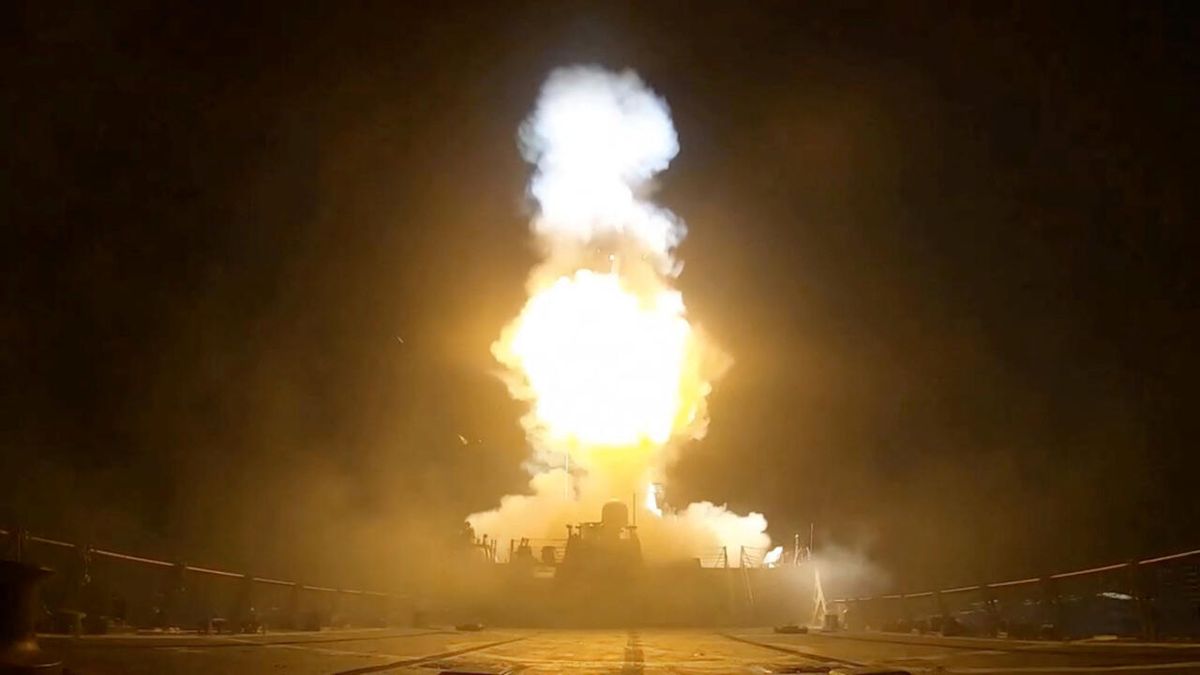
In a significant escalation of the ongoing conflict, the United States military, through its Central Command (CENTCOM), initiated a new series of strikes against Iran on July 11-13, 2026. This action marks the third round of US attacks within a week, with approximately 140 strikes reported the previous night, following renewed fighting over the strategically vital Strait of Hormuz. The latest US military operations commenced at 2100 GMT on Sunday, targeting Iranian positions after a period of heightened aggression from Tehran.
The immediate catalyst for the US response was an Iranian attack on a commercial ship in the Strait of Hormuz, which forced its crew to abandon the vessel after it caught fire. Concurrently, several of Washington's Gulf allies, including Kuwait, reported being targeted by incoming fire. Kuwait specifically cited attacks on its border posts and an offshore oil platform, indicating a broader regional destabilization. Iran, for its part, reported strikes on two of its southern islands, including Qeshm, located within the Strait of Hormuz.
This latest flare-up critically undermines an interim agreement between Washington and Tehran, which had aimed to de-escalate their conflict. The broader 'war' between the two nations, which began in late February 2026, has already generated significant global economic shockwaves. The resumption of overt hostilities, despite diplomatic efforts, signals a profound failure of the interim accord and a return to direct military confrontation. President Donald Trump affirmed the US stance, stating that the United States had 'hit Iran hard' in direct response to its recent aggressions in the Strait of Hormuz.
The Strait of Hormuz remains a pivotal chokepoint for global energy supplies, with approximately one-fifth of the world's oil passing through its narrow waters daily. Iran's actions, including the attack on a commercial vessel and its claim to have closed the Strait—a claim swiftly refuted by the US military, which insisted on continued freedom of navigation—underscore its capacity and willingness to disrupt international shipping and global trade. For the United States and its allies, ensuring the unimpeded flow of commerce through the Strait is a core strategic objective, vital for global economic stability and energy security. Any threat to this passage is perceived as a direct challenge to international maritime law and a significant geopolitical provocation.
The targeting of Gulf states, particularly Kuwaiti infrastructure, broadens the scope of the conflict beyond direct US-Iran confrontations. It implicates regional allies and raises concerns about wider instability, potentially drawing more actors into the escalating tensions. Such attacks not only threaten critical energy infrastructure but also exacerbate regional security dilemmas, compelling Gulf nations to bolster their defenses and potentially seek stronger security guarantees from their international partners.
The economic repercussions of this escalation were immediate and pronounced. Global oil prices, which had seen a decline following the announcement of the interim agreement, surged by over 3.5 percent as futures trading opened on Monday in Tokyo. The US benchmark, West Texas Intermediate (WTI), jumped above $74 a barrel, reflecting market anxieties over potential disruptions to oil supplies from the Middle East. This volatility highlights the direct link between geopolitical instability in the Persian Gulf and global economic health, particularly concerning energy markets.
This renewed military engagement signifies a dangerous phase in US-Iran relations, characterized by a breakdown of diplomatic channels and an increased reliance on military force. The description of the conflict as a 'war' by the article's source indicates a shift in the perceived severity and scope of the hostilities. The strategic motivations behind Iran's actions—disrupting oil flow, pressuring the US and its allies, or demonstrating its regional power projection capabilities—are likely multifaceted. Conversely, the US response underscores its commitment to protecting its allies, safeguarding international shipping lanes, and deterring further Iranian aggression.
The trajectory of this conflict remains highly uncertain. The failure of the interim agreement suggests that a diplomatic resolution is currently elusive, increasing the risk of further escalation. The international community faces the challenge of preventing a full-scale regional war that could have catastrophic humanitarian, economic, and geopolitical consequences. The ongoing events in the Strait of Hormuz represent a critical juncture, demanding close monitoring and concerted international efforts to de-escalate tensions and prevent a wider conflagration.
Source referenced: FRANCE24
This brief was synthesized by our Editorial Engine and reviewed by The Ground Narrative team.