TRENDING

Tuesday, 20 October 2026
----------------------
9 Jumada Al-Awwal 1448 AH
Khalil al-Hayya's narrow victory as Hamas's new leader highlights the movement's deep divisions and its increasingly consequential relationship with Iran.
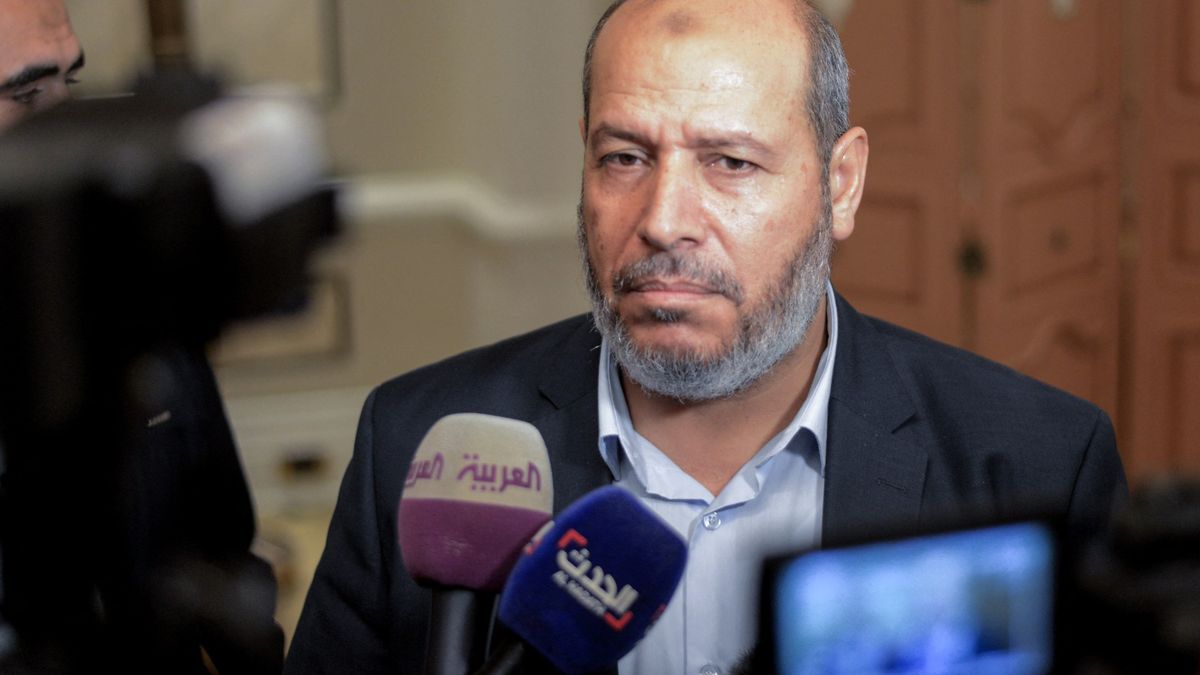
The recent election of Khalil al-Hayya as the new head of Hamas has sparked intense debate within the movement. Al-Hayya's narrow victory, secured by a single vote, has been interpreted by some as a victory for the pro-Iran camp. However, the closeness of the result also demonstrates that Hamas remains deeply divided.
Hamas was established in December 1987 as the Islamic Resistance Movement, with its leadership structure initially based in Gaza. However, the movement's leadership was disrupted by Israeli repression, and a transfer of leadership from Gaza to the diaspora began. This shift marked the beginning of a complex relationship between Hamas and its external support apparatus, which has played a crucial role in rebuilding the movement.
Iran's influence over Hamas has grown significantly since the early 1990s, with the Islamic Republic seeking to turn Hamas into a proxy similar to Hezbollah. Despite accepting Iranian financial and military assistance, Hamas has maintained a degree of independence, particularly during the Meshaal era. However, the Arab Spring rupture tested this relationship, and Hamas's decision to leave Damascus for Doha marked a significant shift in its regional alignment.
The departure from Damascus coincided with the end of Meshaal's second term as head of the political bureau, and a campaign was mounted to amend the rules and allow him to stand for a third term. The decision produced a serious internal crisis and opened a rift between competing leadership currents that continued to deepen in the years that followed. Today, Hamas is divided between a pro-Iran current and an anti-Iran current, with the latter led by Meshaal.
Al-Hayya's greatest challenge will be to work with his comrades to repair the internal rift, reunite the movement's competing currents, and preserve the clarity and independence of its political vision. Whether he succeeds will determine whether this election becomes the beginning of renewed cohesion or another stage in the consolidation of one camp at the expense of the movement as a whole.
The outcome of this election has significant regional implications, particularly in the context of the ongoing conflict between Iran and the United States. A divided Hamas will struggle to navigate this complex landscape, and the movement's relationship with Iran will continue to be a major point of contention. The consequences of this election will be far-reaching, with the potential to impact regional stability and the broader Middle East conflict.
Khalil al-Hayya's narrow victory as Hamas's new leader highlights the movement's deep divisions and its increasingly consequential relationship with Iran. The outcome of this election will have significant regional implications, and the movement's ability to reunite its competing currents will be crucial in determining its future trajectory.
Editor's Note: The analysis is based on the available information and may be subject to change as new developments emerge.
Source referenced: ALJAZEERA
This brief was synthesized by our Editorial Engine and reviewed by The Ground Narrative team.