TRENDING

Thursday, 24 September 2026
----------------------
13 Rabi' Al-Thani 1448 AH
China's Hainan Province has emerged as a global leader in healthcare access, with its Lecheng Pilot Zone offering visa-free entry to citizens of 86 nations and cutting-edge medical devices.
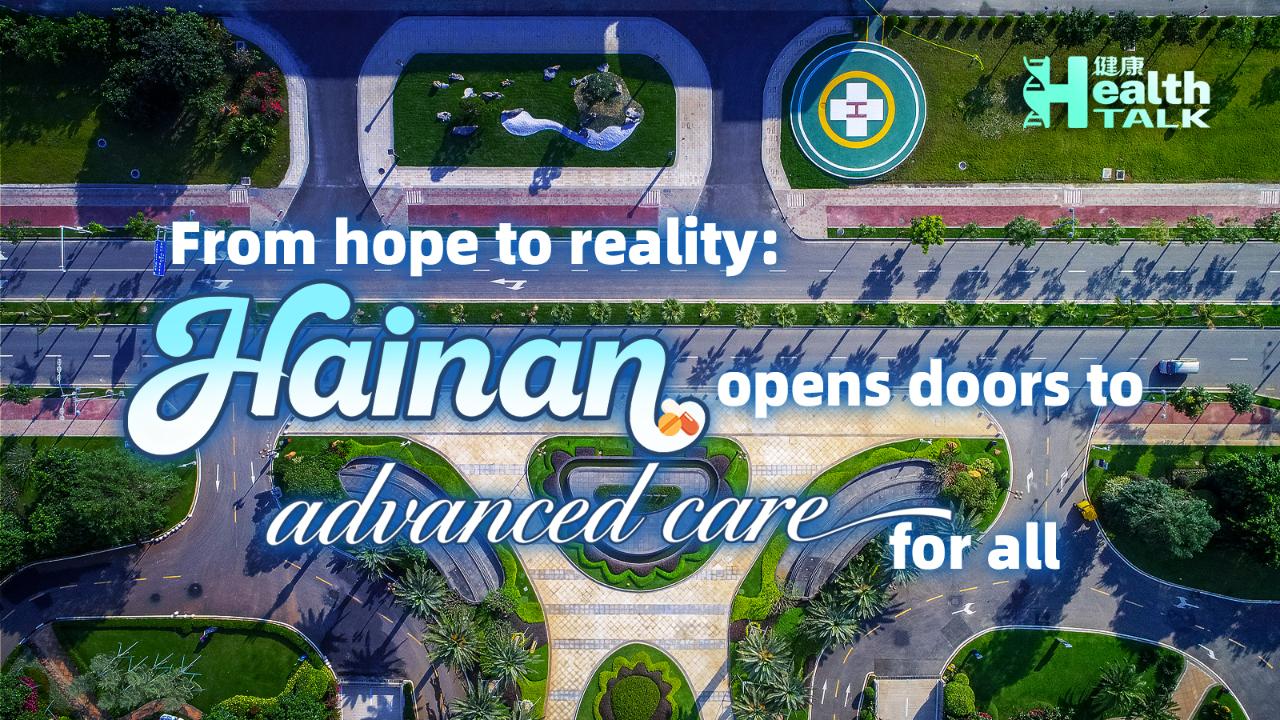
In southern China's Hainan Province, the Boao Lecheng International Medical Tourism Pilot Zone has rewritten the rules of global healthcare access. This 'medical special zone' has become the nation's most open and welcoming gateway for international patients seeking the world's newest pharmaceuticals and cutting-edge medical devices.
#
At the heart of this transformation is the world's first 'Super AI Hospital,' a digital powerhouse that is slashing the time it takes for patients to find and receive life-saving treatments. The hospital operates a global medical product 'radar' that continuously scans regulatory platforms like the FDA and EMA, capturing every new release and matching it precisely to patient indications. This system sends daily alerts to Lecheng's medical teams, flagging newly approved global therapies and even prioritizing which ones need urgent importation.
#
The result is a dramatic acceleration in patient access. While a conventional drug approval in China could take around 60 days, Lecheng has compressed that timeline to an average of just 40 hours – sometimes even half a day. This is a significant improvement, especially for patients with life-threatening conditions who require timely access to innovative treatments.
#
Beyond speed, affordability is a key pillar of the zone's mission. The Lecheng Administration has introduced a multi-layered security system, including a special medicine insurance plan. For just 49 yuan (about $8), patients can access up to 2 million yuan ($0.29 million) in coverage for licensed medical products. Since 2024, a national zero-tariff policy on imported medicines in the zone has saved patients an estimated 68 million yuan (about $10 million), with the total value of imported medical products reaching 514 million yuan ($76 million).
#
The Lecheng Pilot Zone's success has significant regional implications. By offering visa-free entry to citizens of 86 nations, Hainan has emerged as a major player in the global healthcare market. This development is likely to attract more international patients and medical tourists, boosting the local economy and creating new opportunities for medical professionals.
However, the zone's success also raises concerns about the potential for unequal access to healthcare. As the zone becomes more popular, there is a risk that patients from lower-income countries may be priced out of the market. Additionally, the zone's reliance on AI-powered systems raises questions about the potential for bias and errors in medical decision-making.
#
In conclusion, the Lecheng Pilot Zone has revolutionized global healthcare access, offering patients from around the world access to cutting-edge medical devices and innovative treatments. While there are concerns about unequal access and the potential for bias in AI-powered systems, the zone's success is a significant step forward in improving healthcare outcomes for patients worldwide.
The Lecheng Pilot Zone's success can be attributed to a combination of strategic motivations, including China's desire to become a global leader in healthcare innovation and its commitment to improving healthcare outcomes for its citizens. By offering visa-free entry to citizens of 86 nations, Hainan has created a unique opportunity for international patients to access the world's newest pharmaceuticals and cutting-edge medical devices.
The Lecheng Pilot Zone's success is part of a broader trend of China's increasing investment in healthcare innovation. In recent years, China has made significant strides in developing its healthcare sector, including the establishment of several major medical research institutions and the launch of several high-profile healthcare initiatives.
The Lecheng Pilot Zone's success is likely to have significant future consequences, including the potential for increased investment in healthcare innovation and the creation of new opportunities for medical professionals. However, the zone's success also raises concerns about the potential for unequal access to healthcare and the need for careful management of the zone's growth to ensure that it remains accessible to patients from lower-income countries.