TRENDING

Monday, 9 November 2026
----------------------
29 Jumada Al-Awwal 1448 AH
Eight months into a simmering conflict, Iran issues a stark warning to the United States while offering a path to de-escalation, even as an oil tanker incident raises fresh alarms in the Strait of Hormuz. The shifting political landscape in Washington adds another layer of complexity to the standoff.
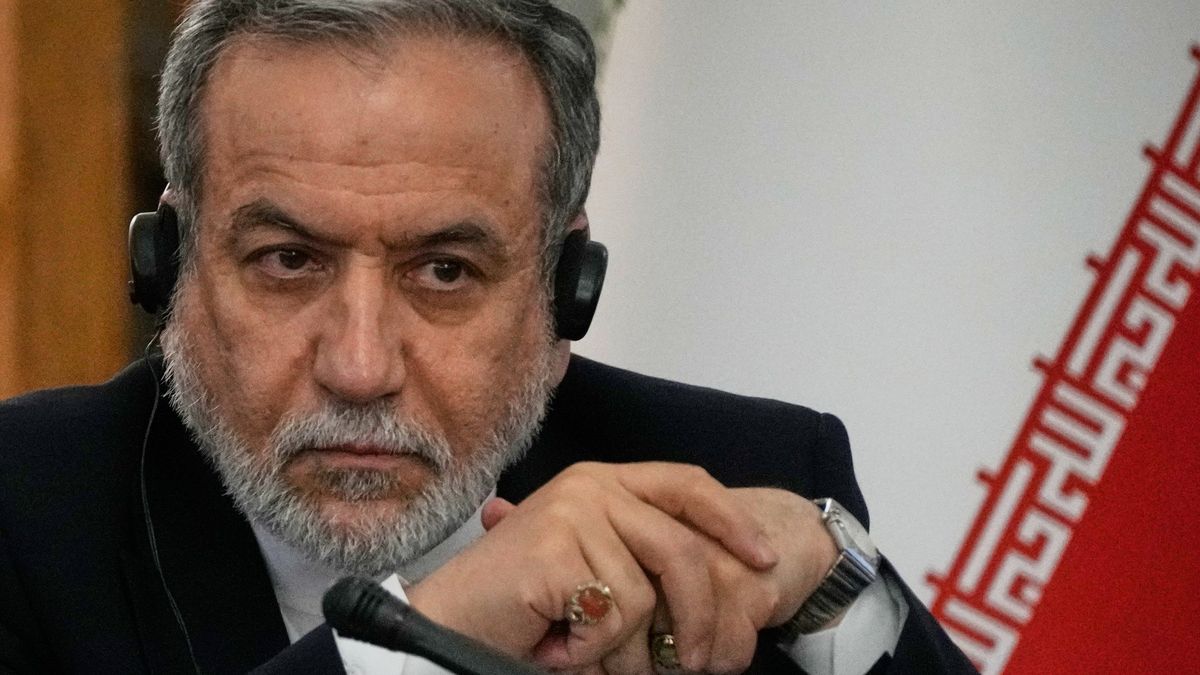
Iran's Foreign Minister Abbas Araghchi recently issued a stark warning, threatening to “rain down hell” if the United States escalates the ongoing eight-month conflict between the two nations. Araghchi simultaneously presented a “2-day proposal” for de-escalation, contingent on Washington ending its military actions on all fronts. In response, US President Donald Trump indicated that renewed strikes on Iran are “highly unlikely” if negotiations progress on Tehran's nuclear program and the reopening of the Strait of Hormuz, yet he simultaneously boasted of “locked and loaded” aircraft carriers in the region and the ability to destroy 38 Iranian bridges. These exchanges followed reports by Iranian state media that an oil tanker caught fire after striking a naval mine east of the Strait of Hormuz, and they occurred in the immediate wake of US midterm elections, which saw the Democratic Party gain control of both chambers of Congress.
The current exchange of threats and conditional offers is a carefully calibrated dance of deterrence and diplomacy, reflecting the structural forces that have defined the US-Iran relationship for decades. For Tehran, the “rain down hell” warning is not merely bluster; it is a critical component of its asymmetric deterrence strategy. Lacking the conventional military might to match the United States, Iran relies on the credible threat of inflicting unacceptable costs through regional proxies, missile capabilities, and disruption of vital global arteries like the Strait of Hormuz. The “2-day proposal” is a negotiation tactic, attempting to leverage the perceived US desire for de-escalation while signaling Iran's own readiness to engage, but only on its terms. This approach aims to unify domestic support around a narrative of national resilience against external aggression, crucial for the regime's political survival.
Washington's posture, articulated by President Trump, is equally multi-layered. His rhetoric of “locked and loaded” carriers and the ability to destroy infrastructure serves as a classic projection of overwhelming force, designed to maintain pressure and deter further Iranian actions. However, his simultaneous openness to negotiations, contingent on progress on the nuclear program and the Strait of Hormuz, reveals a strategic pivot. This pivot is likely influenced by a combination of factors: the economic strain of a protracted conflict, the potential for global oil price volatility, and the domestic political shift following the US midterm elections. A Democratic-controlled Congress could introduce new pressures, potentially limiting the executive's unilateral military options and pushing for more diplomatic solutions. This creates a complex dynamic where Trump must appear tough to his base while navigating a potentially more constrained political environment.
The Strait of Hormuz remains the strategic linchpin of this standoff. As the world's most important oil transit choke point, any disruption there sends immediate shockwaves through the global economy. The reported mine incident, regardless of its true attribution, instantly raises the stakes, reminding all actors of the immense leverage that can be wielded by threatening this vital waterway. For Iran, the ability to threaten the Strait is its ultimate card against economic sanctions and military pressure. For the US and its allies, ensuring its free passage is a core security interest, underpinning global energy markets and their own economic stability.
Both sides are also engaged in a form of
The **US** and **Iran** are in an eight-month conflict, characterized by military threats, economic sanctions, and proxy engagements. Recent exchanges include **Iran's** warning of retaliation and a proposal for de-escalation, countered by **US** conditional offers for talks alongside continued military posturing.
The **Strait of Hormuz** is a critical choke point for global oil shipments, making it strategically vital. Any disruption or threat to shipping in the Strait can significantly impact global energy markets and serves as a major point of leverage for **Iran** against **US** pressure.
The **Democratic Party's** control of both chambers of **US Congress** following the midterm elections could influence **President Trump's** Iran policy. This shift may lead to increased pressure for diplomatic solutions and potentially limit the administration's ability to pursue unilateral military actions.
Source referenced: ALJAZEERA
This brief was synthesized by our Editorial Engine and reviewed by The Ground Narrative team.


