TRENDING

Sunday, 20 September 2026
----------------------
9 Rabi' Al-Thani 1448 AH
Germany’s far‑right AfD eyes gains in Berlin and Mecklenburg‑Western Pomerania, testing Chancellor Friedrich Merz’s grip on power. The outcome will ripple through coalition dynamics and everyday lives across the country.
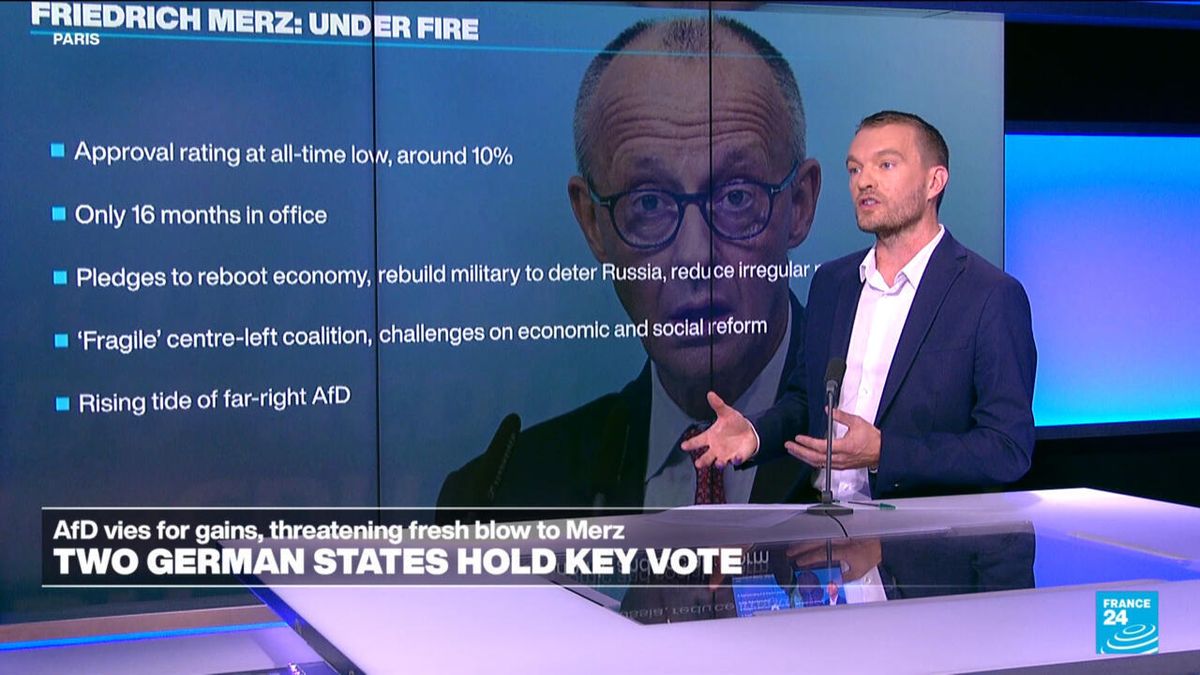
Two German states – Berlin and Mecklenburg‑Western Pomerania – go to the polls on 20 September 2026. The far‑right Alternative für Deutschland (AfD) is projected to improve on its historic win in Saxony‑Anhalt, while Chancellor Friedrich Merz’s CDU/CSU coalition seeks to stave off any erosion of its majority.
The AfD’s surge is less about a sudden ideological conversion and more about structural incentives. First, the party has capitalised on voter fatigue with the traditional centre‑right’s handling of energy costs, migration debates, and the lingering shadow of the Ukraine war. Second, Germany’s mixed‑member proportional system rewards parties that clear the 5 % threshold, allowing the AfD to translate regional discontent into parliamentary seats without needing a statewide majority.
For Merz, the stakes are personal and institutional. A loss of key state legislatures weakens his bargaining power within the coalition, potentially prompting a confidence vote in the Bundestag. The CDU/CSU’s internal factions – the business‑friendly “Economic Liberals” and the more socially conservative “Mittelstand” wing – are already jostling for influence; a setback could embolden the latter to demand harsher immigration controls or a tougher stance on EU fiscal rules, reshaping the coalition’s policy agenda.
Internationally, the AfD’s rise feeds into a broader pattern of right‑wing parties exploiting economic anxiety to challenge liberal democratic norms. While Berlin remains a stronghold for the European Union, a stronger AfD presence could pressure Germany’s foreign policy, especially on NATO commitments and relations with Russia and China, where the party has voiced skepticism about sanctions and strategic autonomy.
The electorate most affected by these state contests are ordinary Germans facing rising living costs, precarious employment, and dwindling public services in rural areas. In Mecklenburg‑Western Pomerania, aging populations depend on state subsidies for healthcare and infrastructure; a shift toward the AfD could redirect funds toward nationalist rhetoric rather than concrete service delivery.
In Berlin, low‑income renters and migrant communities risk being caught in a political tug‑of‑war that may tighten housing regulations and increase policing. The AfD’s platform includes stricter asylum policies and a crackdown on what it calls “parallel societies,” measures that could exacerbate social segregation and limit access to public education for children of immigrant families.
Small business owners, too, stand to lose. While the AfD promises tax relief, its unpredictable stance on EU market rules could jeopardise cross‑border trade, especially for firms reliant on the single market for supplies. A fragmented coalition may also stall climate‑related subsidies that many green‑tech startups depend on, slowing a sector that employs thousands of young professionals.
Official narratives focus on “democratic legitimacy” and “policy debate,” but they downplay the role of external financing and media ecosystems that amplify the AfD’s message. Investigations have revealed that a network of online influencers, some linked to foreign outlets, has been funneling targeted ads to disaffected voters in both states. These campaigns often sidestep traditional fact‑checking, feeding misinformation about energy prices and EU migration quotas.
Moreover, the coalition’s internal calculations are being framed as a simple “vote‑count” exercise, obscuring the longer‑term strategic gamble of conceding policy concessions to keep the centre‑right united. By avoiding a frank discussion of how far‑right pressure could reshape Germany’s social contract, mainstream parties risk normalising extremist rhetoric.
Watch for post‑election coalition talks in Berlin’s state parliament: any AfD‑CDU/CSU rapprochement, however limited, will signal how far the mainstream will bend on immigration and EU policy. In the Bundestag, monitor whether Merz calls a confidence vote or reshuffles his cabinet to placate internal critics.
International observers will also be keen on Germany’s stance at upcoming NATO summits. A stronger AfD presence could translate into softer language on defence spending, affecting the alliance’s collective‑security calculations amid heightened East‑West tensions.
Finally, keep an eye on civil‑society responses – protests, voter‑education drives, and local media investigations – which often surface only after the headline numbers are reported. These grassroots actions will determine whether the electoral shift becomes a fleeting blip or a lasting reorientation of German politics.
Editor's Note: Analysis based on publicly available election data and known party platforms; specific funding links remain under investigation.
Source referenced: FRANCE24
This brief was synthesized by our Editorial Engine and reviewed by The Ground Narrative team.