TRENDING

Tuesday, 27 October 2026
----------------------
16 Jumada Al-Awwal 1448 AH
Germany's failure to implement the EU Pay Transparency Directive by June 7 has sparked concerns about the country's commitment to equal pay and its potential consequences for European integration.
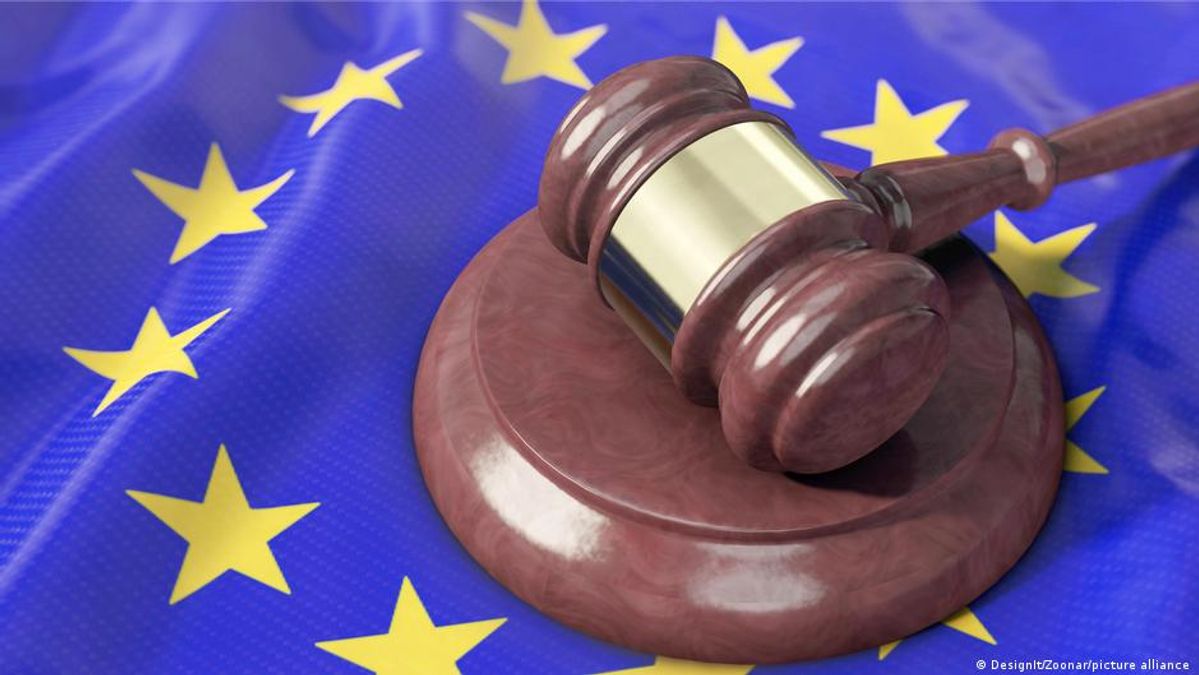
Germany's largest economy has missed the June 7 deadline to implement the EU Pay Transparency Directive, a move that has sparked concerns about the country's commitment to equal pay and its potential consequences for European integration.
The EU Pay Transparency Directive aims to strengthen the application of equal pay for equal work or work of equal value between men and women through pay transparency and enforcement mechanisms. The directive requires employers to provide employees with information about their pay and to eliminate unjustified pay gaps. The law relies on three mechanisms: the right to request information, gender pay gap reporting for larger companies, and joint pay assessments.
The German government approved a bill to amend the General Equal Treatment Act (AGG) on May 6, which was supposed to incorporate the EU's requirements into German law. However, the bill has been criticized for not going far enough, as it only provides employees with four months to decide whether they want to assert a claim according to the AGG, rather than the required two months.
The European Commission is likely to try to reach an agreement with Berlin to implement the directive as quickly as possible. If an agreement is not reached, the Commission can initiate infringement proceedings, which could result in a warning letter or a penalty payment. In the past, Germany has been fined €34 million for failing to implement an EU directive on whistleblower protection.
Germany's failure to implement the directive has implications for European integration and labor rights. The EU has been pushing for greater transparency and accountability in the labor market, and Germany's missed deadline may undermine these efforts. The directive is also seen as a key step towards achieving the EU's goal of reducing the gender pay gap.
If Germany fails to implement the directive, it may face further action from the EU, including a penalty payment or even a lawsuit. This could have significant consequences for the country's economy and its reputation as a leader in European integration.
Germany's missed deadline for implementing the EU Pay Transparency Directive is a blow to the country's commitment to equal pay and its potential consequences for European integration. The EU is likely to try to reach an agreement with Berlin, but if an agreement is not reached, the Commission may initiate infringement proceedings. The implications of this move are far-reaching and may have significant consequences for the country's economy and its reputation as a leader in European integration.
Editor's Note: The analysis is based on publicly available information and may not reflect the full range of perspectives on this issue.
Source referenced: DW
This brief was synthesized by our Editorial Engine and reviewed by The Ground Narrative team.