TRENDING

Thursday, 12 November 2026
----------------------
2 Jumada Al-Thani 1448 AH
An Israeli strike on a metal foundry in Gaza City's Sabra neighborhood killed three people and destroyed vital shelters. This incident underscores the relentless human toll of the ongoing conflict on ordinary families.
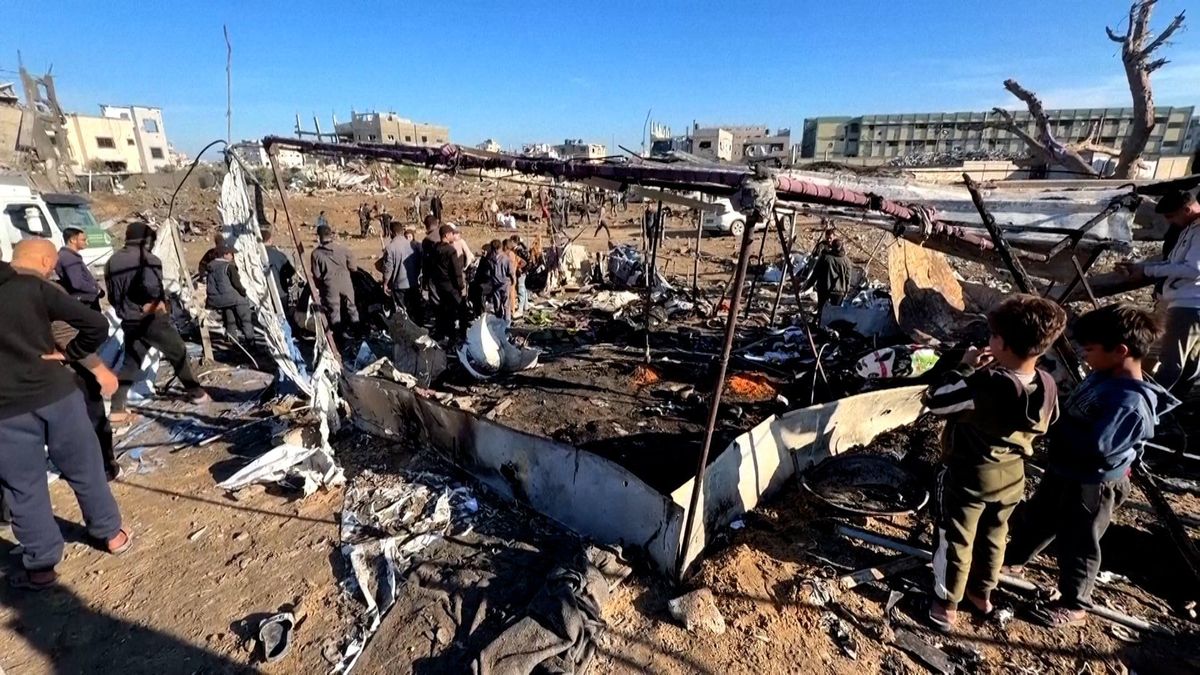
On November 11, 2026, an Israeli military strike targeted a metal foundry in the Sabra neighborhood of Gaza City. The attack resulted in the deaths of three individuals and the destruction of numerous makeshift shelters, leaving Palestinian families who had sought refuge there once again displaced and without protection. The incident is a stark reminder of the continuous violence that reshapes the lives of civilians in the besieged Gaza Strip, where infrastructure and residential areas frequently become targets in the protracted conflict.
The strike on a metal foundry in Sabra is a microcosm of the broader power dynamics at play in the Israel-Gaza conflict. From Israel's perspective, such targets are often framed as dual-use infrastructure or facilities linked to militant groups like Hamas, capable of producing rockets or other military hardware. The logic dictates that degrading such capabilities is essential for national security, aiming to reduce the threat of attacks originating from Gaza. This military doctrine prioritizes operational objectives, often viewing any civilian presence near a target as a consequence of Hamas's alleged strategy of embedding itself within civilian areas.
For Hamas, operating within the densely populated urban fabric of Gaza City is both a tactical necessity and a political statement. The group leverages the civilian presence, intentionally or not, to complicate Israel's military operations and draw international condemnation for civilian casualties. The political survival of Hamas is intrinsically linked to its perceived resistance against Israel, and its ability to maintain a military infrastructure, however basic, is central to this image. The destruction of a foundry, whether it was actively used for military purposes or not, becomes a point of contention, with each side presenting a narrative that serves its strategic interests.
The international community, primarily represented by the United States and European Union, often finds itself in a delicate balancing act. While condemning civilian casualties and calling for de-escalation, these powers also provide significant military and diplomatic support to Israel, limiting their leverage to impose stricter constraints on its military actions. The economic trade-offs are immense: the destruction of infrastructure, whether civilian or military-linked, further cripples Gaza's already devastated economy, perpetuating dependency on external aid. This cycle of destruction and aid reinforces a status quo where the fundamental issues of occupation and blockade remain unaddressed, while the immediate focus shifts to humanitarian relief rather than political solutions.
The human cost of the Sabra neighborhood strike is immediate and devastating, yet it represents only a fraction of the cumulative suffering endured by Gaza's civilian population. Three lives were extinguished, but countless others were irrevocably altered. For the Palestinian families who had sought refuge in makeshift shelters near the metal foundry, the strike meant the loss of their last semblance of safety and stability.
Many of these families were already internally displaced, having fled previous bombardments or the destruction of their homes in other parts of Gaza. The tents and temporary structures they inhabited were not homes in any permanent sense, but they offered a fragile shield against the elements and a communal space for survival. Their destruction means a return to absolute vulnerability, forcing families to seek shelter with relatives, in overcrowded UN schools, or, most likely, to erect new, equally precarious shelters in another perceived 'safe' zone that could become a target at any moment. This relentless cycle of displacement erodes any sense of normalcy or future planning, trapping generations in a state of perpetual crisis.
Beyond the physical destruction and loss of life, the psychological toll is immense. Children in Gaza have known little else but conflict, blockade, and displacement. Witnessing such violence, losing loved ones, and constantly fearing for their lives contributes to widespread trauma, anxiety, and depression. The destruction of a simple foundry, even if it were deemed a legitimate military target by one side, shatters the fragile sense of security for those living nearby. It reinforces the perception that no place is truly safe, and no civilian life is truly protected, leading to a profound erosion of hope for a peaceful future. Access to mental health services is severely limited, leaving communities to grapple with collective trauma largely unaided.
The destruction of the metal foundry, regardless of its alleged military connection, also impacts the local economy. Foundries, even small ones, are often sources of employment and provide essential materials for local construction and repair – critical activities in a territory constantly needing rebuilding. The loss of such a facility, alongside the broader economic blockade, further stifles any opportunity for economic recovery or self-sufficiency. For ordinary citizens, this means fewer jobs, higher prices for basic goods, and an even greater reliance on humanitarian aid, perpetuating a cycle of poverty and dependency that undermines human dignity and resilience.
What often goes unsaid or is deliberately downplayed by powerful actors on all sides of the Israel-Gaza conflict is the strategic utility of civilian suffering, and the long-term, irreversible damage inflicted on the social fabric of a community. Official statements from Israel typically focus on the military necessity of strikes, emphasizing precision targeting and the alleged presence of militant assets. The narrative often omits or minimizes the extensive collateral damage and the cumulative impact of such strikes on a civilian population already living under severe duress. The destruction of shelters, the loss of life, and the psychological scars are frequently framed as unavoidable consequences of Hamas's tactics, rather than outcomes requiring deeper accountability.
Governments and international bodies, while expressing concern, often normalize the state of perpetual displacement in Gaza. The constant need for emergency shelters, food aid, and medical supplies becomes the primary focus, diverting attention from the underlying political failures that perpetuate the conflict. The narrative of humanitarian crisis, while accurate, can inadvertently overshadow the political agency and rights of Palestinians to self-determination and safety. The ongoing reality of families losing their homes, moving to temporary shelters, only to lose those too, is presented as an unfortunate but recurring event, rather than a systemic failure of protection and accountability.
Hamas, for its part, often highlights the civilian casualties and destruction as evidence of Israeli aggression, using it to bolster its narrative of resistance and garner international sympathy. However, Hamas rarely addresses the implications of its own operational choices – such as the alleged placement of military assets within or near civilian infrastructure – on the safety and well-being of the population it claims to protect. The long-term strategic implications of such tactics, which inevitably draw retaliatory strikes to civilian areas, are rarely part of their public discourse. The focus remains on immediate grievances and resistance, often at the expense of a transparent discussion about civilian protection strategies.
The international community, particularly major global powers, often downplays its own limited effectiveness in altering the fundamental dynamics of the conflict. While providing substantial humanitarian aid, the political will to enforce international law or hold powerful actors accountable for violations is often lacking. Statements of condemnation are frequent, but concrete actions that could genuinely protect civilians or push for a lasting political solution are rare. This inaction or limited action is often masked by diplomatic rhetoric that emphasizes
An Israeli military strike targeted a metal foundry in the Sabra neighborhood of Gaza City on November 11, 2026. The attack killed three people and destroyed temporary shelters, leaving families displaced once again.
Ordinary Palestinian families in Gaza bear the direct human cost, facing loss of life, repeated displacement, destruction of their homes and livelihoods, and severe psychological trauma. The strikes exacerbate an already dire humanitarian situation.
Powerful actors often omit or downplay the long-term, cumulative impact of such strikes on civilian populations, including the normalization of displacement and the erosion of hope. They tend to focus on military necessity or resistance narratives, rather than comprehensive accountability for civilian protection.
Source referenced: ALJAZEERA
This brief was synthesized by our Editorial Engine and reviewed by The Ground Narrative team.


