TRENDING

Thursday, 15 October 2026
----------------------
4 Jumada Al-Awwal 1448 AH
Top tennis players, including world number one Aryna Sabalenka, limit their media commitments to draw attention to the issue of prize money distribution at the French Open.
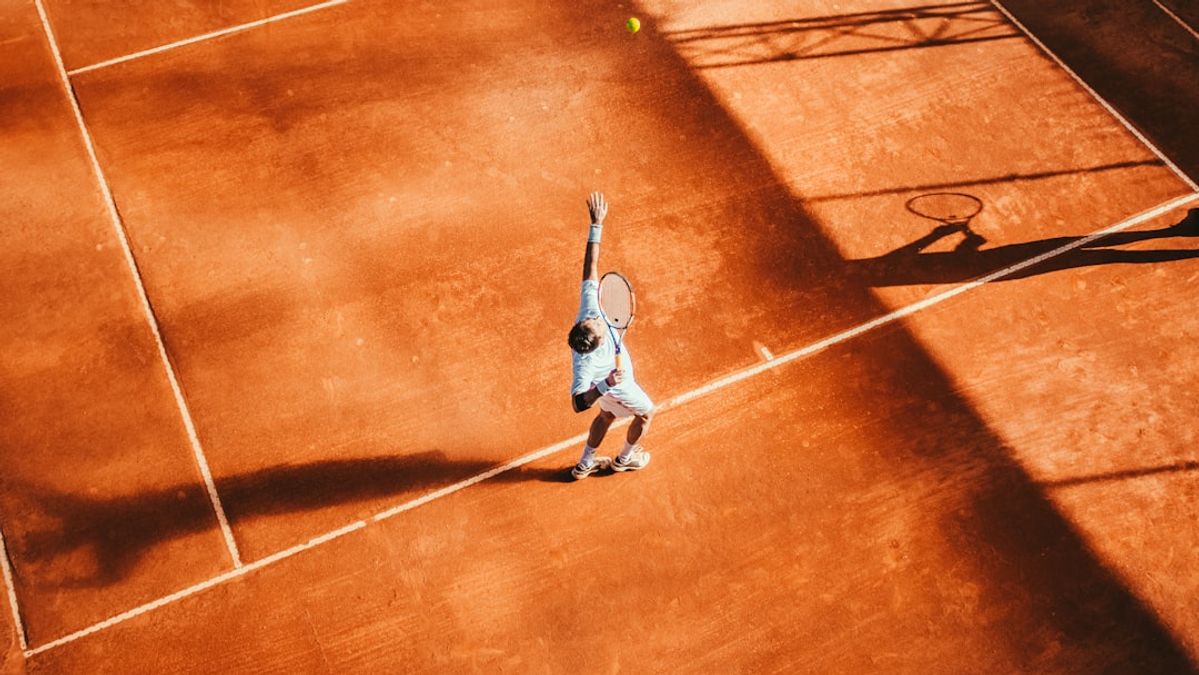
The French Open has been marred by controversy as top tennis players, including world number one Aryna Sabalenka, limit their media commitments to draw attention to the issue of prize money distribution. This collective action is the latest step in a long-running dispute between the players and the Grand Slam tournaments.
The players are demanding a higher ratio of prize money-to-revenue, with more money trickling down to lower-ranked players. They argue that the current 15% of revenue offered by the French Open is inadequate. The group has asked the Slams to pay 22% of their revenue in prize money by 2030.
The issue of prize money distribution is not new to the tennis world. In the past, players have protested and boycotted tournaments over similar issues. However, this collective action by top players is a significant development, as it highlights the strength of feeling among the players.
The dispute over prize money has implications beyond the tennis world. It reflects the broader issue of income inequality and the need for fair compensation for athletes. The players' demands for a higher ratio of prize money-to-revenue also reflect the changing economic landscape of the sport.
The consequences of this dispute are uncertain. If the players' demands are not met, it could lead to a boycott of the majors, which would have significant implications for the sport. On the other hand, if the Grand Slams agree to the players' demands, it could set a precedent for other sports and tournaments.
Editor's Note: The players' demands for a higher ratio of prize money-to-revenue are uncertain, but it has the potential to set a precedent for other sports and tournaments.
Source referenced: BBC
This brief was synthesized by our Editorial Engine and reviewed by The Ground Narrative team.


