TRENDING

Sunday, 18 October 2026
----------------------
7 Jumada Al-Awwal 1448 AH
The European Union is seeking ways to expedite the membership process for six Western Balkan countries, but regional tensions and differences among candidate states threaten to overshadow the EU-Western Balkans summit.
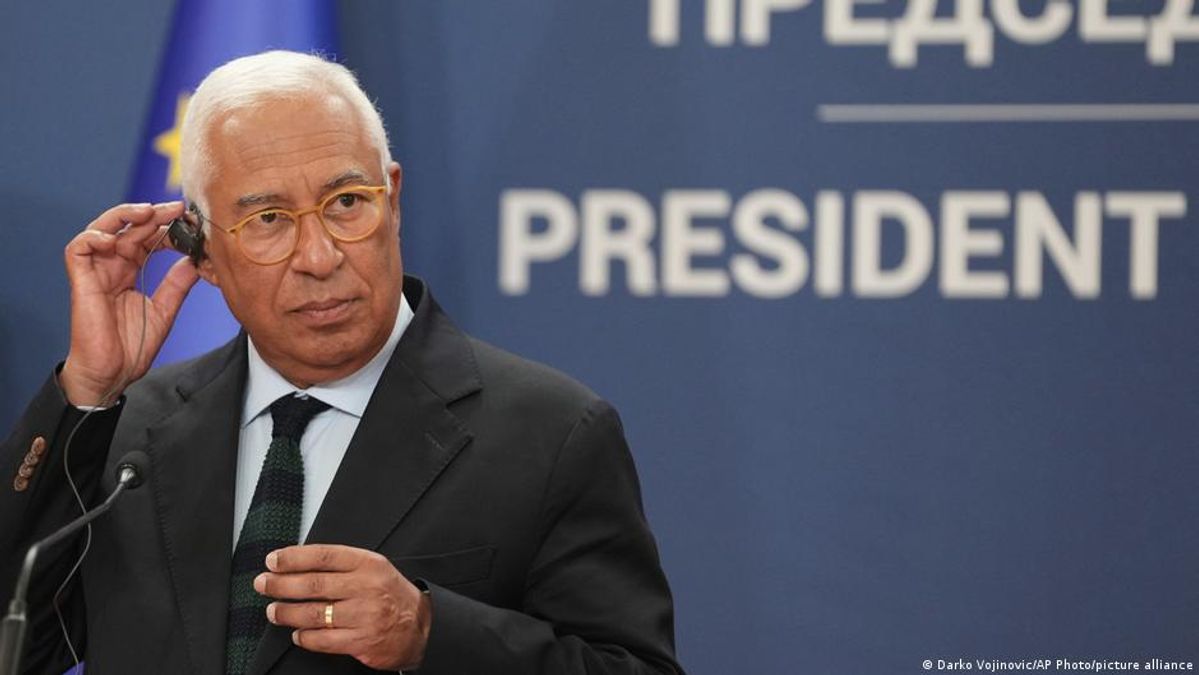
The European Union's (EU) enlargement to the Western Balkans is a strategic investment aimed at promoting regional stability, economic growth, and democratic values. European Council President Antonio Costa emphasized the importance of this process, stating that it is the 'most important geopolitical investment that the European Union is doing.'
The Western Balkans have been a region of strategic interest for centuries, with various empires and powers vying for control. The collapse of Yugoslavia in the 1990s led to a series of conflicts, which ultimately resulted in the dissolution of the state union. Since then, the region has been on a path towards integration with the EU, with six countries - Albania, Bosnia-Herzegovina, Kosovo, North Macedonia, Serbia, and Montenegro - seeking membership.
However, regional tensions and differences among candidate states threaten to overshadow the EU-Western Balkans summit. The recent ban on 87 Serbian nationals entering Montenegro, citing security concerns, has sparked tensions between the two countries. Serbia's Security and Information Agency warned President Vucic not to travel to Montenegro for the summit, citing security threats.
The EU faces a dilemma in balancing its desire to accelerate the membership process with the need to address regional tensions and differences among candidate states. The EU's enlargement policy is based on the principles of conditionality, which requires candidate countries to meet certain criteria, including democratic reforms and alignment with EU policies.
The outcome of the EU-Western Balkans summit will have significant consequences for the region. A successful summit could lead to a faster and more efficient membership process, promoting regional stability and economic growth. However, a failure to address regional tensions and differences could lead to a prolonged and uncertain process, potentially undermining the EU's credibility and influence in the region.
The EU's enlargement to the Western Balkans is a complex and challenging process, requiring careful balancing of competing interests and priorities. The EU must navigate regional tensions and differences among candidate states while promoting democratic values and economic growth. A successful outcome will depend on the EU's ability to address these challenges and provide a clear and compelling vision for the region's future.
Editor's Note: The EU's ability to address regional tensions and differences among candidate states will be crucial in determining the success of the EU-Western Balkans summit.
Source referenced: DW
This brief was synthesized by our Editorial Engine and reviewed by The Ground Narrative team.