TRENDING

Sunday, 25 October 2026
----------------------
14 Jumada Al-Awwal 1448 AH
The European Union has agreed to maintain the current three-hour flight delay threshold for compensation, rejecting airlines' demands for flexibility and increased profit margins.
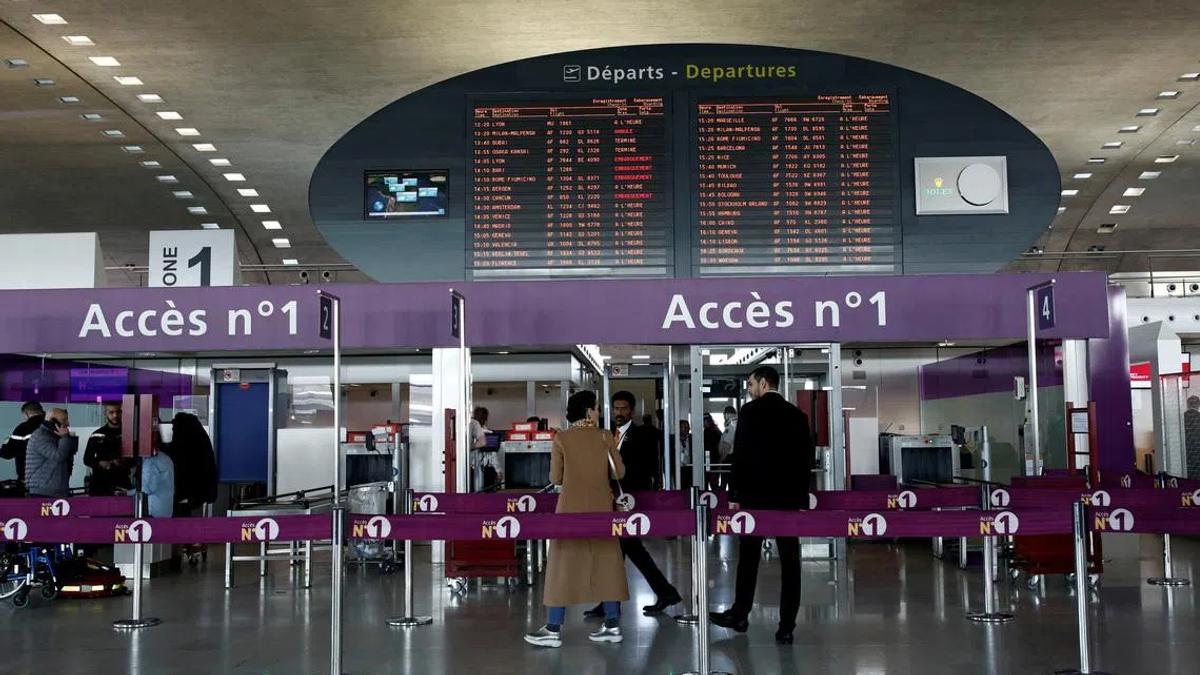
The European Union's (EU) 27 member states have reached a consensus to maintain the current three-hour flight delay threshold for compensation, a decision that will likely be welcomed by consumer protection associations. This move comes after a decade-long debate over the EU's airline passenger rights package, which was first proposed by the European Commission in 2014.
The EU's current rules, introduced in 2004, allow air passengers on flights delayed by more than three hours to claim compensation ranging from €250 to €600, depending on the flight's length. This threshold has been a contentious issue, with airlines demanding more flexibility to remain competitive and consumer protection associations pushing for stronger passenger rights.
The EU's decision to maintain the status quo on flight delay compensation can be seen as a victory for consumer protection associations, which have long argued that airlines should be held accountable for delays. By rejecting airlines' demands for a higher threshold, the EU is sending a strong signal that passenger rights will continue to be prioritized.
The EU's decision will likely have implications for the airline industry, particularly for low-cost carriers that have been criticized for their aggressive pricing strategies and poor customer service. The EU's proposal to force airlines to include fees for cabin bags in their basic ticket price will also improve price transparency and comparability, making it easier for consumers to make informed decisions.
The EU's decision to maintain the current flight delay compensation threshold will likely have a positive impact on consumer confidence in the airline industry. However, it remains to be seen how airlines will respond to this decision, particularly in light of the EU's proposal to improve price transparency. If implemented, this measure could lead to a more level playing field for airlines, with consumers benefiting from more transparent pricing and better services.
Source referenced: STRAITSTIMES
This brief was synthesized by our Editorial Engine and reviewed by The Ground Narrative team.