TRENDING

Monday, 26 October 2026
----------------------
15 Jumada Al-Awwal 1448 AH
An Ebola outbreak has escalated in eastern Democratic Republic of Congo, with confirmed deaths in a crowded displacement camp, raising alarms about rapid transmission in conflict-affected regions. The crisis underscores the profound challenges of disease containment amidst protracted conflict, inadequate infrastructure, and a lack of specific treatments for the rare Bundibugyo strain.
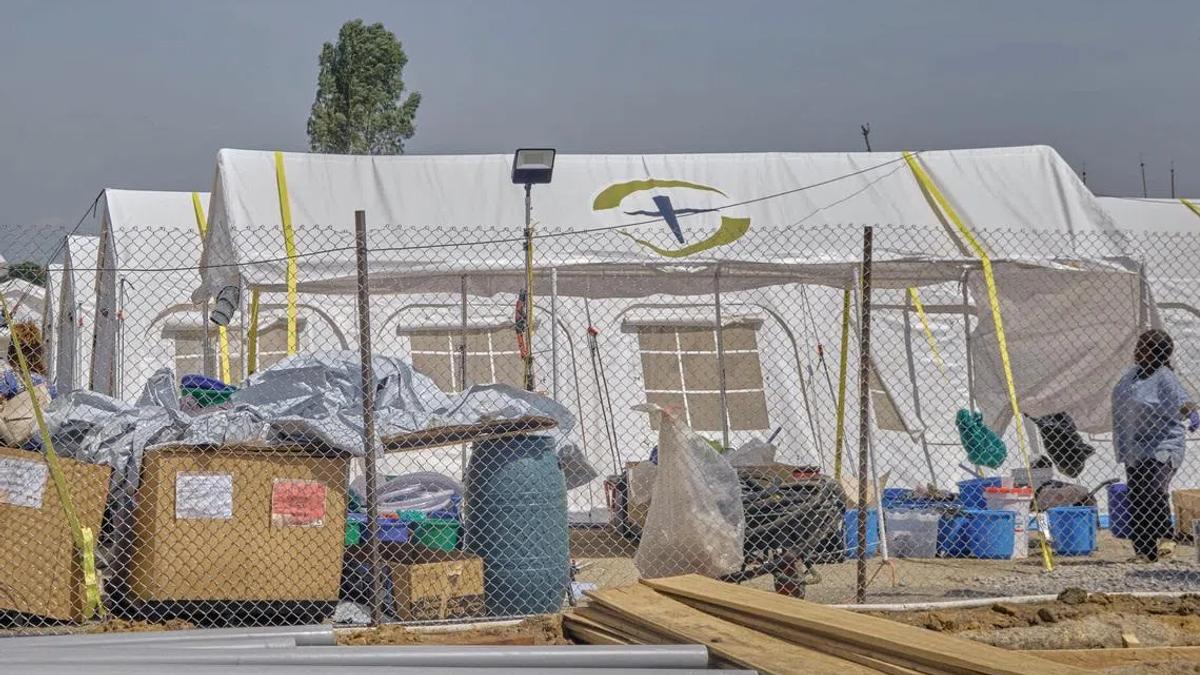
The confirmation of two Ebola-related deaths within a crowded displacement camp in eastern Democratic Republic of Congo (DRC) marks a critical escalation of an already grave public health crisis. The incident, reported by the U.N. refugee agency (UNHCR) on June 12, 2026, highlights the profound challenges of disease containment in regions ravaged by protracted conflict and humanitarian emergencies. The victims, a mother and daughter, were internally displaced persons (IDPs) residing in the Kpangba camp in Ituri province, a site hosting approximately 30,000 individuals. This development underscores the severe risks posed by the rapid transmission of the virus in densely populated, unsanitary environments, with aid agencies expressing profound concern over a potential widespread outbreak.
The current Ebola outbreak, declared a public health emergency of international concern by the World Health Organization (WHO) on May 17, has now spread across three provinces: Ituri, North Kivu, and South Kivu. These provinces are the epicenter of a complex humanitarian crisis, having endured decades of armed conflict that have displaced over 5 million people. The Kpangba camp, like many others in the region, is characterized by cramped conditions, rudimentary shelter—often tents with tarp walls—and severely inadequate hygiene facilities, with hundreds of people frequently sharing a single toilet. Such environments are ideal breeding grounds for infectious diseases, making effective isolation and containment measures nearly impossible.
The spread of Ebola into IDP camps carries significant geopolitical and humanitarian implications. Firstly, it exacerbates an already dire humanitarian situation in eastern DRC, where populations are highly vulnerable due to conflict, food insecurity, and limited access to healthcare. An uncontrolled epidemic could trigger further mass displacement, as fear of the disease prompts people to flee, potentially spreading the virus to new areas and overwhelming already strained aid resources. Caitlin Brady of the Danish Refugee Council warned of potential panic and uncontrolled movement, complicating contact tracing and containment efforts.
Secondly, the outbreak of the rare Bundibugyo strain of Ebola presents a unique challenge, as there is currently no approved treatment or vaccine specifically for this variant. This absence of medical countermeasures means that traditional public health interventions—such as rapid isolation, contact tracing, and safe burial practices—are the primary tools for containment, which are exceedingly difficult to implement in insecure and overcrowded settings. The fact that the disease went undetected for weeks before the WHO declaration further illustrates the systemic challenges in surveillance and rapid response in conflict-affected zones.
Thirdly, the cross-border spread of the virus to neighboring Uganda, which has reported 19 cases, underscores the regional dimension of this crisis. Disease outbreaks do not respect national borders, and the porous frontiers in East Africa mean that instability and health crises in one nation can quickly become regional concerns. This necessitates robust cross-border cooperation, coordinated public health responses, and shared resources, which can be challenging in a region marked by historical tensions and varying capacities.
The persistent insecurity in eastern DRC, driven by numerous armed groups, poses a formidable obstacle to humanitarian and health workers. Access to affected areas can be dangerous, and community mistrust, sometimes fueled by misinformation, can hinder public health campaigns. The lack of basic infrastructure, including roads and communication networks, further complicates the logistics of deploying medical teams, supplies, and establishing treatment centers.
From a geopolitical perspective, the recurring cycle of conflict, displacement, and disease outbreaks in the DRC highlights a critical failure of governance and international intervention to address the root causes of instability. While immediate humanitarian aid and public health responses are crucial, a long-term solution requires sustained efforts to promote peace, strengthen state institutions, improve public health infrastructure, and foster economic development in these marginalized regions. Without addressing these underlying issues, the DRC and its neighbors will remain susceptible to similar crises, perpetuating a cycle of suffering and instability. The international community's response to this Ebola outbreak will be a test of its commitment to global health security and humanitarian principles in one of the world's most challenging environments.
Source referenced: STRAITSTIMES
This brief was synthesized by our Editorial Engine and reviewed by The Ground Narrative team.