TRENDING

Wednesday, 14 October 2026
----------------------
3 Jumada Al-Awwal 1448 AH
A complex Ebola outbreak in eastern DRC, driven by the rare Bundibugyo virus, is expanding amid conflict, community distrust, and attacks on health workers, posing a significant regional health security threat as cases spread to Uganda. The crisis highlights the profound challenges of public health interventions in volatile environments and the critical need for integrated security and governance solutions.
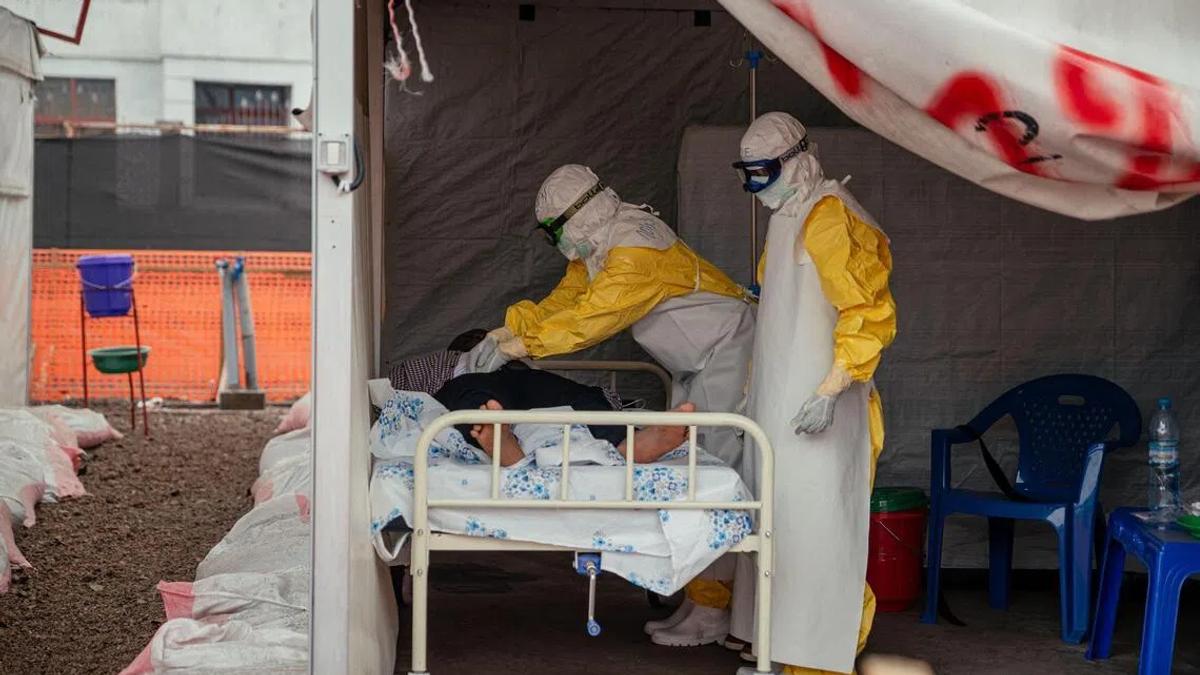
The Democratic Republic of Congo (DRC) is grappling with a rapidly expanding Ebola outbreak, now identified as the rare Bundibugyo virus strain, which has reached a critical juncture in its complexity and geographical spread. As of early June 2026, the epidemic has extended to 24 health zones nationwide, with a newly affected area, Mambasa, emerging over 160 kilometers from the initial outbreak point in Mongbwalu. This expansion is particularly alarming given the significant deterioration in contact tracing efforts, with health officials in Ituri province—the epicenter accounting for nearly 94 percent of confirmed infections—monitoring less than 40 percent of identified contacts. The National Institute of Public Health reported 344 confirmed infections and 60 deaths, a rise from 48 deaths just days prior, underscoring the severity and rapid progression of the disease.
The current Ebola epidemic is not merely a health crisis but a profound reflection of the deep-seated geopolitical and socio-economic challenges plaguing eastern DRC. The region is characterized by persistent insecurity, active conflict, and significant population movements, all of which critically undermine public health interventions. The article highlights that this environment fosters widespread distrust of authorities, making it exceptionally difficult for responders to identify contacts, isolate cases, and implement safe burial practices. This distrust is further exacerbated by misinformation, including persistent rumors of traditional healers possessing plant-based cures and fears that vaccination campaigns are a means to spread the virus. Such community resistance directly impedes containment efforts, as evidenced by attacks on Red Cross burial teams and ongoing challenges to contact tracing in key areas like Bunia and Nizi, a mining town. The escape of confirmed cases from care facilities in Ituri and North Kivu provinces poses a major risk for further community transmission, illustrating the direct link between insecurity, lack of trust, and public health failure.
The cross-border spread of the Bundibugyo strain to neighboring Uganda, which confirmed 15 infections and one death, elevates this outbreak from a national emergency to a significant regional health security threat. The porous borders in this conflict-prone area facilitate the movement of people, and consequently, the virus, posing substantial challenges for coordinated regional responses. An uncontrolled epidemic risks destabilizing cross-border trade, humanitarian aid routes, and diplomatic relations, potentially exacerbating existing tensions. The failure to contain the virus within the DRC could trigger broader regional health emergencies, straining already limited healthcare infrastructures and diverting resources from other critical development and security initiatives. The presence of mining towns like Mongbwalu and Nizi within the affected zones also raises concerns about potential economic disruptions, which could further fuel instability and conflict in an already volatile region.
Adding to the complexity are the scientific and logistical hurdles associated with the Bundibugyo strain. While preliminary research suggests that licensed Ebola vaccines may generate partial immune responses against this strain, the levels of cross-reactive antibodies are substantially lower compared to the Zaire strain, against which the vaccines were primarily developed. This finding, though not yet peer-reviewed, indicates that existing vaccination strategies may be less effective, necessitating urgent research and development into more targeted interventions. The logistical challenges of deploying vaccines and other medical supplies in a conflict zone, coupled with community resistance and attacks on health workers, further complicate any large-scale public health campaign. The backlog in laboratory testing, though recently cleared, also points to the strain on diagnostic capabilities amidst a rapidly evolving crisis.
The current Ebola outbreak in eastern DRC underscores the critical need for a multifaceted approach that extends beyond conventional public health measures. Effective containment requires not only robust medical interventions but also significant efforts to address the underlying drivers of instability: insecurity, governance deficits, and community distrust. Rebuilding trust through transparent communication, community engagement, and ensuring the safety of health workers are paramount. International cooperation and sustained support are essential to bolster the DRC's fragile health infrastructure, enhance surveillance capabilities, and facilitate the development and deployment of effective vaccines. Without a comprehensive strategy that integrates health, security, and socio-political dimensions, the region remains vulnerable to recurrent and increasingly complex public health crises, with far-reaching implications for regional and global health security.
Source referenced: STRAITSTIMES
This brief was synthesized by our Editorial Engine and reviewed by The Ground Narrative team.