TRENDING

Sunday, 25 October 2026
----------------------
14 Jumada Al-Awwal 1448 AH
Violence erupts at a rally in Kinshasa, DRC, as opposition groups clash with pro-government activists over a proposed law allowing President Felix Tshisekedi to stay in power beyond his two-term limit.
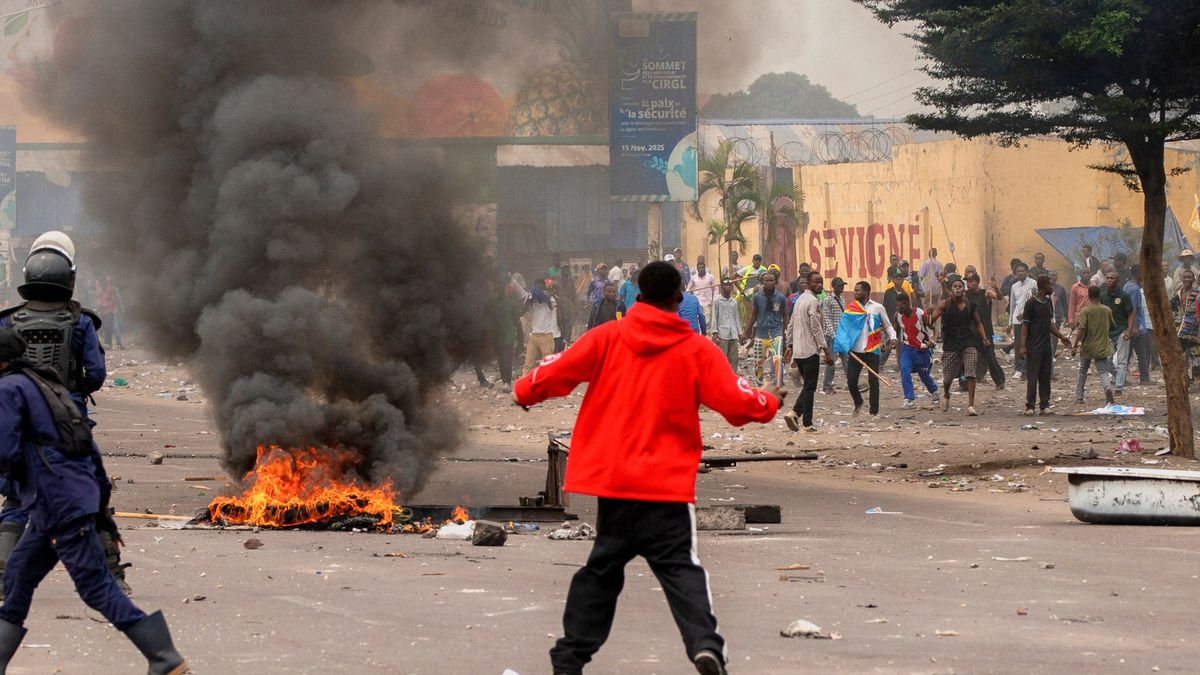
The Democratic Republic of Congo (DRC) is facing a perfect storm of crises, including the latest Ebola outbreak and an escalation of the decades-long conflict with the Rwanda-backed M23 rebels. Amidst this turmoil, a proposed law that could see President Felix Tshisekedi stay in power beyond his two-term limit has sparked widespread unrest.
The proposed law, which would allow the president to amend presidential term limits in the event of a "major dysfunction" that paralyses state institutions, has been met with fierce opposition from the main opposition parties. The C64 coalition, formed in May under the banner of opposition unity, has described the proposed changes as a "serious threat" to the country's stability.
The opposition's concerns are not unfounded. President Tshisekedi's bid to stay in office longer has generated further unrest, and the DRC's constitution bars any revision of presidential term limits. The proposed law is seen as a thinly veiled attempt to circumvent the constitution and maintain Tshisekedi's grip on power.
President Tshisekedi's motivations for seeking to stay in power are unclear, but it is likely that he is driven by a desire to maintain his influence and control over the country. The DRC is a vast and resource-rich nation, and Tshisekedi's ability to maintain power could have significant implications for regional stability and global economic interests.
The DRC's instability has significant regional implications. The country is a key player in the Great Lakes region, and its instability has the potential to spill over into neighboring countries. The conflict with the Rwanda-backed M23 rebels has already caused significant humanitarian suffering, and the proposed law could exacerbate the situation.
The consequences of the proposed law are far-reaching and uncertain. If passed, it could lead to further unrest and instability in the DRC, with significant implications for regional stability and global economic interests. The opposition's determination to block the law is a testament to the deep-seated concerns about Tshisekedi's bid to stay in power.
The fate of the proposed law remains uncertain, but one thing is clear: the DRC is facing a critical moment in its history. The opposition's determination to block the law will be tested in the coming days and weeks, and the consequences of their actions will have far-reaching implications for the country and the region.
Editor's Note: The motivations behind President Tshisekedi's bid to stay in power are unclear, but it is likely that he is driven by a desire to maintain his influence and control over the country.
Source referenced: ALJAZEERA
This brief was synthesized by our Editorial Engine and reviewed by The Ground Narrative team.