TRENDING

Monday, 5 October 2026
----------------------
24 Rabi' Al-Thani 1448 AH
The Democratic Republic of Congo faces an escalating 17th Ebola outbreak with 689 confirmed cases and 139 deaths, primarily in its volatile eastern provinces. The crisis is exacerbated by operational challenges, community mistrust, and a significant funding shortfall, posing severe risks to regional stability and humanitarian efforts.
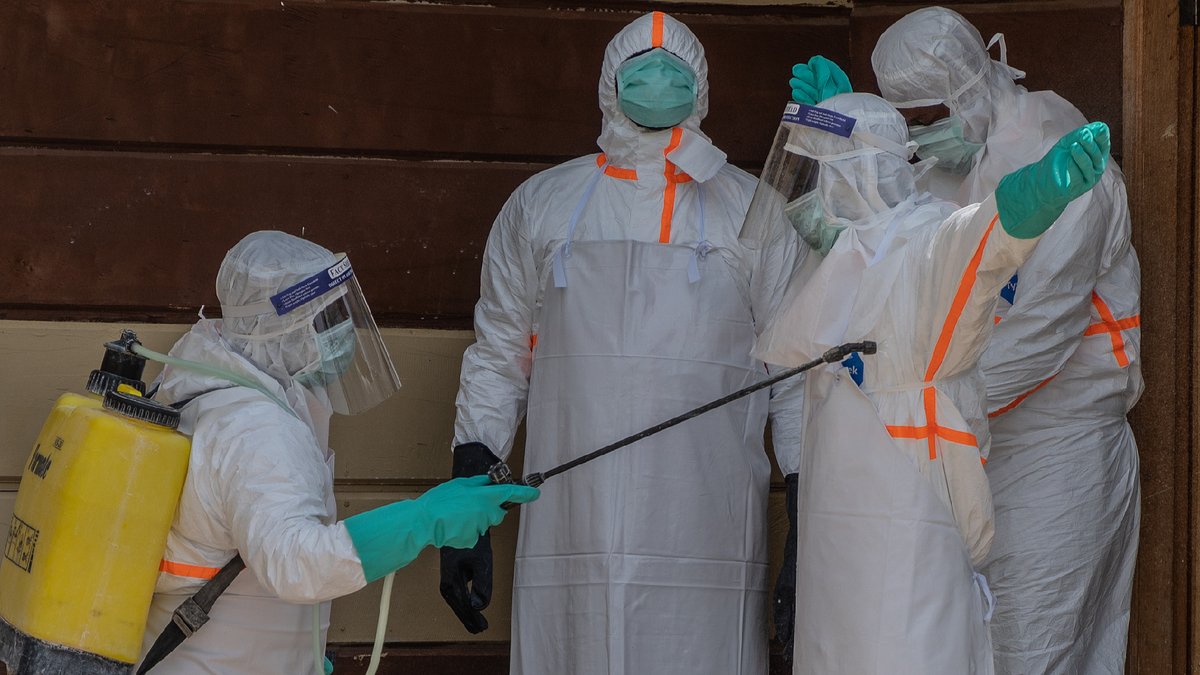
The Democratic Republic of Congo (DRC) is confronting a significant escalation of its 17th Ebola outbreak, with health authorities reporting 689 confirmed cases and 139 deaths as of June 13, 2026. This latest resurgence, caused by the Bundibugyo strain of the virus, is primarily concentrated in the eastern provinces of Ituri, North Kivu, and South Kivu, with Ituri identified as the epicenter. The crisis unfolds against a backdrop of persistent instability and humanitarian challenges in a region already grappling with armed conflict and widespread displacement, underscoring the complex interplay between public health emergencies and geopolitical realities.
The current outbreak, officially declared on May 15, 2026, has seen a rapid increase in infections, with 17 new confirmed cases and five additional deaths recorded in Ituri province on June 12 alone. Beyond the confirmed figures, 168 suspected cases and 64 associated deaths are under investigation, indicating the potential for further spread. The geographic reach across 29 health zones in three eastern provinces highlights the extensive nature of the transmission and the formidable task facing response teams.
The efforts to contain the Ebola virus are severely hampered by a confluence of operational and systemic challenges. Health officials have cited several critical impediments, including community reluctance to allow post-mortem testing, a crucial step in preventing further transmission from highly infectious deceased individuals. This resistance often stems from cultural practices, misinformation, and a deep-seated mistrust of external health interventions, exacerbated by years of conflict and inadequate public services.
Furthermore, the capacity of Ebola treatment centers remains limited, struggling to accommodate the growing number of patients and provide the necessary isolation and care. Shortages of essential infection prevention and control (IPC) supplies, particularly in North Kivu, pose a direct threat to healthcare workers and the effectiveness of containment measures. Compounding these issues are weak disease surveillance and reporting systems, which hinder timely detection and response, allowing the virus to spread undetected in communities. The financial dimension is equally critical, with an estimated funding shortfall of $21.5 million underscoring the urgent need for increased international support to bolster the response.
The eastern DRC is a region marked by protracted humanitarian crises, with millions of people internally displaced due to ongoing conflicts involving numerous armed groups. The Ebola outbreak adds a devastating layer to this already dire situation. The United Nations Refugee Agency has expressed grave concerns, reporting two Ebola-related deaths in a camp for internally displaced people in Ituri Province. Such environments, characterized by overcrowding, poor sanitation, and limited access to healthcare, are fertile ground for rapid disease transmission, making containment exceptionally difficult.
The potential for cross-border transmission poses a significant regional security concern. The DRC shares porous borders with nine neighboring countries, many of which have fragile health systems themselves. An uncontrolled spread could destabilize regional public health infrastructure, strain diplomatic relations, and necessitate broader international intervention, diverting resources from other critical development and security initiatives. The recurring nature of Ebola outbreaks in the DRC—this being the 17th since 1976—underscores the urgent need for sustainable, long-term investments in public health infrastructure, community engagement, and regional preparedness mechanisms.
In response to the escalating crisis, DR Congo's health authorities are working alongside regional and international partners to strengthen surveillance, contact tracing, laboratory testing, and treatment efforts. These collaborative endeavors are vital for containing the spread and preventing wider regional contagion. However, the persistent challenges, particularly the funding gap and community resistance, highlight the need for a more robust, coordinated, and culturally sensitive approach.
Addressing the root causes of vulnerability, including political instability, poverty, and inadequate governance, is paramount for breaking the cycle of recurrent outbreaks. Beyond immediate emergency response, a long-term strategy must focus on building resilient health systems, fostering community trust through transparent communication and engagement, and ensuring equitable access to healthcare services. The international community's sustained commitment, both financial and technical, will be crucial in supporting the DRC to overcome this public health crisis and build a more secure and healthy future for its population and the wider region.
Source referenced: CGTN
This brief was synthesized by our Editorial Engine and reviewed by The Ground Narrative team.


