TRENDING

Wednesday, 11 November 2026
----------------------
1 Jumada Al-Thani 1448 AH
A resolution to impeach US Defense Secretary Pete Hegseth has been filed, citing unauthorized wars and civilian casualties. This move highlights a deep divide over executive power and the human cost of foreign interventions.
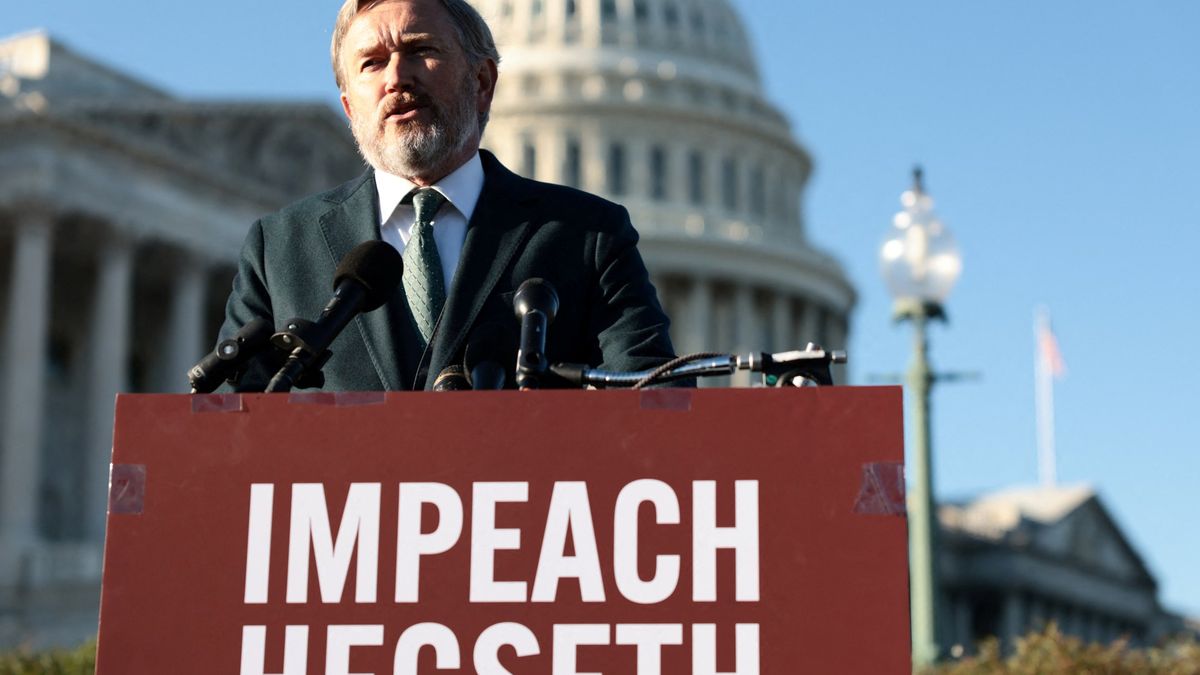
US Representative Thomas Massie has introduced a resolution in the House of Representatives to impeach Defense Secretary Pete Hegseth. The resolution, filed shortly after midterm elections that saw Democrats gain control of both congressional chambers, accuses Hegseth of numerous violations, including waging an unauthorized war on Iran, causing civilian harm from a bombing of a school in Minab, Iran, conducting extrajudicial killings through strikes on alleged narcotics boats, the abduction of former Venezuelan President Nicolas Maduro, and an unlawful war in Yemen against the Houthis. This move sets the stage for a significant confrontation between the incoming Democratic majority and the outgoing administration, with Hegseth himself stating defiance and readiness to defend his actions.
At its core, this impeachment effort is a stark illustration of the perennial struggle between the executive and legislative branches over the authority to wage war. The US Constitution grants Congress the power to declare war, a check intended to prevent unilateral executive action. However, successive administrations have increasingly relied on interpretations of existing authorizations or inherent executive power to deploy military force without explicit congressional approval. Massie's resolution directly challenges this trend, citing the War Powers Resolution as the constitutional mandate violated by Hegseth's actions in Iran and Yemen.
The political calculus behind this move is multifaceted. For Representative Massie, an outgoing Republican with a history of criticizing the administration's foreign policy, it represents a final, principled stand against what he perceives as executive overreach and unlawful military engagements. His willingness to welcome votes from any lawmaker, regardless of their detailed understanding of the articles, underscores a desire to see Hegseth removed, driven by policy disagreements that transcend party lines for some.
For the incoming Democratic Party leaders, particularly House Minority Leader Hakeem Jeffries, supporting Hegseth's impeachment serves several strategic purposes. It fulfills campaign promises to investigate the Trump administration, provides a potent tool for leverage against the outgoing executive, and signals a clear intent to reassert congressional oversight over foreign policy and military actions. This move also allows Democrats to capitalize on the acknowledged unpopularity of the war on Iran, which some administration officials have conceded likely contributed to Republican losses in the midterms. By championing accountability for the war's conduct, Democrats can position themselves as responsive to public sentiment and defenders of constitutional norms.
However, the path to conviction remains steep. While a simple majority in the House is needed to impeach, a two-thirds majority in the Senate (67 votes) is required for removal. With Democrats expected to hold around 54 seats, the numerical hurdle for conviction is significant, suggesting that while the impeachment process itself will be a major political event, its ultimate success in removing Hegseth is unlikely. This reality transforms the impeachment effort from a purely legal process into a powerful political statement and a mechanism for public inquiry, forcing the administration to publicly defend its actions.
Republican leadership, including House Speaker Mike Johnson, has dismissed the impeachment resolution as a
Defense Secretary Pete Hegseth faces impeachment over alleged unlawful orders and constitutional violations, including waging an unauthorized war on Iran, causing civilian harm, and conducting extrajudicial killings. These accusations stem from military actions taken by the administration without explicit congressional approval.
The primary accusations include initiating an unauthorized war on Iran, which allegedly led to a bombing of a school in Minab killing 150 people, including 120 children. Other charges involve extrajudicial killings from strikes on drug boats, the abduction of former Venezuelan President Nicolas Maduro, and an unlawful war in Yemen.
While the Democratic-controlled House could impeach Hegseth with a simple majority, removal requires a two-thirds majority (67 votes) in the Senate. With Democrats expected to hold around 54 seats, it is unlikely Hegseth will be removed, but the impeachment process will serve as a significant political and investigative tool.
Source referenced: ALJAZEERA
This brief was synthesized by our Editorial Engine and reviewed by The Ground Narrative team.


