TRENDING

Friday, 18 September 2026
----------------------
7 Rabi' Al-Thani 1448 AH
Thirty‑seven suspected illegal miners died in a civil‑defence detention centre in Niger State, sparking protests and exposing a web of bandit tax, global smuggling and state neglect. The tragedy reveals how mineral wealth, election politics and weak oversight converge on the backs of teenage workers.
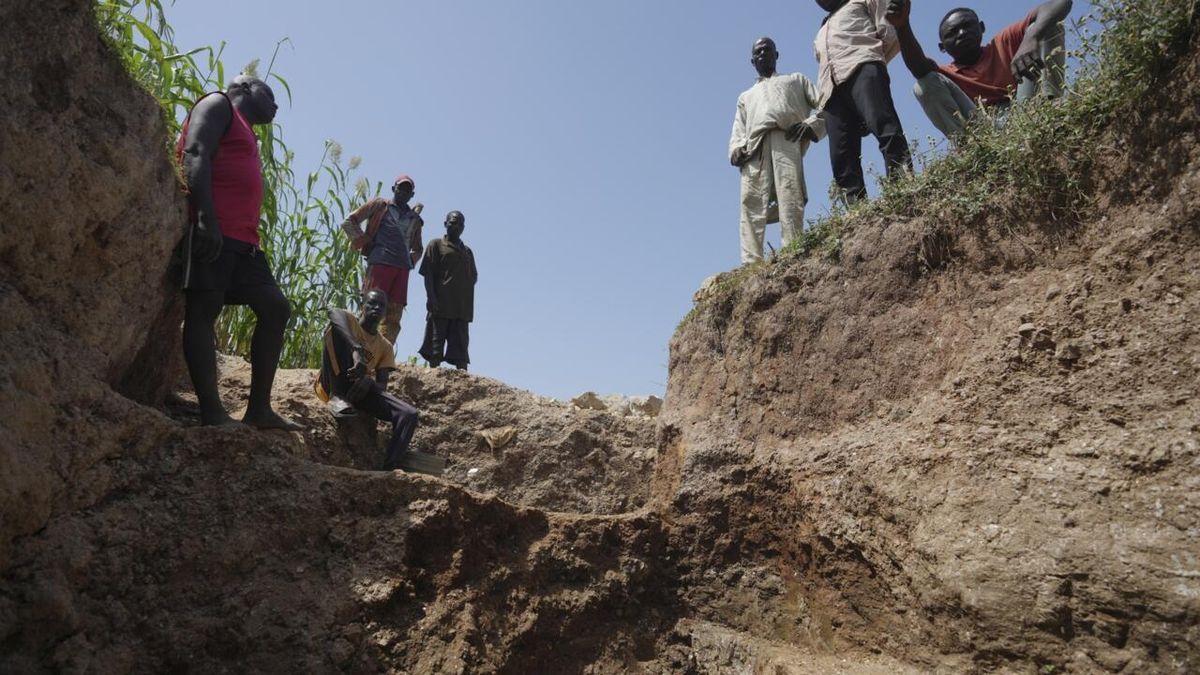
On September 17, 2026, a detention facility run by the Nigeria Security and Civil Defence Corps (NSCDC) in Minna, Niger State, was found littered with the bodies of 37 young men, most of them teenagers, who had been rounded up as suspected illegal miners. Authorities cite a disease outbreak, while an intelligence report points to lethal overcrowding and poor ventilation as the immediate cause.
Nigeria’s mineral belt, especially in Niger State, sits atop gold, lithium, copper and tantalite deposits that feed global tech and automotive supply chains. The formal sector cannot meet the soaring demand, leaving a vacuum that artisanal miners fill, often under the protection—or coercion—of local armed groups. These bandits levy a “tax” on extracted ore, guaranteeing a steady flow of raw material that is later smuggled to the United Arab Emirates and laundered into markets across Europe, the United States, Asia and South Africa.
The NSCDC’s mandate to protect critical national assets makes it a de‑facto gatekeeper for illegal mining sites. By detaining miners, the corps can claim to enforce law and order while simultaneously providing a revenue stream for local officials who benefit from the bandit‑tax ecosystem. The timing of the tragedy is also politically charged: Governor Mohammed Umaru Bago postponed his campaign launch for the January elections, suggesting that the incident could become a flashpoint in a highly contested vote.
Internationally, the scramble for lithium and other battery minerals has turned Nigeria into a peripheral node in the clean‑energy supply chain. Foreign investors and multinational corporations, eager to secure raw material, often turn a blind eye to the informal extraction that fuels their downstream profits, reinforcing a low‑cost, high‑risk extraction model that privileges capital over lives.
The victims were predominantly teenage boys from impoverished rural communities, lured by the promise of quick cash. Their families now face economic ruin, mourning children who were the primary earners for households already teetering on the brink of poverty. The loss ripples through local economies: school attendance drops as surviving youths abandon education for safer, albeit illegal, work; markets lose consumers; and community cohesion frays under the weight of grief and anger.
Women, often the unpaid caretakers, are left to identify bodies and navigate bureaucratic hurdles for burial, while the broader populace bears the psychological toll of witnessing state‑run facilities become death chambers. The protests in Minna, where miners and sympathisers damaged vehicles and shouted curses, underscore a collective sense of abandonment by a government that promises development but delivers neglect.
Official statements frame the deaths as an unfortunate disease outbreak, a narrative that downplays systemic negligence. What remains hidden is the symbiotic relationship between the NSCDC, local political elites, and criminal networks that profit from the illegal mining economy. The lack of transparent oversight allows the detention centre to operate under overcrowded, unsanitary conditions without accountability.
Moreover, the global supply chain’s reliance on Nigerian gold and lithium creates an incentive for foreign buyers to ignore human‑rights violations. While Western regulators increasingly demand traceability, the smuggling routes through the UAE remain opaque, allowing illicit ore to enter legitimate markets with minimal scrutiny. This tacit complicity shields both local power brokers and international corporations from responsibility.
Watch how the state‑ordered inquiry proceeds: will it result in concrete reforms, or become a perfunctory report that placates public outrage? The upcoming January elections could amplify the issue, as candidates may promise crackdowns on illegal mining to win rural votes, yet risk alienating the very networks that fund their campaigns.
Internationally, pressure from NGOs and consumer‑rights groups on the downstream tech industry could force tighter due‑diligence standards for Nigerian minerals. Any shift toward formalizing artisanal mining—through licensing, safety standards, and community benefit agreements—could disrupt the current profit model for bandits and corrupt officials.
Finally, monitor the response of the UAE and other transit hubs. If smuggling routes are exposed, sanctions or trade restrictions could ripple back to Nigeria, reshaping the calculus of illicit extraction. The human cost of today’s mineral rush will remain a barometer for how power—local, national, and global—chooses to value—or discard—ordinary lives.
Source referenced: FRANCE24
This brief was synthesized by our Editorial Engine and reviewed by The Ground Narrative team.