TRENDING

Sunday, 18 October 2026
----------------------
7 Jumada Al-Awwal 1448 AH
China's decision not to send its defense minister to the Shangri-La Dialogue signals a shift in its strategic approach, reflecting its growing confidence in its own power and desire to avoid direct public confrontation with the United States.
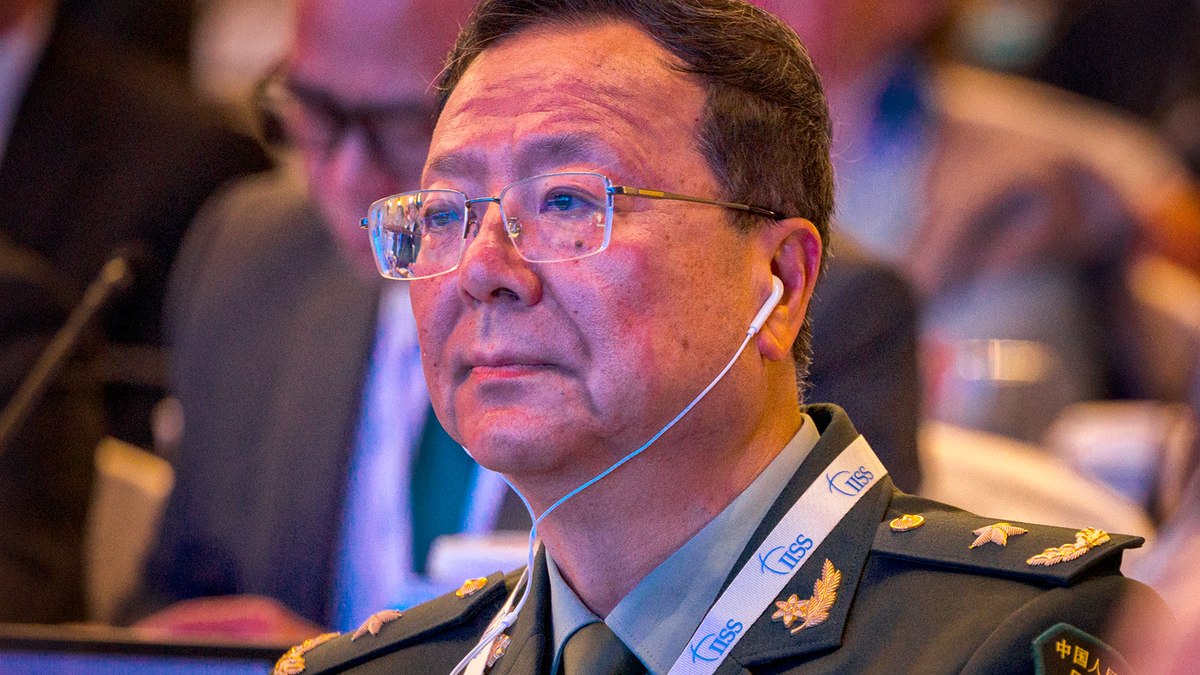
The recent Shangri-La Dialogue, a key security forum in Singapore, saw China's decision not to send its defense minister, Dong Jun, sparking attention and analysis from the international community. This move is a significant development, reflecting China's growing confidence in its own power and its desire to avoid direct public confrontation with the United States.
China first began participating in the Shangri-La Dialogue in 2007, with its defense minister attending in person until 2018. However, in 2019, China sent its defense minister, marking a significant shift in its approach. This year, China was represented by a National Defense University professor, Major General Meng Xiangqing, a lower level of representation than in previous years.
China's decision not to send its defense minister is a sign of its confidence in its own power and its desire to avoid direct public confrontation with the United States. By not attending, China is able to maintain a minimal presence at the forum, avoiding the risk of creating new points of controversy. This approach is particularly significant given the sensitive nature of issues such as Taiwan, the South China Sea, and China-Japan tensions.
China's decision has implications for the regional security landscape. By not attending, China is able to focus on its own security concerns, such as the Taiwan Strait and the South China Sea, without being drawn into a confrontation with the United States. This approach also allows China to maintain its position as a key player in the region, while avoiding the risk of being seen as confrontational.
The consequences of China's decision will be significant. By not attending the Shangri-La Dialogue, China is able to maintain a low profile, avoiding the risk of creating new points of controversy. However, this approach also means that China will be seen as less engaged in regional security issues, potentially undermining its position as a key player in the region.
China's decision not to send its defense minister to the Shangri-La Dialogue is a significant development, reflecting its growing confidence in its own power and its desire to avoid direct public confrontation with the United States. This approach has implications for the regional security landscape, and will be closely watched by the international community.
Editor's Note: While China's decision not to send its defense minister to the Shangri-La Dialogue is a significant development, the motivations behind this decision are not entirely clear. It is possible that China's military is undergoing a period of reorganization, and that this decision is part of a broader strategic shift.
Source referenced: FOREIGNPOLICY
This brief was synthesized by our Editorial Engine and reviewed by The Ground Narrative team.