TRENDING

Sunday, 18 October 2026
----------------------
7 Jumada Al-Awwal 1448 AH
China's coal mining industry is plagued by safety issues, corruption, and environmental concerns, highlighting the country's struggle to balance economic growth with human and environmental costs.
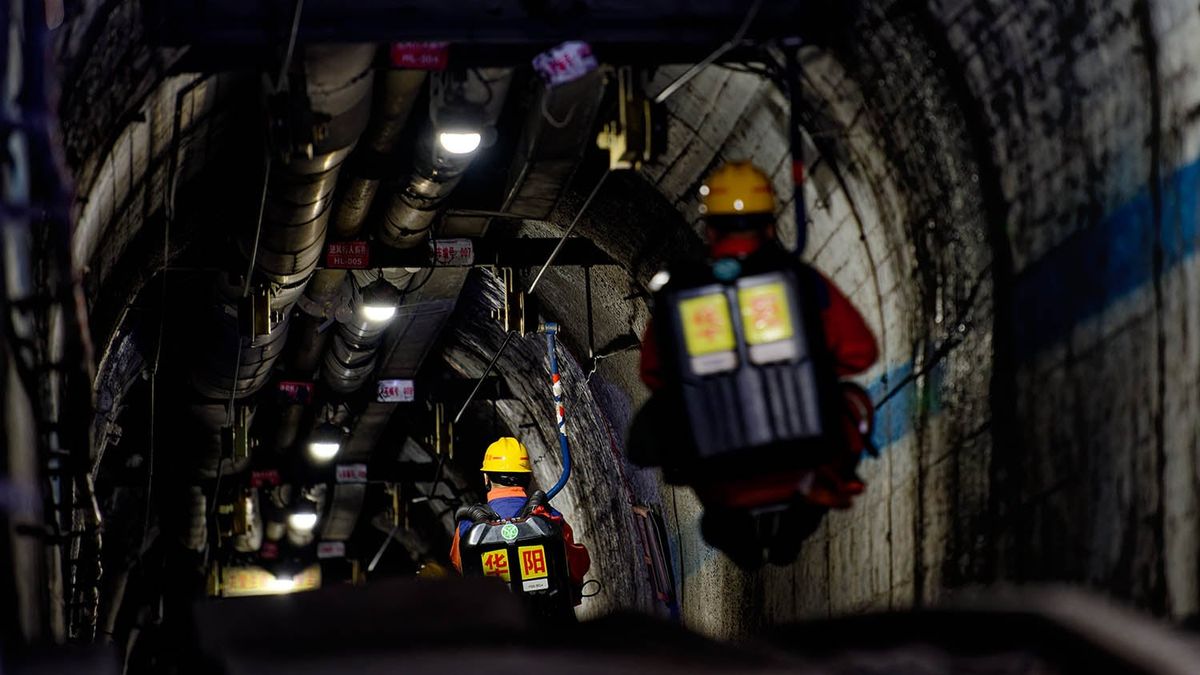
China's coal mining industry has long been touted as a success story of government-led safety reform. However, two recent fatal disasters in the Liushenyu coal mine in Shanxi province and an illegal operation in Yunnan province have exposed the enduring problems in the mining industry.
On May 22, an explosion at the Liushenyu coal mine killed at least 82 people, making it China's worst mining accident in over 15 years. The official handling of the disaster followed a familiar pattern, with local authorities initially downplaying the casualties before the central government took over the investigation and published higher death tolls. This pattern is a stain on officials' records and often leads to prosecutions of low-level staff, creating strong incentives to suppress news about major accidents.
On Sunday, an illegal operation in Yunnan province collapsed, killing five people. This incident highlights the ongoing problem of illegal mining in China, which is often linked to rare earths production. The lack of regulation and oversight in these operations puts the lives of miners at risk.
China's safety reforms, launched in 2005, have undoubtedly saved lives. However, the reduction in fatalities was due in part to statistical manipulation. Unregistered workers were often excluded from official counts, local governments systematically underreported fatalities, and some deaths were reclassified as due to natural disasters rather than safety failures. Today, outright illegal mines are less common than illegal production within ostensibly legal operations.
Many mines maintain so-called black faces – zones where output isn't recorded to evade quotas and taxation. Large mines are honeycombed with unmapped tunnels staffed by unregistered workers. At Liushenyu, only 124 of the 247 miners present during the explosion were employed legally. Those working in illegal operations are typically older, less qualified, and lack basic safety equipment.
Mine owners have substantial incentives to rely on undocumented labor and circumvent regulations. By producing as much as three times their official output and selling the surplus on the black market, they can increase their profits. Regulatory officials often turn a blind eye to illegal practices and are known to leak inspection schedules to mine owners, who can then put on a Potemkin facade.
The latest disasters will almost certainly lead to tightened enforcement of regulations, at least until the authorities turn their attention elsewhere. In the long term, China's green transition may reduce the need for coal. In 2025, coal power generation declined for the first time in over 50 years. However, coal still supplies a majority of China's electricity, and production is at record highs. Stricter enforcement would mean a drop in production—and that may be a hard price to pay amid a global energy crisis.
The coal mining industry is a significant contributor to China's economic growth, but it also poses environmental and health risks. The country's struggle to balance economic growth with human and environmental costs has significant regional implications. China's neighbors, particularly those in Southeast Asia, are concerned about the environmental impact of China's coal mining activities.
The future consequences of China's coal mining industry are uncertain. While the country's green transition may reduce the need for coal, the industry's environmental and health risks will continue to pose challenges. The government's response to the latest disasters will be crucial in determining the industry's future. If the government fails to address the underlying issues, the consequences will be severe, both for the miners and the environment.
China's coal mining industry is a complex issue that requires a nuanced approach. While the government's safety reforms have undoubtedly saved lives, the industry's safety record remains a concern. The latest disasters highlight the need for stricter enforcement of regulations and greater transparency in the industry. The future consequences of China's coal mining industry will depend on the government's response to these challenges.
Editor's Note: The analysis is based on publicly available information and may not reflect the full complexity of the issue.
Source referenced: FOREIGNPOLICY
This brief was synthesized by our Editorial Engine and reviewed by The Ground Narrative team.