TRENDING

Tuesday, 6 October 2026
----------------------
25 Rabi' Al-Thani 1448 AH
When the Strait of Hormuz disruption hit, Beijing let state and private refineries absorb the pain while keeping retail fuel prices stable. The strategy reshaped profit margins, employment, and the global oil market.
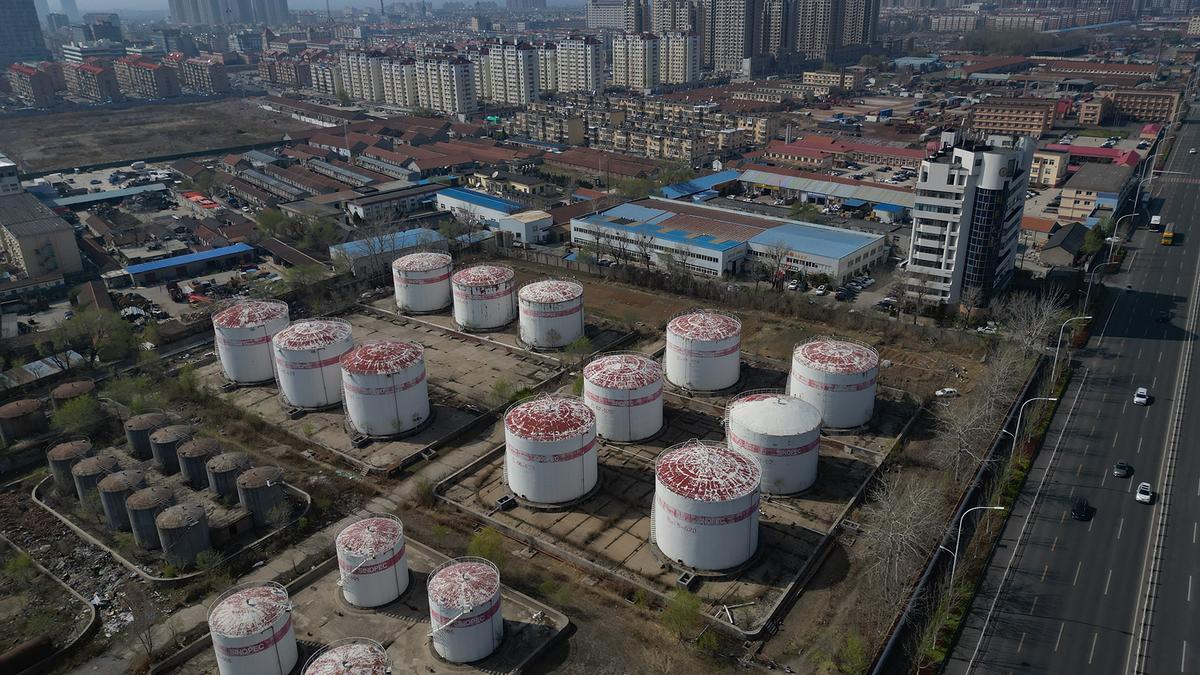
In February 2026 the International Energy Agency labeled the Hormuz disruption as the largest supply shock in oil market history. Within weeks China, the world’s biggest crude importer, saw its daily imports tumble from roughly 12 million barrels to a low of 7.1 million barrels in June – the weakest level in a decade. The cut was not a top‑down decree; instead, refiners, both state‑owned and privately run, voluntarily throttled purchases and throughput. By July the country began a tentative import rebound, but volumes remained well below pre‑crisis norms through September.
For ten years Beijing has built a strategic oil reserve equivalent to about 120 days of pre‑war imports, roughly 1.4 billion barrels. This stockpile gave refiners a cushion to absorb price spikes without scrambling for expensive spot cargoes. When the Hormuz shock hit, the reserves allowed the government to keep retail price caps in place while letting market participants shoulder the loss.
State‑owned refiners can absorb short‑term losses because they answer to central planners and have access to cheaper financing. Private “teapot” refineries in Shandong, however, operate on thin margins and rely on discounted crude to stay profitable. As spot prices surged past $100 a barrel, many of these small plants faced negative refining margins of $24‑$25 per barrel, prompting them to cut throughput dramatically. The government’s refusal to force output cuts, coupled with a threat to slash import quotas, forced private operators to negotiate limited production cuts with officials.
China’s administered pricing system, codified in the Petroleum Price Management Measures, caps how fast retail fuel prices can rise. In March and again in late March the state raised the ceiling but stopped short of passing the full cost to consumers. Simultaneously, the rapid expansion of electric vehicles displaced about 1.35 million barrels per day, shifting demand from fuel to petrochemical feedstocks. This structural change turned a potential fuel shortage into an industrial adjustment problem that the state could manage through supply‑side policies, such as diversifying petrochemical raw materials and directing refinery output toward domestic needs.
Chinese leaders framed the Hormuz shock as a macro‑economic stability issue rather than a pure energy security crisis. A sharp rise in gasoline prices could ignite public discontent at a time of weak job creation and stagnant wages. By containing price hikes and concentrating the pain within the refining sector—an industry already under pressure—the government protected broader social stability while preserving its political legitimacy.
When private refineries slashed output, hundreds of workers in Shandong and other coastal provinces faced reduced hours or layoffs. Many of these employees lack the social safety nets enjoyed by state‑sector staff, leaving families vulnerable to income loss. The sudden drop in refinery throughput also strained local service economies that depend on plant payrolls, from food vendors to transport operators.
Although retail fuel prices were capped, the ceiling was still higher than pre‑crisis levels, meaning households paid more at the pump. Moreover, the cap limited the ability of market forces to lower prices when crude costs fell, effectively keeping consumers locked into higher rates for months. The higher cost of refined products also filtered into the price of plastics, fertilizers, and other everyday goods, subtly raising living expenses for ordinary citizens.
China’s shift toward petrochemical feedstock demand meant that plants in the Yangtze River Delta and the Pearl River Delta saw fluctuating production schedules. Workers in these complexes experienced erratic overtime and wage adjustments as firms balanced inventory levels against volatile crude prices. The uncertainty compounded existing concerns about job security in a region already grappling with a slowdown in manufacturing output.
Beijing’s public statements emphasized the success of its strategic reserves and the stability of retail fuel prices, rarely mentioning the financial strain on private refiners. By framing the situation as a controlled, government‑led response, officials sidestepped the reality that many small‑scale operators were operating at a loss and required tacit state permission to stay afloat.
The U.S. Energy Information Administration noted that China’s import reduction eased upward pressure on global oil prices, benefitting exporters and consumers elsewhere. This positive externality is rarely highlighted in Chinese media, which prefers to portray the country as a resilient consumer rather than a market‑softening force.
The rapid cut in crude imports forced some refineries to run at lower efficiency, increasing per‑barrel emissions for the units that remained online. Meanwhile, the push to replace lost fuel demand with petrochemical products intensified the use of feedstocks derived from naphtha, a process with a higher carbon intensity than traditional fuel production. These environmental side‑effects are largely omitted from official briefings.
- Import trajectory: Watch whether China resumes pre‑crisis import levels in the fourth quarter or continues a cautious approach, which will signal confidence in domestic buffers and affect global price dynamics.
- Refinery profitability: Monitor earnings reports from major state‑owned refiners and the financial health of private “teapot” plants; a wave of bankruptcies could reshape the industry’s ownership structure.
- Policy adjustments: Any relaxation of the petroleum price ceiling or new subsidies for petrochemical feedstocks would indicate a shift in the government’s balance between social stability and industrial profit.
- Electrification pace: Faster EV adoption would further reduce fuel demand, potentially turning the oil shock into a longer‑term structural decline for crude imports.
- International ripple effects: Observe how other major importers, such as India and the EU, respond to China’s reduced demand, especially in negotiations over OPEC production cuts and future supply‑chain diversification.
By keeping an eye on these indicators, observers can gauge whether Beijing’s strategy of insulating the public while letting refiners bear the brunt will hold, or if hidden pressures will surface in the form of factory closures, job losses, or renewed consumer unrest.
State and private refiners reduced purchases to protect margins after spot prices spiked, using strategic reserves as a buffer. The government allowed the market to self‑adjust while keeping retail price caps.
Retail fuel prices rose within capped limits, and higher refined‑product costs filtered into everyday goods like plastics and fertilizers, subtly increasing living expenses for households.
The expanding EV fleet displaced about 1.35 million barrels of oil per day, shifting demand from fuel to petrochemical feedstocks and reducing overall crude import needs.
Source referenced: FOREIGNPOLICY
This brief was synthesized by our Editorial Engine and reviewed by The Ground Narrative team.