TRENDING

Thursday, 12 November 2026
----------------------
2 Jumada Al-Thani 1448 AH
An upgraded China-Peru free trade agreement started this month, renewing key chapters of the 2010 pact. The deal promises new market access but also brings hidden risks for ordinary Peruvians.
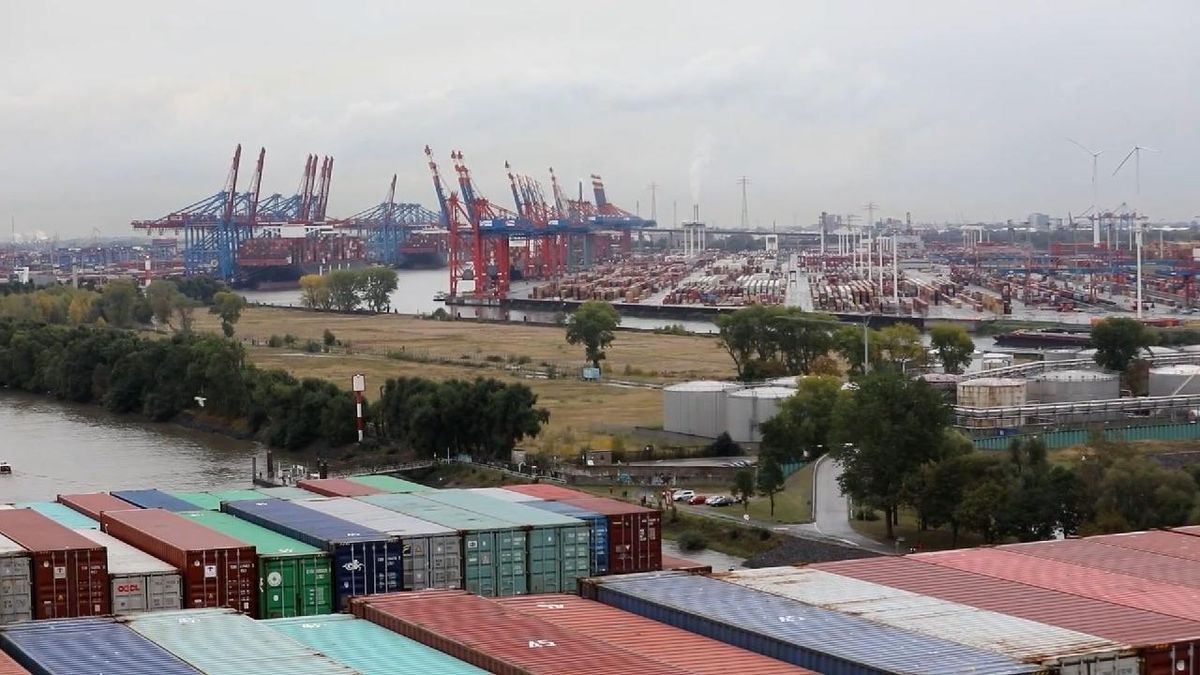
An upgraded free trade agreement between China and Peru entered into force in November 2026, reviving seven chapters of the original 2010 pact. The renewal follows three years of negotiations that aimed to modernise tariff schedules, expand services, and deepen investment protections. Both capitals announced the move as a win for bilateral commerce, citing expected growth in agricultural exports and mineral shipments.
The agreement sits at the crossroads of three strategic calculations. First, China seeks to secure a steady flow of copper, lithium, and other minerals essential for its renewable‑energy push, while also opening a new outlet for its manufactured goods in a market traditionally dominated by the United States and the European Union. Second, Peru’s government, still recovering from a series of fiscal deficits, views the pact as a catalyst for foreign direct investment, hoping that Chinese capital will fund new mining projects and infrastructure upgrades without the stringent conditions attached to Western loans. Third, the deal serves a political purpose for Lima’s leadership: by delivering a high‑profile international agreement, the president can claim economic competence ahead of the 2027 elections, while simultaneously signalling to domestic business elites that the state is open for trade.
The mechanics of the pact are deliberately asymmetric. Tariff reductions on Peruvian agricultural products—such as avocados, quinoa, and blueberries—are matched with a broader liberalisation of Chinese industrial exports, ranging from electronics to textiles. Investment clauses grant Chinese firms “national treatment” status, allowing them to operate on equal footing with local companies, but also give them the right to sue the Peruvian state under international arbitration if policies are perceived as hostile. This legal shield has been used in other Latin American contexts to challenge environmental regulations, suggesting a potential avenue for future disputes.
Peruvian smallholders, who have long relied on niche export markets, now confront a flood of cheap Chinese produce. While lower‑priced imports can benefit urban consumers, they depress farmgate prices, squeezing profit margins for families that lack the scale to compete. Many risk abandoning traditional crops for lower‑yield cash crops or leaving agriculture altogether.
The promise of new Chinese‑backed mines raises the spectre of water contamination, deforestation, and forced displacement in the Andes and the Amazon basin. Past projects have left indigenous villages without clean drinking water, and the arbitration clauses in the agreement make it harder for local courts to halt expansions that breach environmental standards.
In Lima’s factories, Chinese machinery and management practices could boost productivity, but they also bring a race to the bottom on wages. Labor unions warn that the “national treatment” provision may limit Peru’s ability to enforce minimum‑wage laws or collective‑bargaining rights, potentially eroding hard‑won labor gains.
Although the pact is presented as a source of investment, many of the promised projects are financed through Chinese state‑owned banks. These loans often carry higher interest rates and shorter repayment periods than multilateral development bank financing, raising the risk of a debt trap that would ultimately be paid by taxpayers.
Official statements highlight trade growth, yet they downplay the strategic leverage China gains over Peru’s policy space. By embedding investor‑state dispute settlement (ISDS) mechanisms, the agreement gives Beijing a legal foothold to challenge any regulation that threatens its commercial interests, from stricter mining permits to new labor protections.
Another omitted angle is the reaction of the United States. Washington has quietly warned regional partners about growing Chinese economic influence, but public diplomatic channels have remained muted to avoid overt confrontation. The silence masks a broader contest for influence in Latin America, where the U.S. traditionally views the region as a sphere of strategic interest.
Corporate lobbying also stays in the shadows. Several Peruvian agribusiness conglomerates have lobbied for the renewal, hoping to secure cheaper inputs from China, while simultaneously pressuring the government to relax environmental oversight. Their role is rarely mentioned in official press releases, which focus instead on macro‑economic benefits.
Finally, the narrative of “win‑win” neglects the gendered impact of the deal. Women who dominate Peru’s informal agricultural sector are disproportionately affected by price drops, yet gender‑impact assessments are absent from the agreement’s annexes.
- Commodity flows: Track copper and lithium shipments from the Andes to Chinese ports; spikes could signal deeper mining expansion.
- Legal challenges: Monitor any ISDS cases filed by Chinese investors, especially those involving environmental or labor regulations.
- Political fallout: Watch the 2027 Peruvian elections for candidates who either champion the pact or campaign on renegotiating its terms.
- U.S. response: Look for new trade initiatives or aid packages aimed at counterbalancing Chinese influence in the region.
- Social movements: Grassroots protests by farmers, indigenous groups, and labor unions will indicate how the agreement’s promises are felt on the ground.
By keeping an eye on these indicators, ordinary citizens can gauge whether the China-Peru free trade agreement delivers the promised prosperity or deepens existing inequities.
Agriculture, mining, and manufacturing are the primary sectors. Farmers face cheaper imports, miners see new Chinese investment, and factories may adopt Chinese technology.
The pact includes investor‑state dispute settlement clauses that allow Chinese firms to sue the Peruvian government in international tribunals if policies are deemed unfavourable.
Washington has signalled concern privately, and analysts expect new trade or aid initiatives aimed at counterbalancing Chinese influence in the region.
Source referenced: CGTN
This brief was synthesized by our Editorial Engine and reviewed by The Ground Narrative team.


