TRENDING

Friday, 16 October 2026
----------------------
5 Jumada Al-Awwal 1448 AH
Violent protests erupt in Chile over government cuts to social programmes, sparking concerns about the country's democratic stability and regional implications.
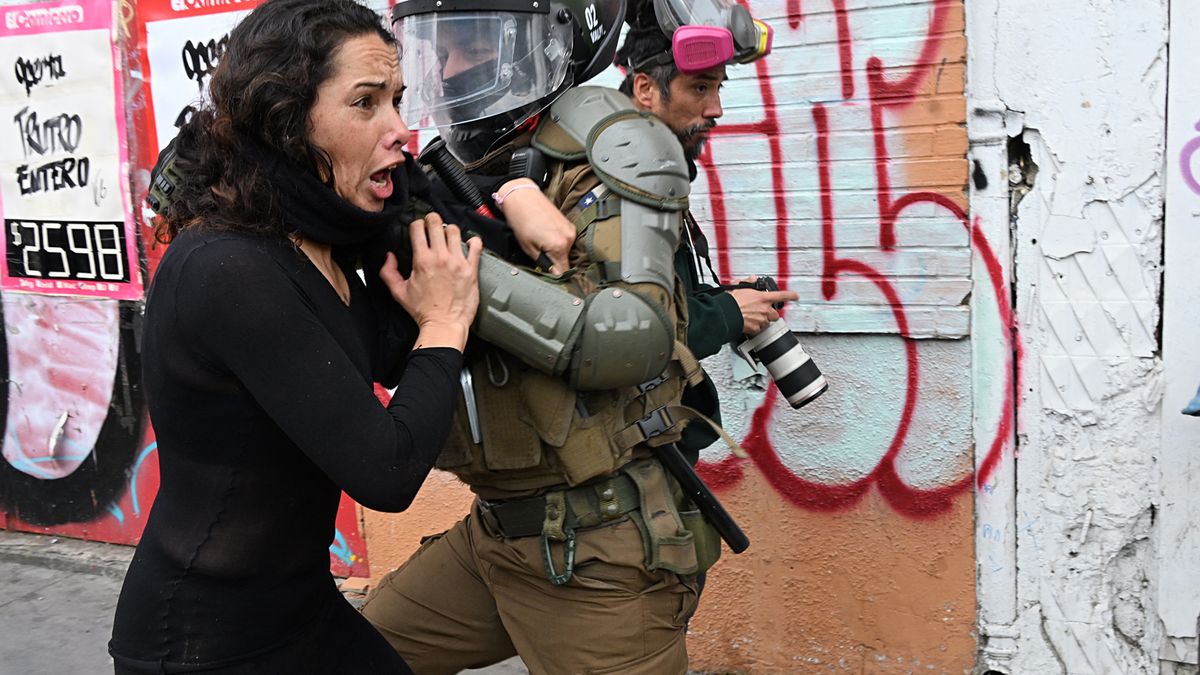
Chile, a country known for its economic stability and democratic governance, is facing a growing social crisis. The recent violent protests in Valparaiso, sparked by President Jose Antonio Kast's government cuts to social programmes, have sent shockwaves throughout the region.
Chile has a long history of social unrest, dating back to the 1973 military coup that overthrew the democratically-elected government of Salvador Allende. Since then, the country has experienced periods of relative stability, but also recurring social movements and protests. The 2019-2020 protests, which were sparked by a hike in metro fares, led to widespread demonstrations and calls for systemic change.
President Kast's government has been implementing a series of austerity measures, aimed at reducing the country's fiscal deficit and promoting economic growth. However, these measures have been met with fierce resistance from labour unions, student groups, and other social organizations. The government's decision to cut social programmes, including public healthcare and education, has been seen as a direct attack on the country's social fabric.
The protests in Chile have significant regional implications. The country is a key player in the Pacific Alliance, a regional economic bloc that includes Mexico, Peru, and Colombia. The social unrest in Chile could undermine the bloc's stability and create opportunities for other regional powers, such as Brazil and Argentina, to exert their influence.
The future consequences of the protests in Chile are uncertain. However, one possible outcome is that the government will be forced to reconsider its austerity measures and engage in a more inclusive dialogue with social organizations. This could lead to a more stable and equitable society, but also risks exacerbating the country's economic problems.
The protests in Chile matter because they highlight the growing social and economic inequalities in the region. The country's experience serves as a warning to other governments in the Americas, which are facing similar challenges. The protests also underscore the need for more inclusive and participatory governance, which can help to address the root causes of social unrest.
Editor's Note: The analysis is based on available information and may be subject to change as new developments emerge.
Source referenced: ALJAZEERA
This brief was synthesized by our Editorial Engine and reviewed by The Ground Narrative team.