TRENDING

Sunday, 25 October 2026
----------------------
14 Jumada Al-Awwal 1448 AH
A Ukrainian long-range strike on an Iranian commercial vessel in the Caspian Sea has escalated the conflict, prompting Tehran to warn of retaliation and accuse Israel of provocation. The incident marks a significant expansion of the conflict's geographical scope, raising concerns about regional stability and maritime security.
A recent Ukrainian strike on an Iranian commercial vessel in the Caspian Sea has ignited a new front in the ongoing conflict, drawing a stern warning of retaliation from Tehran and raising significant geopolitical concerns. The incident, which occurred on Saturday, July 26, 2026, marks a notable expansion of the conflict's geographical scope and introduces fresh complexities into regional stability and international maritime law.
According to Iran's Ministry of Foreign Affairs, the Ukrainian attack caused the commercial vessel to explode, resulting in the death of one sailor and injuries to several others. Iran's Foreign Minister Abbas Araghchi swiftly condemned the strike, asserting on Sunday, July 27, 2026, that it “cannot go unanswered” and constitutes a violation of the United Nations Charter. Tehran has summoned Ukraine's charge d'affaires, protesting what it termed a “hostile and criminal act.”
Conversely, Ukrainian President Volodymyr Zelenskyy confirmed that Ukraine had achieved “very strong results” with long-range strikes in the Caspian Sea. He stated that targets included “vessels used in military cargo shipments involving Iran, as well as a warship,” implying the strike was aimed at disrupting military logistics. Ukraine has consistently accused Iran of supplying thousands of Shahed drones to Russia since the full-scale invasion began in 2022, aiding Moscow's air attacks. Zelenskyy further alleged active Russian satellite surveillance of Gulf states and U.S. military facilities, with images subsequently appearing in Iran, suggesting ongoing military intelligence cooperation.
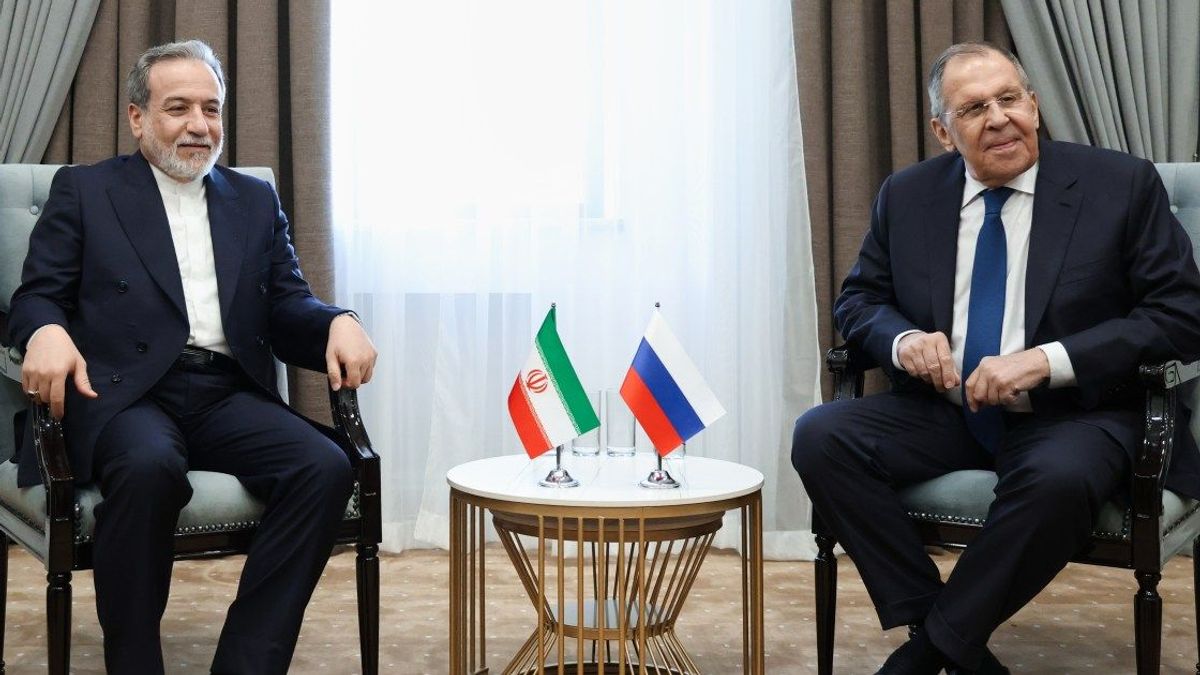
Iran, however, vehemently denies any intervention in the conflict between Russia and Ukraine. Foreign Minister Araghchi, in calls with EU foreign policy chief Kaja Kallas and Russian Foreign Minister Sergey Lavrov, also accused Israel of provoking the attack in an attempt to “drag Europe into its war,” adding another layer of geopolitical intrigue to the incident.
The strike in the Caspian Sea represents a significant escalation for several reasons. Firstly, it extends the operational reach of the Ukraine conflict into a body of water traditionally considered a relatively stable zone shared by Russia, Iran, Azerbaijan, Kazakhstan, and Turkmenistan. Any militarization or direct conflict in the Caspian could destabilize energy routes, maritime trade, and regional security arrangements.
Secondly, the incident underscores the deepening strategic alignment between Russia and Iran. Russian Foreign Minister Sergey Lavrov offered condolences over the sailor's death and condemned the “adventures by the Kyiv regime,” reinforcing Moscow's support for Tehran. This alignment, driven by shared geopolitical interests and opposition to Western influence, is a critical factor in the evolving global power landscape. Ukraine's targeting of vessels allegedly involved in military cargo shipments highlights its strategic objective to disrupt this perceived axis of support.
Thirdly, Iran's strong rhetoric, including warnings from senior lawmaker Ebrahim Azizi on Monday, July 28, 2026, that “Ukraine, too, may soon come to understand that Iran does not let actions go unanswered,” signals a potential for direct or indirect retaliation. Such a response could further broaden the conflict, potentially drawing in other actors or escalating tensions in the Middle East, especially given Iran's accusation against Israel. The reference to the “US and Israel” being aware of the cost of attacking Iran suggests Tehran views this incident within a broader framework of regional rivalries.
The diplomatic fallout is already evident. Iran's engagement with both the EU and Russia indicates its efforts to manage international perceptions and garner support. While Russia has sided with Iran, the EU's stance remains crucial, particularly given Iran's accusation against Israel and its potential implications for European security interests.
The incident also raises questions about the rules of engagement and the targeting of commercial vessels in international or disputed waters. Iran's invocation of the UN Charter suggests a legal challenge to Ukraine's actions, regardless of the alleged cargo.
Looking ahead, the Caspian Sea strike could lead to several outcomes:
* Direct Retaliation: Iran might respond directly against Ukrainian interests or assets, or indirectly through proxies.
* Increased Russia-Iran Cooperation: The incident could solidify the military and strategic partnership between Moscow and Tehran, leading to more overt support or joint actions.
* Heightened Regional Tensions: The accusation against Israel and the potential for Iranian retaliation could exacerbate existing tensions in the Middle East, potentially linking the Ukraine conflict more directly to regional flashpoints.
* Maritime Security Concerns: All littoral states of the Caspian Sea will likely reassess their maritime security protocols and potentially increase their military presence, leading to a more militarized environment.
The strike on the Iranian vessel in the Caspian Sea represents a dangerous expansion of the Ukraine conflict, with far-reaching implications for regional stability, international maritime law, and the complex web of geopolitical alliances and rivalries. The international community will closely watch Iran's response and the subsequent actions of all parties involved, as this incident has the potential to reshape strategic calculations across multiple theaters.
Source referenced: ALJAZEERA
This brief was synthesized by our Editorial Engine and reviewed by The Ground Narrative team.