TRENDING

Wednesday, 21 October 2026
----------------------
10 Jumada Al-Awwal 1448 AH
Canada is grappling with one of its most severe wildfire seasons, prompting an 'all-hands-on-deck' national response and highlighting the profound impacts of climate change. The crisis extends beyond national borders, affecting air quality in major U.S. cities and underscoring the interconnectedness of environmental challenges.
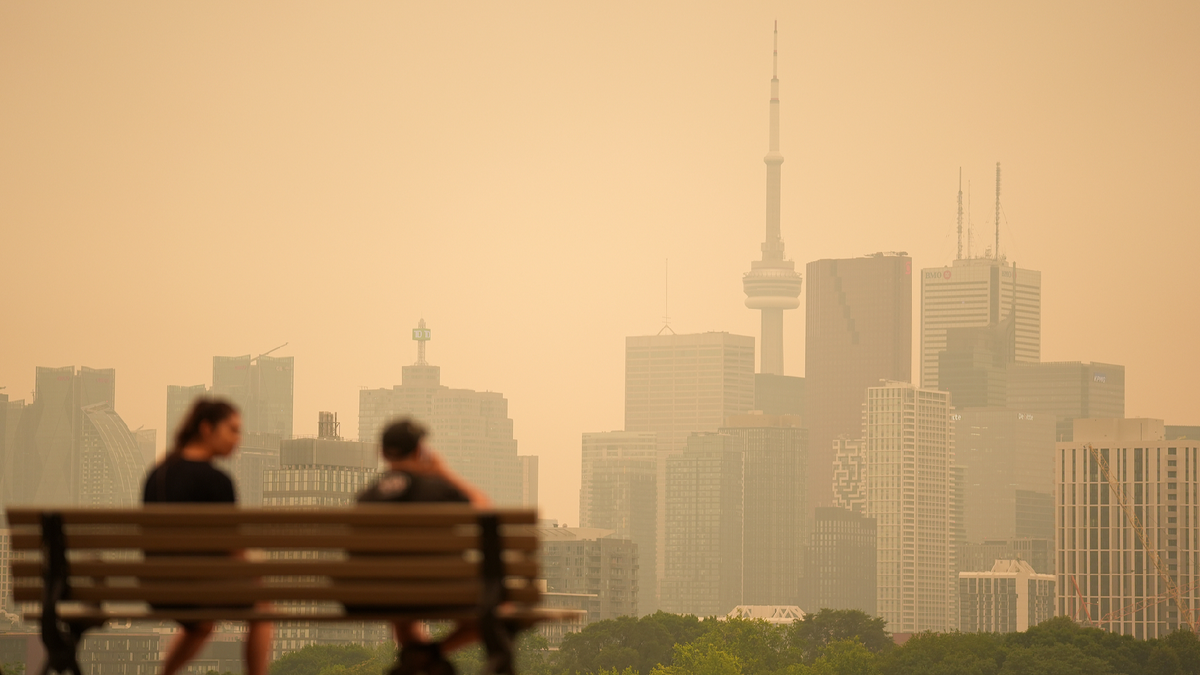
Canada is currently enduring one of the most intense wildfire seasons in its recorded history, a crisis that has rapidly escalated due to persistent extreme heatwaves and drought conditions. As of July 19, 2026, the nation's preparedness level has reached Level 4, signaling a significant mobilization of shared resources across multiple jurisdictions to combat the widespread blazes. This environmental catastrophe is not merely a domestic concern but presents a complex geopolitical challenge with regional and international implications.
Canadian Prime Minister Mark Carney has underscored an "all-hands-on-deck" approach to address the crisis, particularly highlighting the devastating situation in Northwestern Ontario. This region has seen more than 10 communities forced to evacuate, with Indigenous communities disproportionately affected by the widespread displacement. The scale of the emergency is immense: over 3,800 wildland fires have been recorded this year, consuming more than 2.9 million hectares of forest. Currently, 971 active wildfires rage nationwide, with 239 deemed completely "out of control."
In response, the Canadian government has deployed over 5,300 firefighting personnel and nearly 300 aircraft. Crucially, the response integrates modern technological tools, including data analytics, drones, and advanced thermal imaging, to enhance real-time fire detection and mitigation efforts. This strategic embrace of technology reflects an evolving approach to disaster management, aiming to improve efficiency and effectiveness in combating large-scale environmental threats.
The primary drivers behind this unprecedented wildfire season are extreme heatwaves and prolonged drought. These conditions, increasingly linked to broader climate change patterns, create an environment highly susceptible to ignition and rapid fire spread. Canada, with its vast boreal forests, is particularly vulnerable to such climatic shifts. The escalating frequency and intensity of these events underscore the urgent need for robust climate adaptation strategies and international cooperation on emissions reduction. The current crisis serves as a stark reminder of how climate change translates into tangible, immediate threats to national security, public health, and economic stability.
The impact of Canada's wildfires extends far beyond its national borders. Thick plumes of smoke originating from the blazes have drifted southward, triggering severe air quality alerts across major U.S. cities. This transboundary environmental phenomenon highlights the interconnectedness of North American ecosystems and the shared vulnerability to climate-induced disasters. Such events often necessitate bilateral discussions and potential cooperation on air quality monitoring, public health advisories, and even resource sharing for firefighting efforts, thereby influencing diplomatic relations between Canada and the United States.
Furthermore, the forced evacuation of numerous communities, particularly Indigenous ones, raises significant humanitarian and social justice concerns. These communities often reside in remote, forested areas, making them highly susceptible to environmental hazards and challenging to evacuate and support. The crisis tests the government's capacity to protect its most vulnerable populations and ensure equitable access to emergency services and long-term recovery support.
The economic ramifications of such extensive wildfires are substantial. The destruction of millions of hectares of forest impacts the forestry industry, biodiversity, and carbon sequestration efforts. The costs associated with firefighting, emergency response, and post-fire recovery are immense, placing a significant strain on national and provincial budgets. Beyond direct economic losses, the disruption to daily life, health impacts from poor air quality, and the psychological toll on affected communities represent a profound societal burden.
Canada's current wildfire crisis is a microcosm of a global trend where climate change is increasingly manifesting as a direct threat to national stability and international relations. It underscores the growing importance of climate resilience as a core component of national security. The ability of a nation to effectively respond to such large-scale disasters, protect its citizens, and manage cross-border environmental impacts will increasingly define its governance capacity and international standing. As these events become more frequent and severe globally, they will likely drive greater international collaboration on disaster preparedness, climate science, and sustainable resource management, reshaping geopolitical priorities and alliances.
Source referenced: CGTN
This brief was synthesized by our Editorial Engine and reviewed by The Ground Narrative team.