TRENDING

Tuesday, 13 October 2026
----------------------
2 Jumada Al-Awwal 1448 AH
The Alberta separatist referendum has sparked concerns about external interference, with some speculating that Trump's government may be influencing the movement. We analyze the strategic motivations, historical context, and regional implications of this development.
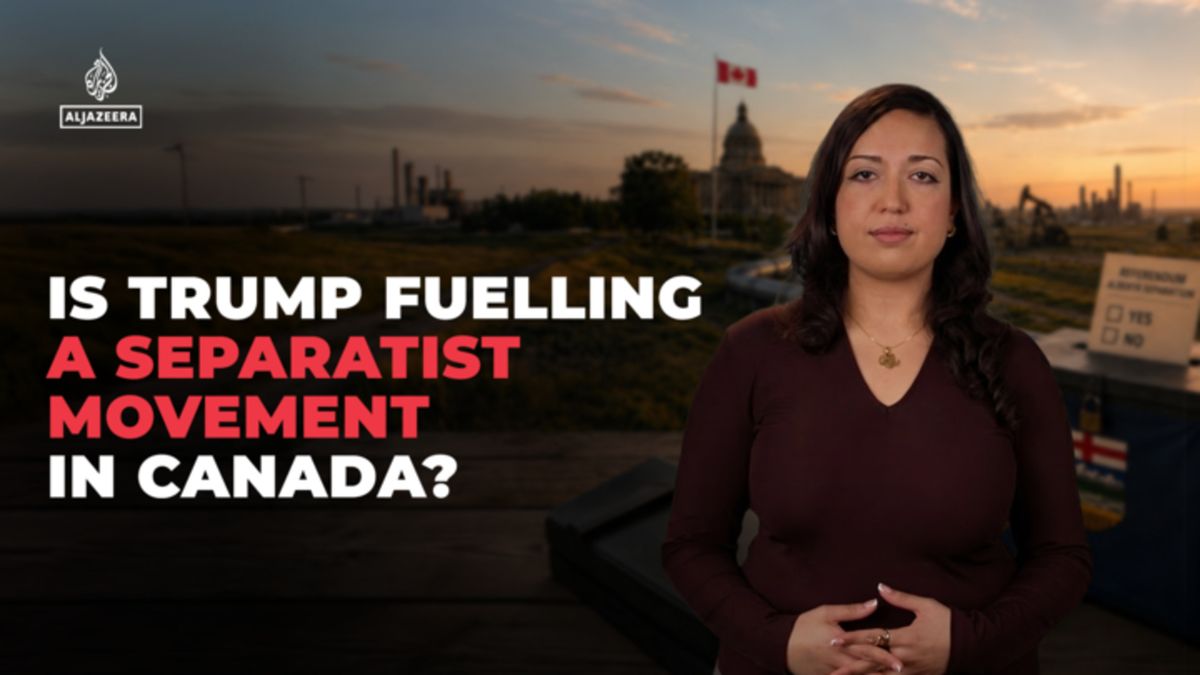
The upcoming Alberta separatist referendum has sent shockwaves across the Canadian political landscape. The vote, driven by anger over energy policy, conservative politics, and growing tensions with Ottawa, has raised questions about external interference. Specifically, some have speculated that the Trump government may be influencing the movement. In this analysis, we will delve into the strategic motivations, historical context, and regional implications of this development.
The separatist movement in Alberta has its roots in the province's long-standing tensions with the federal government. Alberta has historically been a stronghold of conservative politics, and the province has long felt underrepresented in Ottawa. The recent energy policy disputes, including the contentious Trans Mountain pipeline expansion, have further exacerbated these tensions. The Trump government's vocal support for the pipeline expansion and its criticism of Canadian energy policy have likely contributed to the growing sense of frustration among Albertans.
The Trump government's potential influence on the separatist movement is a complex issue. While there is no concrete evidence to support the claim, it is essential to consider the strategic motivations behind such a move. The Trump administration has a history of meddling in foreign elections and supporting right-wing movements. A separatist Alberta would likely be a more conservative and pro-American province, aligning with the Trump administration's ideological goals. Furthermore, a divided Canada would weaken the country's ability to resist American influence and undermine its sovereignty.
The implications of a separatist Alberta are far-reaching and would have significant regional consequences. A divided Canada would create a power vacuum in the region, allowing the United States to exert greater influence over the country's energy policy and natural resources. This would not only undermine Canadian sovereignty but also create tensions with other provinces and territories. The potential for conflict and instability in the region is high, and the international community should be monitoring the situation closely.
The outcome of the referendum will have significant consequences for Canada and the region. If Alberta were to separate, it would create a precedent for other provinces to follow, potentially leading to a fragmented and unstable Canada. The international community should be prepared for a range of scenarios, including increased American influence, regional conflict, and potential instability in the global energy market.
The Alberta separatist referendum is a complex issue with far-reaching implications. While there is no concrete evidence to support the claim that the Trump government is influencing the movement, it is essential to consider the strategic motivations behind such a move. The potential consequences of a separatist Alberta are significant, and the international community should be monitoring the situation closely. As the referendum approaches, it is crucial to remain vigilant and prepared for a range of scenarios.
Source referenced: ALJAZEERA
This brief was synthesized by our Editorial Engine and reviewed by The Ground Narrative team.


