TRENDING

Sunday, 18 October 2026
----------------------
7 Jumada Al-Awwal 1448 AH
Andy Burnham's ascension to the UK's prime ministership comes at a critical juncture, as Britain grapples with the aftermath of Brexit and its implications on the country's economy, security, and relationships with major powers.
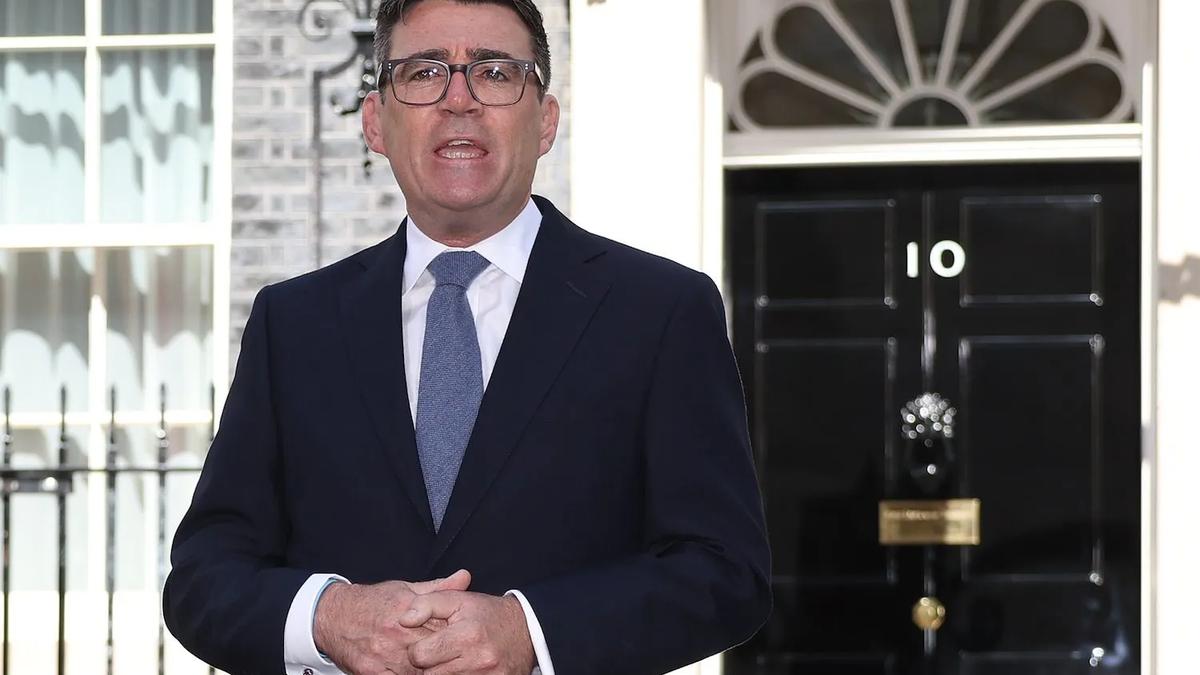
The United Kingdom is on the cusp of its seventh prime minister in just over a decade, with Andy Burnham set to take the reins on July 20. This rapid succession of leaders is a direct result of the country's tumultuous Brexit journey, which has left Britain's economy, security, and relationships with major powers in a state of flux.
The 2016 Brexit referendum, in which the UK voted to leave the European Union, has had far-reaching consequences for the country. Numerous studies estimate that Brexit has devastated the UK economy, reducing its GDP per capita by 6 percent to 8 percent. This economic instability has led to a series of policy U-turns and resignations, including that of Defense Secretary John Healey, who quit in June over Starmer's inability to commit to a 3 percent defense spending target.
Burnham's ascension to the prime ministership presents an opportunity for the UK to reorient its foreign policy and distance itself from the United States. In his inaugural speech, Burnham emphasized the importance of EU economic and strategic cooperation, calling for "even closer" relations with the continent. This shift in tone is a welcome departure from the previous government's approach, which saw the UK lean heavily into Washington.
One immediate diplomatic flash point that Burnham will have to manage is the Chagos Islands dispute. Despite initial support for the transfer of sovereignty to Mauritius, Trump has now called Starmer's decision an "act of great stupidity." Burnham should hold his ground and return the Chagos Islands to Mauritius, ending one of the longest-running territorial disputes in Britain's remaining overseas territories.
Burnham should set out key foreign-policy goals from the outset, with a focus on three interlocking priorities: transparent defense spending, reorienting the economy toward the EU, and preparing for a major provocation by Russian President Vladimir Putin as his war in Ukraine falters. On defense, Burnham plans to raise spending to 2.7 percent of GDP by the end of the decade. He must keep that promise and increase the minimum to at least 3.5 percent to unite his cabinet and the Labour Party.
Rebalancing Britain's foreign policy will be difficult and slow. Burnham must strike a careful balance between cooperation and autonomy, reassuring allies and defending national interests. He should learn from his six predecessors just how strategically vulnerable Brexit has left the United Kingdom, and he must pursue diversified partnerships with the United States and the EU until strategic autonomy is restored.
Andy Burnham's ascension to the UK's prime ministership comes at a critical juncture, as Britain grapples with the aftermath of Brexit and its implications on the country's economy, security, and relationships with major powers. Burnham must navigate this complex landscape with caution and diplomacy, prioritizing the UK's national interests and restoring its strategic autonomy in the process.
Editor's Note: The analysis is based on publicly available information and does not reflect any confidential or classified sources.
Source referenced: FOREIGNPOLICY
This brief was synthesized by our Editorial Engine and reviewed by The Ground Narrative team.