TRENDING

Friday, 16 October 2026
----------------------
5 Jumada Al-Awwal 1448 AH
Britain is set to conduct its biggest home defence exercise in decades, testing its readiness for hybrid threats such as cyberattacks, disinformation, and sabotage of critical infrastructure.
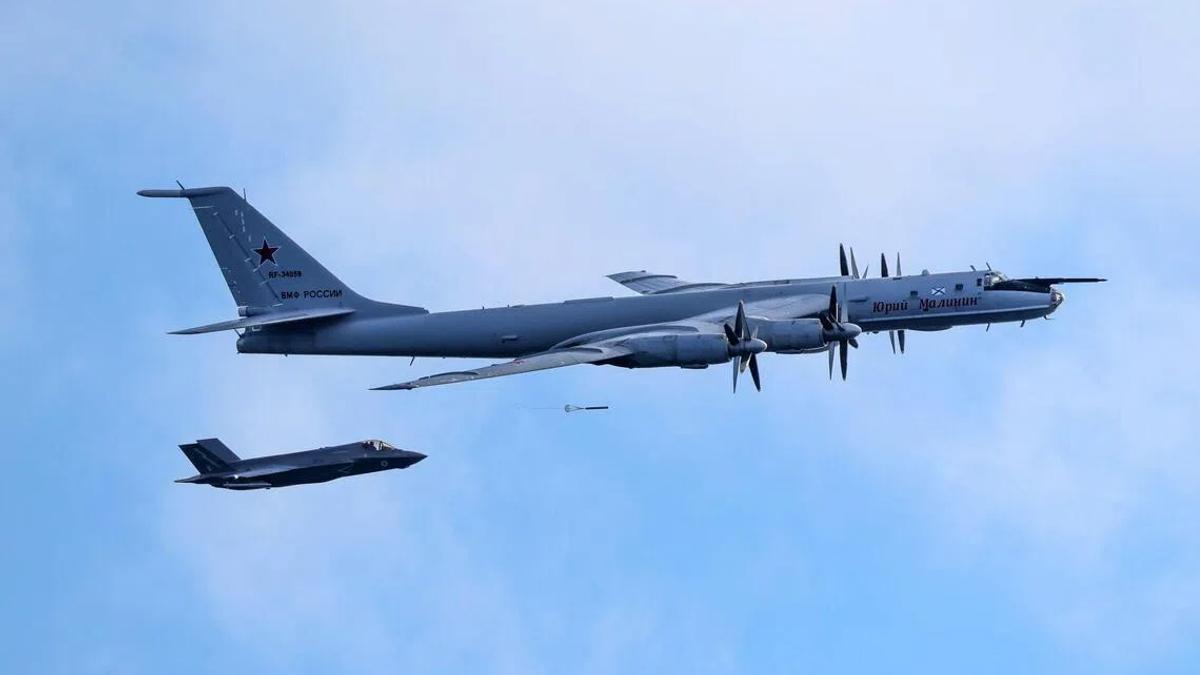
Britain's decision to conduct its largest home defence exercise in decades is a testament to the country's growing concerns over hybrid threats. The exercise, scheduled for 2027, aims to test Britain's ability to counter cyberattacks, disinformation, and sabotage of critical infrastructure.
The acceleration of defence preparations in Britain and its European allies since Russia's invasion of Ukraine in 2022 is a significant factor in this development. NATO's warning that Moscow could be ready to attack Europe by 2030 has further heightened tensions and prompted Britain to take proactive measures.
Britain has identified hybrid threats as a major concern, including physical and cyberattacks, information warfare, and attempts to interfere with democracy. The government has updated its official list of the biggest threats it faces, adding seven new risks, including cyberattacks on data infrastructure, water infrastructure, and police systems.
The exercise is not only a domestic concern but also has regional implications. Britain's participation in NATO's crisis-management exercise demonstrates its commitment to collective defence and cooperation with its allies. The exercise will test how allies coordinate political and military responses to major security crises, highlighting the importance of cooperation in the face of hybrid threats.
The consequences of Britain's failure to prepare for hybrid threats could be severe. A successful attack could compromise critical infrastructure, disrupt public services, and undermine national security. The government's decision to launch a national public awareness campaign to encourage households to prepare for emergencies such as severe weather, flooding, and cyberattacks is a step in the right direction.
Britain's decision to conduct this exercise is driven by a combination of strategic and security concerns. The government is seeking to demonstrate its commitment to national security and its ability to respond to emerging threats. The exercise will also provide an opportunity for Britain to test its readiness and identify areas for improvement.
Britain's decision to conduct its largest home defence exercise in decades is a significant development in the country's efforts to prepare for hybrid threats. The exercise will test Britain's ability to counter cyberattacks, disinformation, and sabotage of critical infrastructure, and its participation in NATO's crisis-management exercise demonstrates its commitment to collective defence and cooperation with its allies. The consequences of Britain's failure to prepare for hybrid threats could be severe, and the government's decision to launch a national public awareness campaign is a step in the right direction.
Editor's Note: The analysis is based on publicly available information and does not contain any speculative or unsupported claims.
Source referenced: STRAITSTIMES
This brief was synthesized by our Editorial Engine and reviewed by The Ground Narrative team.


