TRENDING

Friday, 16 October 2026
----------------------
5 Jumada Al-Awwal 1448 AH
The 1938 Evian Conference, attended by 32 countries, failed to provide meaningful support for Jewish refugees fleeing Nazi Germany, sending a devastating signal to the regime and ultimately contributing to the Holocaust.
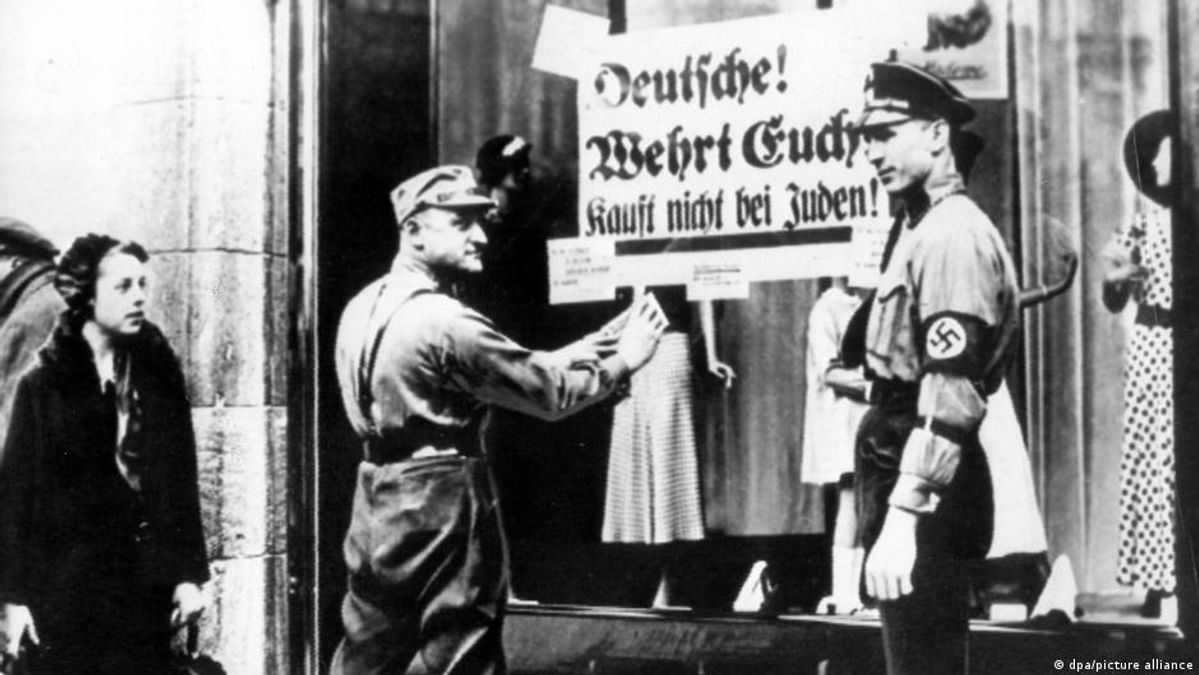
In July 1938, representatives from 32 countries and dozens of humanitarian organizations gathered in the French spa town of Evian for a conference aimed at addressing the growing crisis of Jewish refugees fleeing Nazi Germany. The meeting was a stark reminder of the international community's failure to take decisive action against the rising tide of anti-Semitism and persecution.
The Evian Conference took place five and a half years after Adolf Hitler's rise to power in Germany and three and a half months after the annexation of Austria. The Nazi regime had not yet begun its systematic process of mass murder, but the situation for Jewish people had been deteriorating steadily since 1935. The racist Nuremberg Laws, enacted in 1935, had stripped Jews of German citizenship, and those who wanted to leave were forced to relinquish a large proportion of their assets.
The Evian Conference was a masterclass in diplomatic evasion. Delegates from 32 countries expressed their sympathy for the refugees, but few offered to take them in. European democracies cited high unemployment and the economic crisis as excuses for not accepting more refugees, while the US delegate, Myron C. Taylor, promised not to mention the British Mandate of Palestine as a possible place of refuge. The conference ended with the creation of the Intergovernmental Refugee Committee (IGC), a powerless body that failed to provide meaningful support for Jewish refugees.
The Evian Conference sent a devastating signal to the Nazi regime: no one in the world cared about the fate of the Jews, and the democratic world would not lift a finger to protect them. Just four months after the conference, the Nazi regime orchestrated the November Pogroms in Germany and Austria, and the following year, Germany attacked Poland, triggering World War II. Millions of Jewish people were deported to concentration camps or murdered in mass killings.
The Evian Conference serves as a stark reminder of the dangers of collective inaction in the face of human rights abuses. It highlights the importance of taking decisive action to protect vulnerable populations and the need for international cooperation to address global crises. As we reflect on this dark chapter in history, we must also acknowledge the bravery of individuals who risked their lives to help Jewish refugees, such as Ho Feng Shan, China's Consul-General in Vienna, who issued thousands of visas for the Chinese port of Shanghai.
The Evian Conference was a failure of collective action that had far-reaching consequences. It serves as a warning to the international community of the dangers of inaction in the face of human rights abuses and the importance of taking decisive action to protect vulnerable populations.
Editor's Note: The analysis is based on historical records and is considered to be a well-established fact.
Source referenced: DW
This brief was synthesized by our Editorial Engine and reviewed by The Ground Narrative team.