TRENDING

Monday, 5 October 2026
----------------------
24 Rabi' Al-Thani 1448 AH
Brazil's ethanol industry is diversifying from sugarcane to corn, creating a valuable protein-rich byproduct for animal feed that's now exported globally, including to China. This shift intertwines Brazil's energy and agricultural sectors with global food supply chains, raising questions about land use and economic dependencies.
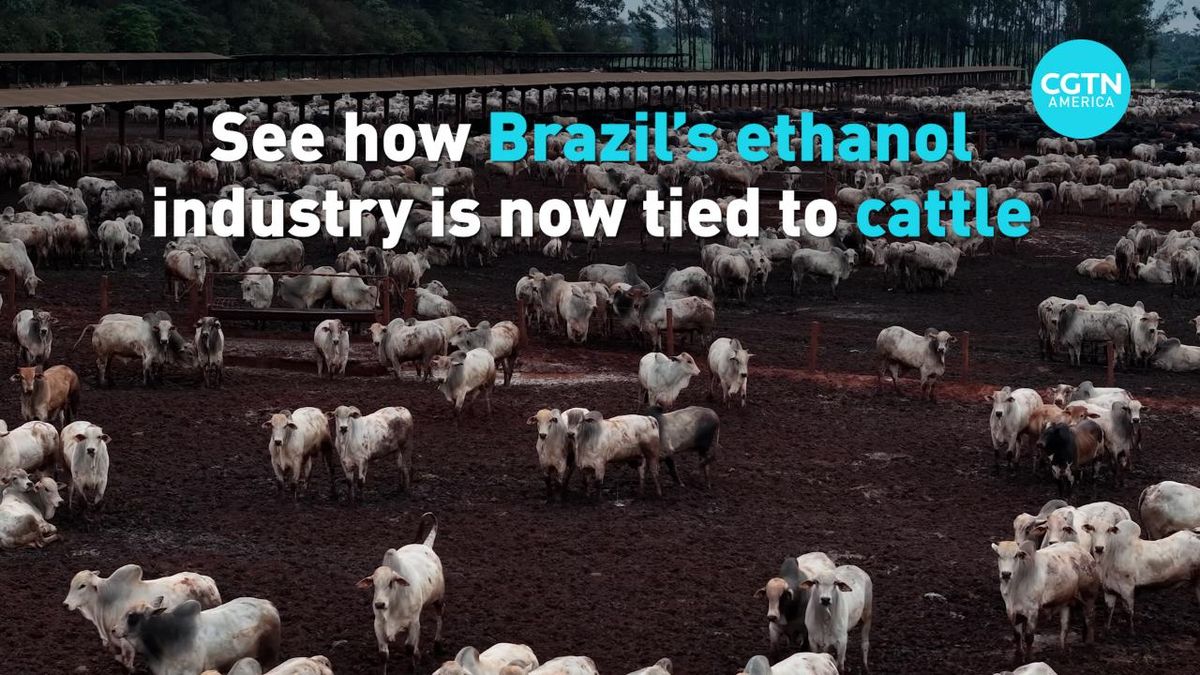
Brazil, a long-standing titan in sugarcane-based ethanol production, is witnessing a significant shift in its biofuel landscape. Production of ethanol derived from corn is rapidly expanding, yielding a protein-rich byproduct highly sought after as animal feed. This feed is now a major export commodity, finding its way to international markets, notably China, thereby forging a new, complex link between Brazil's energy ambitions and global food security.
This development is driven by a confluence of economic and strategic forces. For Brazil, diversifying ethanol production beyond sugarcane offers greater resilience against climate variability and commodity price fluctuations. Corn provides a flexible alternative, allowing producers to leverage existing agricultural infrastructure and expand into new regions. The byproduct, known as Distillers Dried Grains with Solubles (DDGS), creates a lucrative secondary revenue stream, making corn ethanol economically more attractive. Globally, the demand for animal protein, particularly from rapidly developing economies like China, is immense and growing. China's vast livestock industry requires consistent and affordable feed, and Brazil is strategically positioning itself to meet this need. This creates a powerful economic feedback loop: as global demand for animal feed rises, so does the incentive for Brazilian farmers to plant more corn, fueling both the ethanol industry and the global protein supply chain. This intertwining of energy and food markets also grants Brazil increased leverage in international trade negotiations, solidifying its role as a critical global supplier.
While this agricultural expansion promises economic gains for large agribusinesses and ethanol producers, the human cost often falls on those with the least power. The rapid expansion of corn monocultures can lead to increased land consolidation, potentially displacing small-scale farmers who lack the capital or political connections to compete. Indigenous communities and traditional rural populations face heightened risks of land encroachment, as agricultural frontiers push deeper into previously untouched or protected areas. Furthermore, the diversion of corn from direct human consumption to ethanol and animal feed can, in some regions, impact local food prices, making staple foods less accessible for vulnerable populations. The environmental footprint, including increased water usage, pesticide application, and potential deforestation to clear land for cultivation, also disproportionately affects local ecosystems and the communities reliant on them for their livelihoods.
Official narratives often highlight the 'green' credentials of biofuels and the economic benefits of increased agricultural exports. What is frequently downplayed or omitted is the full environmental lifecycle impact of this shift. While corn ethanol might reduce reliance on fossil fuels, the intensive cultivation practices, including the use of fertilizers and pesticides, and the energy required for processing and transportation, contribute to greenhouse gas emissions and environmental degradation. The 'food versus fuel' debate, long a contentious issue, resurfaces with this development; while the byproduct is animal feed, the primary crop is still being diverted from direct human consumption. Governments and corporations also tend to gloss over the potential for increased land conflicts and the concentration of wealth and power within a few large agricultural conglomerates, rather than a broad-based benefit for all citizens. The long-term ecological consequences of vast monocultures and the deepening dependency on a single major export market like China are also rarely emphasized in public statements.
Readers should closely observe Brazil's land use policies and environmental regulations. Any weakening of protections could accelerate agricultural expansion into sensitive biomes, leading to irreversible ecological damage and social unrest. Watch for fluctuations in global commodity markets, particularly the price of crude oil, which directly influences ethanol demand, and global meat prices, which dictate the demand for animal feed. Shifts in China's domestic agricultural policies or changes in its protein consumption patterns could significantly impact the viability of Brazil's corn ethanol and feed export strategy. Finally, monitor the development of alternative protein sources and advanced biofuel technologies, which could either alleviate pressure on land use or disrupt the current economic model, reshaping Brazil's agricultural future.
Source referenced: CGTN
This brief was synthesized by our Editorial Engine and reviewed by The Ground Narrative team.