TRENDING

Thursday, 12 November 2026
----------------------
2 Jumada Al-Thani 1448 AH
Bolivia’s new president has overseen the arrest of a former senior judge accused of drug trafficking, a move tied to a U.S.-led anti‑cartel push. The operation reshapes power in La Paz while ordinary Bolivians face growing uncertainty.
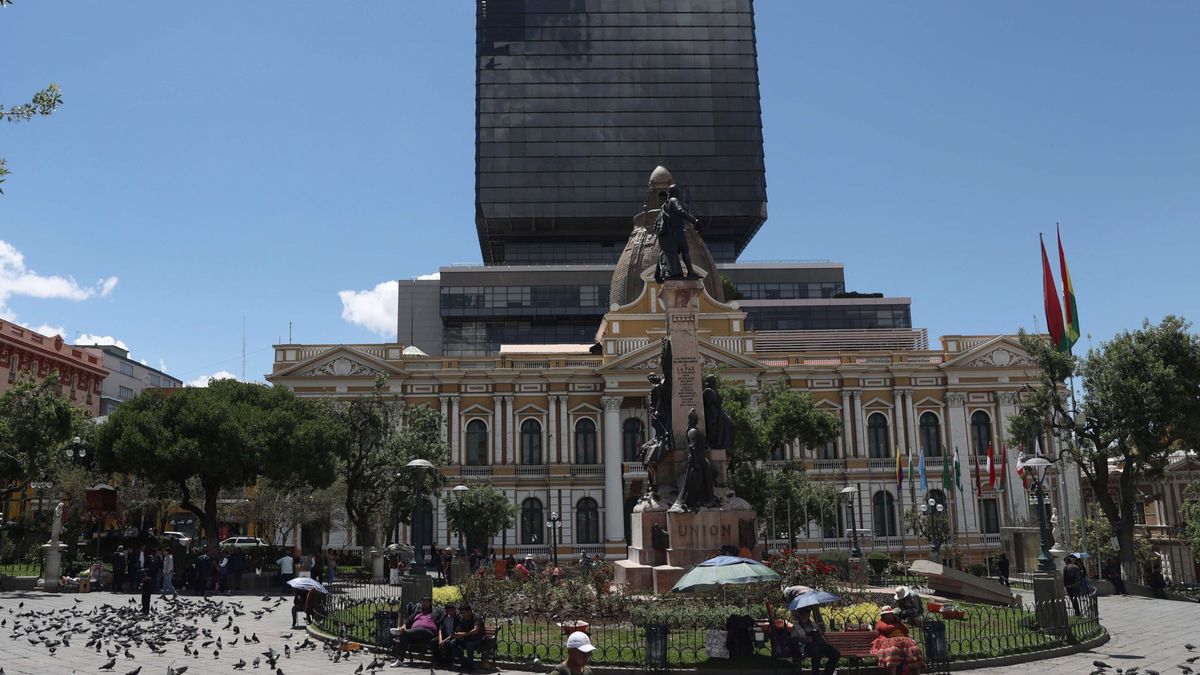
Bolivian authorities detained former senior judge Aldo Quezada at his Santa Cruz home on suspicion of drug trafficking and criminal association. The arrest follows a wave of similar actions against high‑level officials, including former Attorney General Roger Mariaca, and comes after the United States placed Quezada on a visa‑restriction list for alleged cartel links. President Rodrigo Paz, who took office in November 2025, has aligned his administration with the U.S.‑backed “Shield of the Americas” security pact, signaling a hard‑line stance against organized crime.
- International pressure and aid: The United States has leveraged visa bans and financial threats to compel Latin American governments to police their own officials. By targeting individuals rather than entire institutions, Washington creates a deterrent that appears precise while preserving broader diplomatic ties.
- Domestic political survival: President Paz inherited a polarized nation after two decades of MAS rule. Demonstrating a tough anti‑drug posture helps him consolidate support among conservative voters and the military, while also appeasing U.S. policymakers who view Bolivia as a strategic foothold in the Andes.
- Judicial independence under siege: The rapid succession of arrests erodes the perceived autonomy of Bolivia’s courts. By removing senior judges, the executive can reshape the judiciary’s composition, ensuring future rulings align with the administration’s security agenda.
- Economic incentives: Coca cultivation and processing remain lucrative in eastern Bolivia. Cartels infiltrate local economies, offering cash and jobs to communities that lack alternatives. Officials who turn a blind eye—or actively collaborate—gain personal enrichment, creating a feedback loop that sustains illicit networks.
- Alliance math: Joining the “Shield of the Americas” ties Bolivia to a network of U.S. security assistance, intelligence sharing, and joint operations. In exchange, the United States expects partner nations to act as front‑line barriers against drug flows heading north, shifting enforcement burdens onto local governments.
Many families in Santa Cruz and the broader lowland region depend on coca for subsistence. Crackdowns that target high‑level officials often translate into intensified field operations, raids, and forced eradication, threatening livelihoods without providing viable alternatives.
Cities like La Paz see a surge in police presence and checkpoints after each high‑profile arrest. Residents report longer commute times, arbitrary stops, and a climate of fear that hampers daily commerce and erodes trust in law enforcement.
Mid‑level judges and court clerks face heightened scrutiny, with some fearing they could be next on a blacklist. This atmosphere discourages independent legal advocacy and pushes many to seek employment abroad, draining the system of experienced personnel.
Indigenous territories intersect with coca‑growing zones. Military and police operations often disregard traditional land rights, leading to displacement, cultural disruption, and occasional violent clashes.
- U.S. strategic calculus: Official statements frame the arrests as a moral crusade against corruption, yet Washington’s broader aim is to secure a reliable anti‑drug corridor that protects its own borders. By pressuring Bolivia, the U.S. reduces the need for costly domestic interdiction efforts.
- Economic motives behind visa bans: Visa restrictions serve as a low‑cost lever to extract compliance, but they also open doors for U.S. corporations to expand influence in sectors like mining and agriculture, where former officials once held sway.
- Domestic political narrative suppression: State‑controlled media in Bolivia have largely echoed the government’s line, downplaying dissenting voices that argue the crackdown is a pretext for consolidating power and silencing opposition linked to the previous MAS regime.
- Cartel adaptation: While high‑profile arrests make headlines, cartels quickly replace detained operatives, often with younger, more tech‑savvy individuals. This resilience is rarely highlighted, creating a false sense of progress.
- Legislative response: Monitor whether Bolivia’s new congress, now dominated by Paz’s allies, passes laws that expand executive authority over the judiciary or tighten anti‑drug statutes.
- U.S. policy shifts: Any change in the Trump administration’s stance—such as increased funding for interdiction or a pivot toward diplomatic engagement—will alter the pressure dynamics on Bolivia.
- Grassroots resistance: Watch for organized protests from coca growers’ unions and indigenous groups, which could force the government to negotiate alternative development programs.
- Regional ripple effects: Neighboring Peru, Ecuador, and Colombia have faced similar visa bans. Coordinated legal actions or a collective pushback could reshape the anti‑drug architecture across the Andes.
- Judicial appointments: The next wave of judicial nominations will reveal how deeply the executive intends to embed its security agenda within the legal system.
In the months ahead, the intersection of international anti‑drug initiatives, domestic power consolidation, and the everyday struggles of Bolivian citizens will determine whether the arrests represent genuine reform or merely a reshuffling of power under a new banner.
The U.S. uses visa bans to pressure officials suspected of colluding with drug cartels, aiming to disrupt trafficking routes while signaling a tough anti‑drug stance without direct military involvement.
Arrests often trigger broader security operations that disrupt coca‑dependent livelihoods, increase police presence in cities, and create uncertainty for legal professionals and indigenous communities.
Editor's Note: Analysis based on publicly available reports and historical patterns of U.S. anti‑drug policy in Latin America.
Source referenced: ALJAZEERA
This brief was synthesized by our Editorial Engine and reviewed by The Ground Narrative team.


