TRENDING

Wednesday, 14 October 2026
----------------------
3 Jumada Al-Awwal 1448 AH
Despite their frequent violations, temporary cease-fires in the Middle East serve critical functions beyond achieving lasting peace, offering de-escalation, humanitarian relief, and tactical advantages for warring parties. This analysis explores their nuanced value in a region marked by persistent conflict.
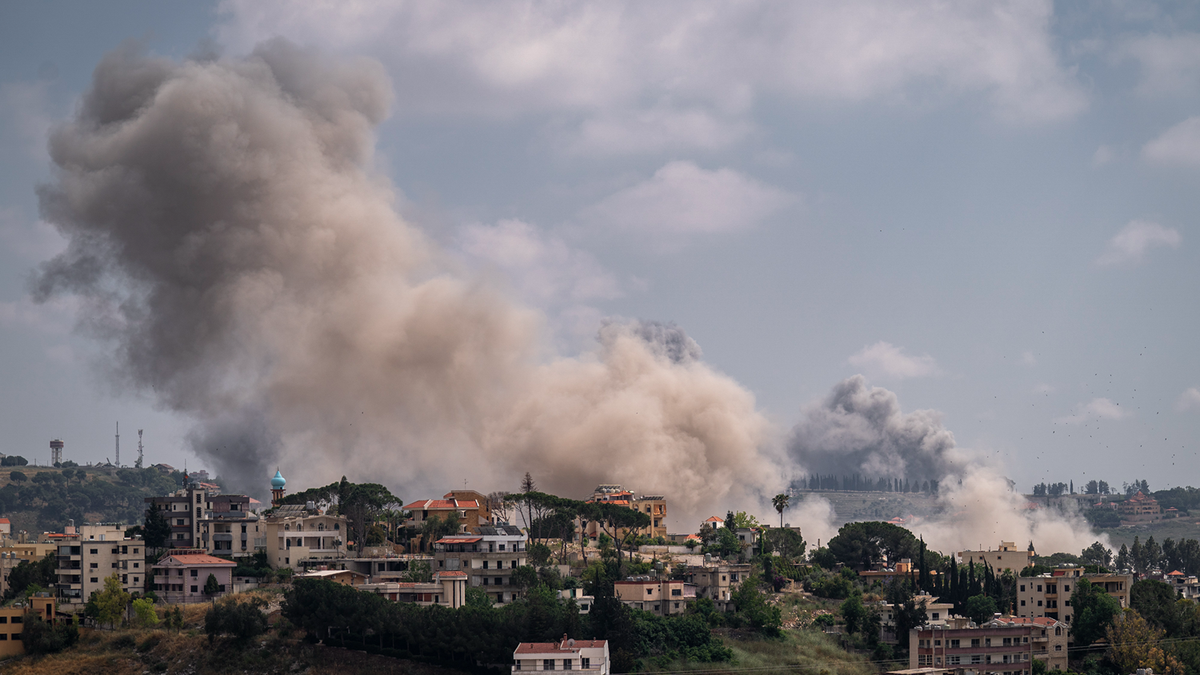
Since the Hamas onslaught on October 7, 2023, the Middle East has been characterized by a cycle of intense conflict punctuated by numerous, often short-lived, cease-fires. While international observers frequently dismiss these pauses as failures when hostilities inevitably resume, a deeper geopolitical analysis reveals their significant, albeit limited, strategic utility. These agreements, though rarely leading to durable peace, play a crucial role in managing regional tensions, providing humanitarian relief, and offering tactical advantages to all parties involved.
Over the past two and a half years, the broader Middle East has witnessed an escalation of hostilities, extending beyond the immediate Israel-Hamas conflict in Gaza to include confrontations between Israel and Hezbollah in Lebanon, and indirect tensions between the United States and Iran. The article highlights no fewer than seven cease-fires declared between Israel and its adversaries across Gaza, Lebanon, and Iran since October 2023. These include a November 2023 cease-fire in Gaza, two more in 2025, two in Lebanon (2024 and 2026), and two involving Iran (2025 and 2026), with a notable de-escalation between the U.S. and Iran since April 8, 2026. The frequency and fragility of these agreements underscore the deeply entrenched nature of the conflicts and the complex interplay of regional and international actors.
Contrary to the common perception that a cease-fire's success is solely measured by its permanence, these temporary pauses achieve several vital objectives:
* Humanitarian Reprieve: Most immediately, cease-fires offer a critical window for humanitarian action. They enable the delivery of aid to besieged populations, facilitate the evacuation of civilians from combat zones, and allow for the exchange of hostages and prisoners. The November 2023 cease-fire between Israel and Hamas, for instance, saw the release of over 100 Israeli hostages and approximately 240 detained Palestinians, alongside opportunities for displaced Gazans to return home, albeit temporarily. Similarly, the January-March 2025 cease-fire permitted the return of tens of thousands of displaced Gazans and significant aid deliveries.
* Tactical Reflection and Reorganization: For warring parties, a cease-fire provides an invaluable opportunity to rearm, regroup, and conduct tactical assessments. Both the Israeli military and groups like Hamas have utilized these pauses to relieve forces, reorganize, and prepare for potential future engagements. This strategic breathing room, while prolonging the conflict in the long run, is a critical component of military operations in protracted wars.
* Establishing Bargaining Baselines: Each cease-fire, even if broken, contributes to a cumulative diplomatic process. They can establish new baselines for negotiation, incrementally building a framework that, over multiple iterations, *could* potentially lead to more permanent peace agreements. While this outcome remains elusive in the Middle East, the very act of negotiation and agreement, however tenuous, maintains a channel for future diplomatic engagement.
* Political Cover for Leaders: Cease-fires offer political leaders, such as Israeli Prime Minister Benjamin Netanyahu, a means to manage domestic and international pressure. Agreeing to a pause can help maintain strained diplomatic ties with allies, provide an excuse to halt costly military campaigns that may not be yielding desired strategic benefits, and allow international figures to claim progress, thereby alleviating pressure on embattled governments.
These cease-fires often materialize not from a genuine commitment to lasting peace by all belligerents, but primarily due to immense international pressure. Allies and adversaries alike, from Canada to Turkey, and leaders like U.S. President Joe Biden and European Commission President Ursula von der Leyen, exert significant influence, particularly on Israel, to halt devastating military operations that cause widespread civilian harm. For Israel's adversaries, accepting cease-fires provides an opportunity to appear reasonable and open to bargaining, especially when facing battlefield setbacks or pressure from their own patrons.
The reliance on externally compelled, temporary cease-fires carries significant geopolitical implications. While they offer immediate benefits, they also risk eroding trust in negotiated settlements. As the article notes, if diplomacy consistently appears false and agreements unreliable, affected parties may increasingly seek loopholes and require constant monitoring, diminishing the prospects for genuine, long-term resolutions. The observation that Israel, like its adversaries, may be missing opportunities to create more durable diplomatic arrangements highlights a broader regional challenge: the will to fight often outweighs the will to achieve lasting peace, perpetuating a cycle of conflict management rather than resolution. This dynamic underscores the limits of external intervention and the deep-seated nature of the grievances and strategic objectives driving the conflicts in the Middle East.
In conclusion, while the Middle East's cease-fires rarely fulfill the ideal of a complete cessation of hostilities, their value lies in their capacity for de-escalation, humanitarian intervention, and tactical maneuvering. They are not a path to peace, but rather a critical, albeit imperfect, tool for managing an enduring and complex regional conflict, reflecting a pragmatic adaptation to a volatile geopolitical landscape.
Source referenced: FOREIGNPOLICY
This brief was synthesized by our Editorial Engine and reviewed by The Ground Narrative team.