TRENDING

Sunday, 18 October 2026
----------------------
7 Jumada Al-Awwal 1448 AH
Apple has removed Russia's state-backed Max messenger from its App Store, intensifying the global tech giants' struggle with national digital sovereignty initiatives. This action underscores the ongoing geopolitical tensions surrounding information control and technological independence.
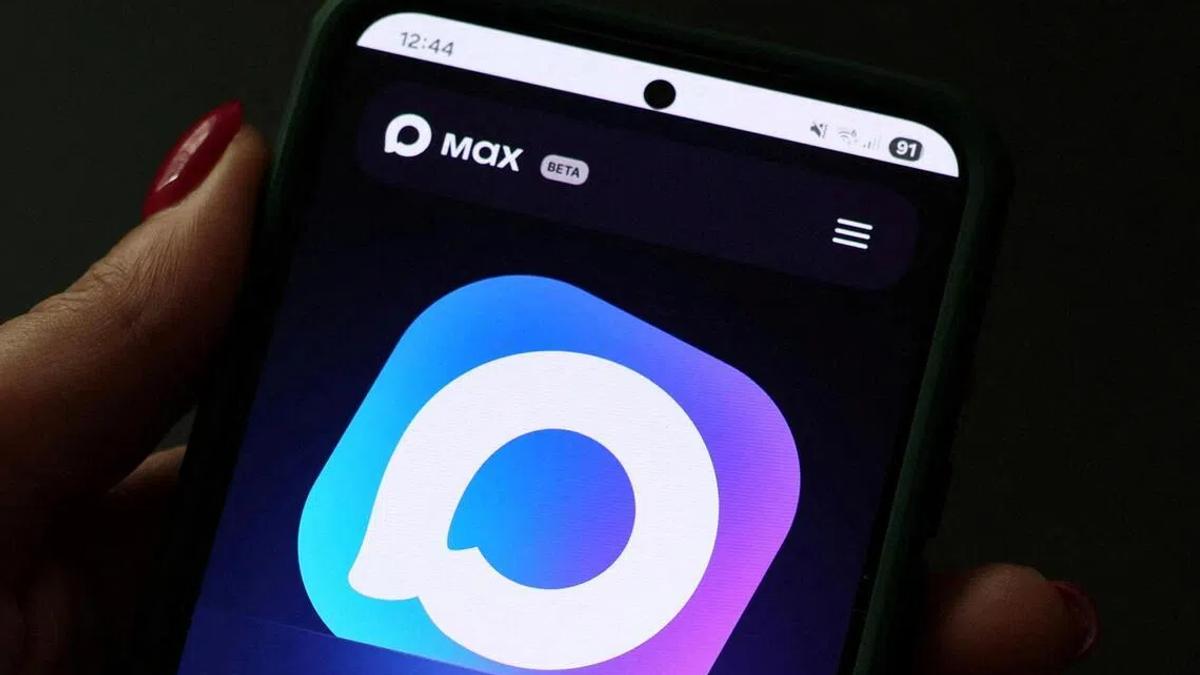
On June 4, 2026, Apple removed Russia's state-backed Max messenger application from its App Store, a move that highlights the escalating tensions between global technology platforms and national efforts to assert digital sovereignty. The app, which Moscow has aggressively promoted for months, disappeared from the App Store on the night of June 3, according to its Russian developers. While Apple has not provided an official comment on the reasons for the removal, the incident is deeply embedded in a broader geopolitical context involving sanctions, information control, and the pursuit of technological independence.
Max, launched in 2025 by Russian social media giant VK, is designed as a 'super-app' akin to China's WeChat. It integrates social media and messaging functions with access to government services, a digital ID card system, banking, and payments. President Vladimir Putin has championed Max as a more "secure" platform essential for Russia's "technological sovereignty." The Russian government has actively pushed its citizens, civil servants, state companies, schools, and government agencies to adopt Max, even going so far as to throttle access to popular Western messaging apps like WhatsApp and Telegram within the country. Since September, Max has been pre-installed on new phones and tablets sold in Russia, underscoring its strategic importance to Moscow's digital agenda.
However, Max has drawn significant criticism due to its fundamental design. Unlike many widely used messaging platforms, Max lacks end-to-end encryption, and its terms of use explicitly state that user data is stored exclusively on servers within Russia. Critics argue that this design makes the app a potential tool for state surveillance and control over citizens' communications, raising serious privacy and human rights concerns.
Apple's decision to remove Max from its App Store, while unexplained, aligns with previous actions taken by both Apple and Google. Both tech giants have removed dozens of Russian apps from their online stores, particularly those developed by companies sanctioned by Western nations. Although apps already installed on devices continue to function, new downloads and updates are blocked, creating significant operational challenges for Russian entities.
This removal can be interpreted through several lenses. Firstly, it could be a response to Western sanctions against Russian entities, even if Max's developers, VK, are not directly sanctioned. Secondly, it might reflect Apple's corporate policies regarding user privacy and security, given Max's lack of encryption and its potential for state surveillance. Global tech companies often face pressure to uphold certain standards, especially when operating in markets where digital rights are contentious. Thirdly, it underscores the immense power wielded by these companies as gatekeepers of the digital ecosystem, capable of significantly impacting national digital strategies.
The removal of Max is a significant development in the ongoing geopolitical struggle for control over the digital sphere. Russia's aggressive promotion of Max and its efforts to restrict Western alternatives are part of a broader strategy to create a self-contained, state-controlled internet ecosystem, often referred to as digital balkanization. This strategy aims to reduce reliance on foreign technology, protect against perceived external cyber threats, and, crucially, enable greater state control over information flow and citizen communication.
This dynamic has led to a "cat-and-mouse game" where Russian companies, particularly in the financial sector, attempt to circumvent bans by launching disguised apps, only to see them removed shortly after. This constant struggle highlights the challenges faced by nations attempting to assert digital sovereignty in an interconnected world dominated by a few powerful global tech platforms.
Ultimately, this incident is more than just an app removal; it is a microcosm of the larger conflict between open internet principles and state-driven digital control. It forces a reckoning with the responsibilities of global tech companies in upholding privacy and security standards, while also illustrating the lengths to which states will go to achieve technological independence and manage their information environments in an increasingly fragmented digital landscape.
Source referenced: STRAITSTIMES
This brief was synthesized by our Editorial Engine and reviewed by The Ground Narrative team.