TRENDING

Sunday, 18 October 2026
----------------------
7 Jumada Al-Awwal 1448 AH
The ascension of Andy Burnham as Britain's new prime minister marks a significant shift in the country's political landscape. With a strong background in regional politics and a commitment to 'pro-business socialism,' Burnham's leadership may signal a departure from the austerity measures of his predecessor.
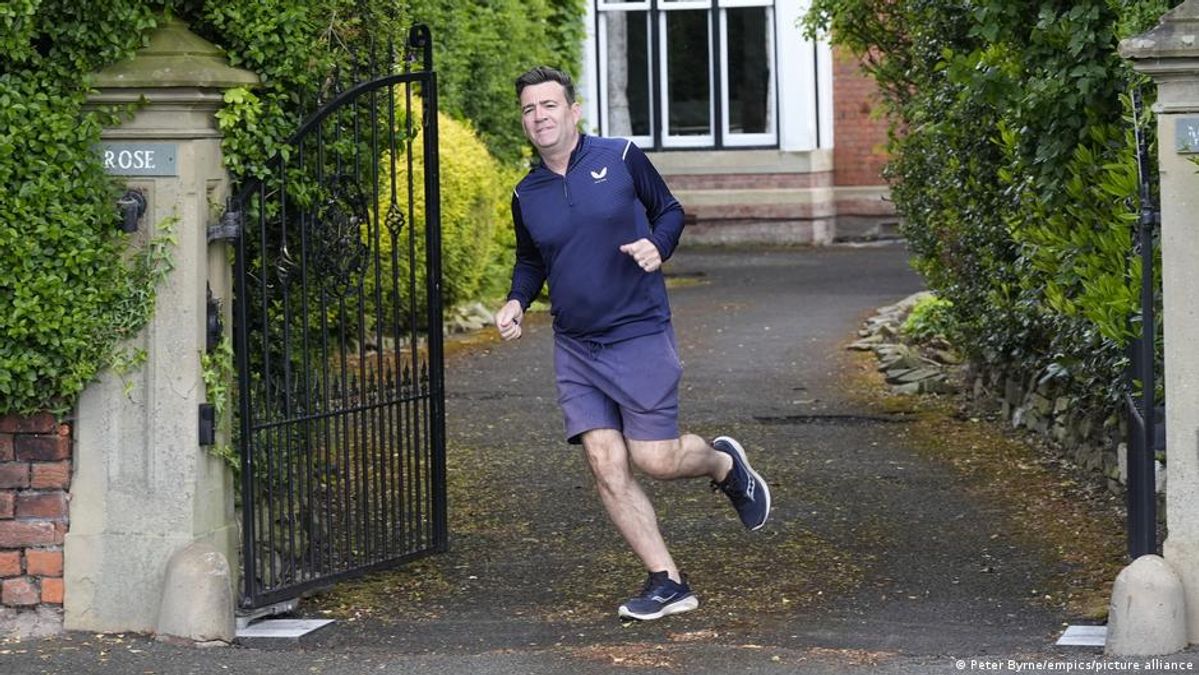
Andy Burnham, a seasoned politician with decades of experience, has taken the reins as Britain's seventh prime minister in the past decade. His ascension to power marks a significant shift in the country's political landscape, particularly in the wake of the Brexit referendum. Burnham's background in regional politics, particularly as the mayor of Greater Manchester, has equipped him with a unique understanding of the country's economic and social challenges.
Burnham's self-described ideology of 'pro-business socialism' may signal a departure from the austerity measures of his predecessor, Keir Starmer. As a leading figure on Labour's moderate-left wing, Burnham has consistently advocated for policies that balance economic growth with social welfare. His commitment to affordable public transportation, housing, and healthcare in Manchester has earned him a reputation as a champion of the working class.
Burnham's rise to power may also have significant regional implications. As a northerner from the former mining and industrial communities, Burnham is deeply rooted in the region's history and culture. His election victory in the Makerfield constituency, a working-class area in northern England, may signal a shift in the country's politics towards a more regionalized approach. The North-South divide, a long-standing issue in British politics, may become a key focus of Burnham's leadership.
Burnham's leadership may also have significant implications for Britain's relationship with the European Union. As a critic of Brexit, Burnham may seek to re-establish closer ties with the EU, potentially paving the way for a second referendum or a more nuanced approach to Brexit. This could have significant consequences for the country's economy, trade, and global influence.
Burnham's ascension to power may also be motivated by a desire to counter the rise of the right-wing populist Reform UK party, led by Nigel Farage. As a champion of the working class, Burnham may seek to appeal to disaffected voters who feel left behind by the Brexit process. His commitment to social welfare and economic growth may help to bridge the gap between Labour and the Conservative Party, potentially altering the country's political landscape.
Burnham's rise to power takes place against the backdrop of a decade of turmoil in British politics. The Brexit referendum, the COVID pandemic, and the subsequent economic crisis have created a perfect storm of challenges for the country. Burnham's leadership may be shaped by these events, as he seeks to navigate the country through a period of significant change.
The ascension of Andy Burnham as Britain's new prime minister marks a significant shift in the country's political landscape. With a strong background in regional politics and a commitment to 'pro-business socialism,' Burnham's leadership may signal a departure from the austerity measures of his predecessor. As he navigates the country through a period of significant change, Burnham's strategic motivations, historical context, and future consequences will be closely watched by observers around the world.
Editor's Note: Burnham's commitment to 'pro-business socialism' may signal a departure from the austerity measures of his predecessor, but the full implications of his leadership remain uncertain.
Source referenced: DW
This brief was synthesized by our Editorial Engine and reviewed by The Ground Narrative team.