TRENDING

Sunday, 25 October 2026
----------------------
14 Jumada Al-Awwal 1448 AH
A record number of African nations are at the 2026 World Cup, but South Africa's opening defeat to Mexico has raised questions about the continent's chances. Can African teams turn numbers into history and finally challenge for football's biggest prize?
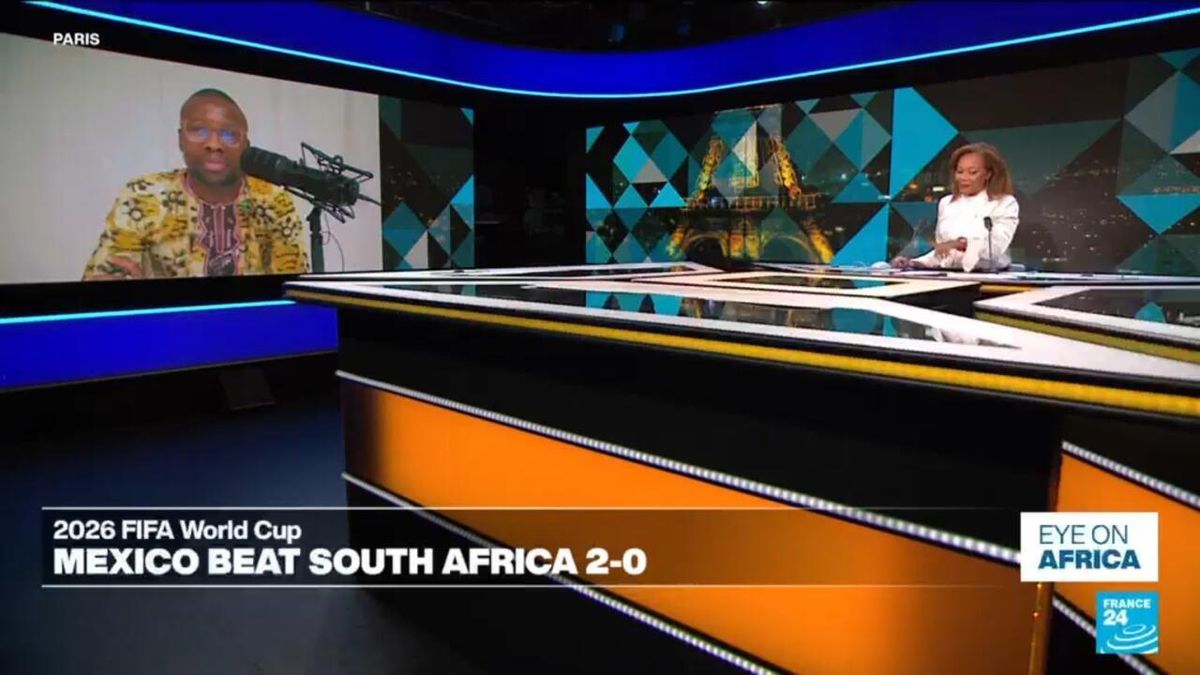
The 2026 World Cup has kicked off with a record number of African nations participating, but the continent's chances of success have been put to the test following South Africa's opening defeat to Mexico. This development has sparked a flurry of questions about the continent's ability to challenge for football's biggest prize.
Africa's football aspirations have been shaped by a complex web of historical, cultural, and economic factors. The continent has a rich football heritage, with many countries boasting a strong passion for the sport. However, the lack of resources, infrastructure, and investment has hindered the continent's ability to produce top-class teams.
The politics of football in Africa are complex and often intertwined with regional and national interests. The African Football Confederation (CAF) has been accused of favoring certain countries and teams, which has led to accusations of corruption and bias. The CAF's decision to award the 2026 World Cup hosting rights to Mexico has also been seen as a blow to African football aspirations.
The participation of African teams in the World Cup has significant economic and diplomatic implications. The tournament provides a platform for African countries to showcase their football talent, attract investment, and promote their national brands. The economic benefits of hosting the World Cup are substantial, with estimates suggesting that the tournament could generate billions of dollars in revenue for participating countries.
The 2026 World Cup presents a unique opportunity for African teams to challenge for football's biggest prize. The participation of a record number of African nations has created a sense of excitement and optimism, with many fans believing that this could be the year that African teams finally break through.
However, the road to success will be fraught with challenges. African teams will need to overcome significant obstacles, including the lack of resources, infrastructure, and investment. The politics of football in Africa will also continue to play a significant role, with the CAF's decision-making processes often coming under scrutiny.
Africa's World Cup hopes are a complex and multifaceted issue, influenced by a range of historical, cultural, economic, and political factors. While the participation of a record number of African nations has created a sense of excitement and optimism, the road to success will be challenging. The 2026 World Cup presents a unique opportunity for African teams to challenge for football's biggest prize, but the future consequences of this tournament will depend on a range of factors, including the ability of African teams to overcome significant obstacles and the politics of football in Africa.
Editor's Note: While African teams have a challenging road ahead, the participation of a record number of African nations has created a sense of excitement and optimism.
Source referenced: FRANCE24
This brief was synthesized by our Editorial Engine and reviewed by The Ground Narrative team.