TRENDING

Thursday, 12 November 2026
----------------------
2 Jumada Al-Thani 1448 AH
A fresh round of trilateral talks in Abu Dhabi brings Russia, the United States and Ukraine to the same table, but expectations are modest. The real story lies in the incentives driving each side and the people who bear the war’s daily toll.
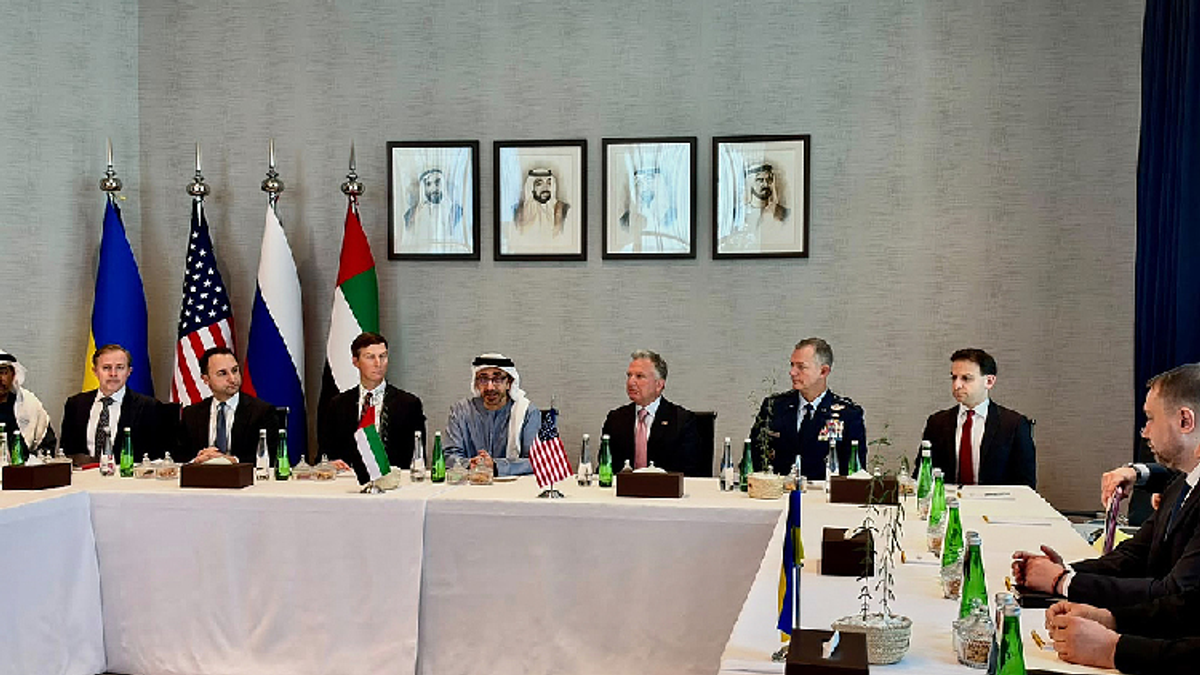
The first day of a new trilateral peace round opened on November 10, 2026 in Abu Dhabi, bringing together the leaders of Russia, Ukraine and the United States. Ukrainian President Volodymyr Zelenskyy described the session as "constructive and quite substantive," while U.S. envoys Steve Witkoff and Jared Kushner highlighted progress on humanitarian and security guarantees. Russian Deputy Foreign Minister Sergei Ryabkov offered a cautious note, saying it was too early to judge outcomes. European officials, led by EU Commission President Ursula von der Leyen, signaled a desire for a larger role, though the exact format of their participation remained undefined.
- Domestic politics in Washington: The 2026 U.S. midterm elections delivered a setback for the Republican Party, leaving the Biden administration eager to shift public attention from lingering tensions with Iran to a high‑visibility diplomatic effort. A quick‑fire narrative of "peace progress" can bolster the administration’s image ahead of the 2027 congressional turnover.
- Russia’s strategic window: With the United States entering a period of political transition, Moscow sees an opening to reset bilateral ties and extract concessions without appearing to capitulate. The Kremlin’s primary ask centers on lifting sanctions tied to its war effort and securing a formal security arrangement that limits NATO’s forward posture.
- Ukraine’s leverage: Kyiv is betting on a January 2027 influx of U.S. military aid, while also pressing for the release of prisoners of war—a humanitarian demand that carries significant domestic political weight. The Ukrainian leadership must balance the need for immediate relief with the risk of legitimizing a settlement that leaves contested territories under Russian control.
- European Union’s stake: Europe fears a peace framework that sidelines its security architecture. The EU’s push for involvement reflects concerns over a potential “Euro‑Atlantic” realignment that could diminish Brussels’ influence over continental defense.
- Middle‑East host dynamics: The United Arab Emirates, by offering Abu Dhabi as a neutral venue, seeks to cement its reputation as a diplomatic hub, diversify its foreign‑policy portfolio, and attract future economic partnerships linked to post‑war reconstruction.
Even as diplomats trade phrases, ordinary Ukrainians continue to rebuild shattered homes, tend to fields scarred by artillery, and navigate a healthcare system strained by war injuries. The prospect of prisoner releases offers a glimmer of relief for families who have endured months of uncertainty, yet the broader humanitarian picture remains dire.
In Russia, sanctions have eroded living standards, and the war’s prolonged nature has taken a toll on soldiers’ families, many of whom face loss of income and social stigma. A negotiated settlement that eases sanctions could translate into modest improvements in daily life, but only if the Kremlin follows through.
More than eight million people remain internally displaced within Ukraine, while another three million have sought refuge across Europe. The logistics of returning to homes that may no longer exist, or that sit in contested zones, pose a massive challenge that no diplomatic clause can instantly solve.
Hosting the talks brings a short‑term economic boost to hotels, security firms, and service workers in the capital. However, the city also bears the cost of heightened security measures and the risk of becoming a flashpoint should negotiations falter.
Official statements emphasize "constructive" dialogue, yet they downplay the administration’s reliance on a diplomatic win to mask domestic political weakness. The focus on prisoner releases and humanitarian language sidesteps deeper questions about long‑term security guarantees that could bind the United States to a costly European defense commitment.
Moscow publicly stresses a "reset" with Washington, but internal power brokers are also using the talks to consolidate President Vladimir Putin’s standing ahead of the 2027 presidential election cycle. The Kremlin’s willingness to negotiate is less about peace than about buying time to rebuild its military-industrial base under sanction pressure.
While the EU claims a desire for greater involvement, its actual leverage is limited by the bilateral nature of the core talks. European leaders risk being reduced to peripheral observers, a reality they rarely acknowledge in public briefings.
Beijing has not issued a formal statement, but Chinese analysts are closely monitoring the outcome, seeing an opportunity to position themselves as a future mediator in a conflict that reshapes Eurasian power balances. This strategic patience is omitted from most Western coverage.
- U.S. congressional shift in January 2027: The incoming Congress will decide the scale of future aid to Kyiv, influencing Ukraine’s bargaining power.
- Russian domestic politics: Any sign of dissent within the Russian elite or public protests could force Moscow to adjust its negotiating posture.
- EU’s formal participation: A concrete EU role—whether as a guarantor of any security arrangement or as a sanctions overseer—will signal whether Europe can reclaim influence over continental security.
- Prisoner‑of‑war exchanges: The speed and scale of releases will be a litmus test for the talks’ humanitarian impact and for each side’s willingness to honor commitments.
- Abu Dhabi’s diplomatic branding: Follow how the UAE leverages the outcome to attract future peace‑building initiatives, especially in the context of its broader Vision 2030 economic diversification plan.
The next weeks will reveal whether the Abu Dhabi round remains a diplomatic photo‑op or becomes a stepping stone toward a more durable settlement. Observers should track the language of any joint communiqués, the presence (or absence) of European signatures, and the concrete steps taken on humanitarian releases, as these details will expose the real balance of power behind the headlines.
The talks aim to negotiate humanitarian measures such as prisoner releases, outline security guarantees for Ukraine, and explore a broader framework that could ease sanctions on Russia while preserving European security interests.
A new Congress will decide the level of military and economic aid to Ukraine, which could strengthen Kyiv’s negotiating position or, if aid is reduced, pressure Ukraine to accept a settlement with fewer concessions.
Europe wants to ensure that any security arrangement aligns with its own defense architecture and to prevent decisions that could be made without its input, preserving its influence over continental stability.
Editor's Note: Analysis based on publicly available statements and expert commentary; some behind‑the‑scenes dynamics remain opaque.
Source referenced: CGTN
This brief was synthesized by our Editorial Engine and reviewed by The Ground Narrative team.


