TRENDING

Friday, 16 October 2026
----------------------
5 Jumada Al-Awwal 1448 AH
Thousands of Zimbabweans are returning home from South Africa following a surge in xenophobic violence, highlighting profound economic and social challenges within the Southern African region. This mass movement underscores the fragility of regional stability and the complex interplay of migration, economic distress, and social cohesion.
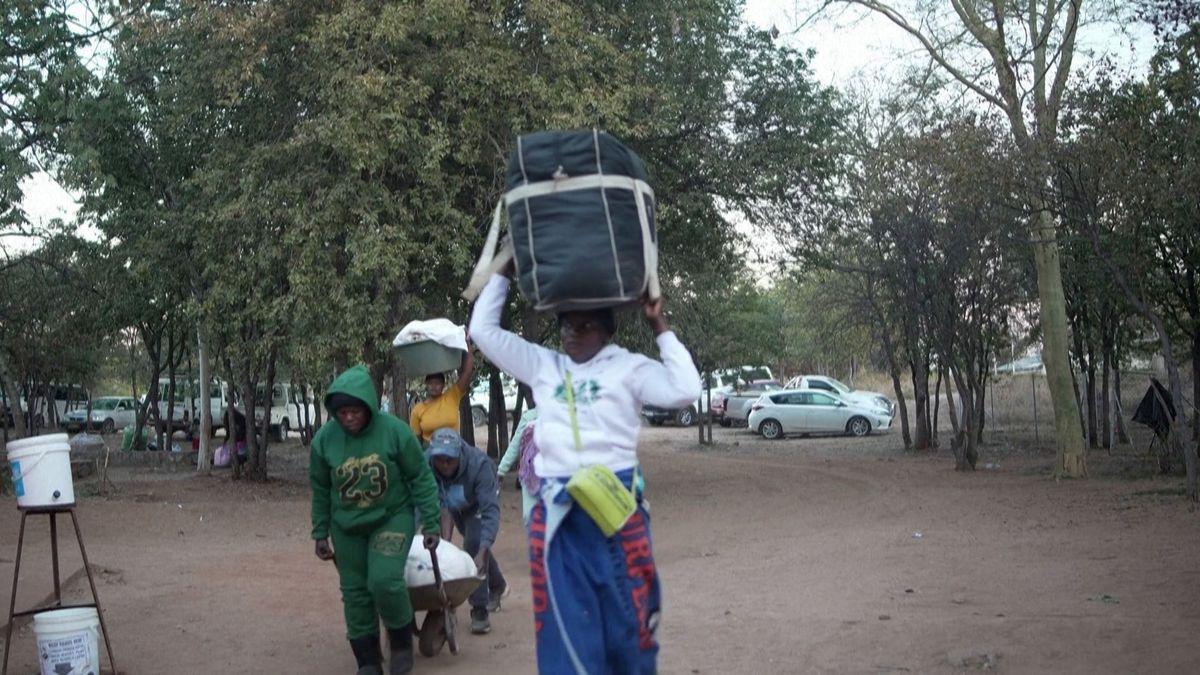
South Africa, a regional economic powerhouse, is once again grappling with a severe wave of xenophobic violence, compelling tens of thousands of Zimbabwean nationals to return to their home country. Over the past five weeks, approximately 21,300 Zimbabweans have been officially repatriated by their government, while an additional 56,800 individuals have self-repatriated, fleeing widespread beatings, robberies, and threats from anti-migrant groups across South Africa. This significant displacement, reported on July 11, 2026, underscores a deepening humanitarian and geopolitical crisis with far-reaching implications for Southern Africa.
The immediate catalyst for this mass return is the targeted violence against foreign nationals, primarily Zimbabweans, by groups advocating for the expulsion of migrants. These incidents, characterized by physical assaults, theft, and intimidation, have created an untenable environment for many who had sought economic refuge in South Africa. The scale of repatriation—nearly 80,000 individuals in a little over a month—highlights the severity of the threats faced by these communities and the urgent need for intervention.
The current wave of xenophobia is not an isolated phenomenon but rather a symptom of deeper, systemic issues rooted in both South Africa's internal socio-economic challenges and Zimbabwe's prolonged economic crisis. For decades, Zimbabweans have migrated to South Africa in search of better economic opportunities, driven by hyperinflation, high unemployment, and political instability in their home country. This migration flow has been a critical safety valve for Zimbabwe, with remittances from its diaspora forming a significant portion of its national income.
However, South Africa itself faces formidable challenges, including persistently high unemployment rates, pervasive poverty, and stark economic inequality. These issues are often exacerbated by a perceived strain on public services and competition for scarce jobs, leading to resentment and scapegoating of foreign nationals. Anti-migrant sentiment is frequently fueled by political rhetoric and socio-economic frustrations, creating fertile ground for xenophobic attacks. The historical context of migration within Southern Africa, often driven by colonial-era labor demands and post-apartheid economic disparities, further complicates these dynamics.
This crisis carries significant geopolitical weight. South Africa, as the continent's most industrialized economy and a key member of regional bodies like the Southern African Development Community (SADC) and the African Union (AU), is expected to uphold human rights and foster regional stability. The recurring xenophobic violence not only damages South Africa's international reputation but also strains its bilateral relations with neighboring countries, particularly Zimbabwe. The Zimbabwean government, already struggling with its own economic woes, now faces the immense challenge of reintegrating tens of thousands of returning citizens, placing additional pressure on its limited resources and infrastructure.
Furthermore, the instability within South Africa could have a contagion effect across the region. If the perception grows that a major regional power cannot manage its internal social tensions, it could embolden similar anti-migrant sentiments elsewhere or undermine confidence in regional integration efforts. The economic impact is also considerable; while the immediate effect is the loss of remittances for Zimbabwe, South Africa's economy also relies on migrant labor in various sectors, and their forced departure could lead to labor shortages and economic disruption.
The human cost of this crisis is immense, involving displacement, trauma, and the disruption of livelihoods. Many returning Zimbabweans have lost their possessions and savings, facing an uncertain future in a country still battling its own economic hardships. Both the South African and Zimbabwean governments face critical policy challenges. Pretoria must address the root causes of xenophobia, including socio-economic disparities and the rule of law, while Harare must develop robust strategies for the reintegration and support of its returning citizens.
Ultimately, the mass repatriation of Zimbabweans from South Africa is a stark reminder of the complex interplay between economic distress, migration, and social cohesion in Southern Africa. It necessitates a concerted regional effort to address underlying economic inequalities, promote social integration, and ensure the protection of human rights for all residents, regardless of nationality, to prevent further destabilization of the region.
Source referenced: ALJAZEERA
This brief was synthesized by our Editorial Engine and reviewed by The Ground Narrative team.