TRENDING

Monday, 26 October 2026
----------------------
15 Jumada Al-Awwal 1448 AH
The recent actions of the Trump administration have raised concerns among U.S. allies in Asia, who are now facing an uncertain future as they rely heavily on U.S. support.
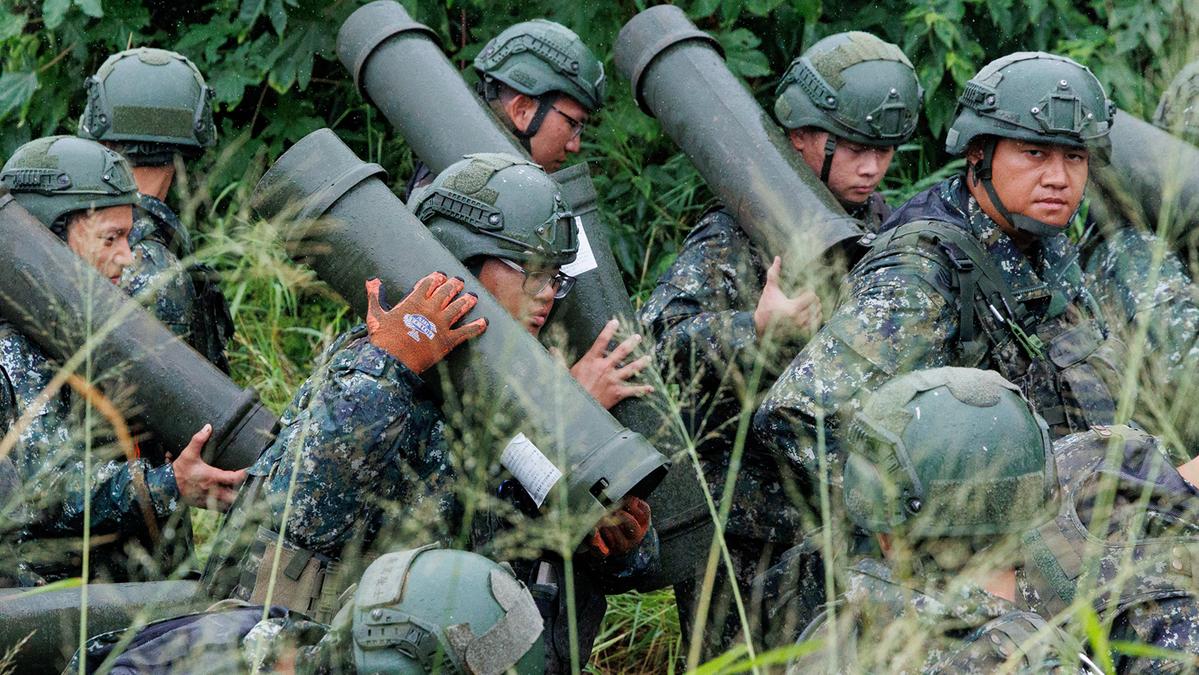
The recent actions of the Trump administration have raised concerns among U.S. allies in Asia, who are now facing an uncertain future as they rely heavily on U.S. support. In recent weeks, the administration has announced plans to reduce U.S. assets assigned to Europe and has considered holding up a $14 billion arms sales package to Taiwan, which has been authorized by Congress.
The U.S. has historically maintained a hub-and-spokes system in Asia, where it provides security guarantees to its allies through a network of bilateral agreements. However, this system has been criticized for being unsustainable and vulnerable to U.S. policy shifts. The recent actions of the Trump administration have highlighted the risks of this system, as U.S. allies in Asia are now facing an uncertain future.
European allies have begun to form a backup plan through bilateral pacts with one another, such as the SAFE mechanism to support European defense manufacturing. However, Asian allies do not have a similar backup plan in place, and they are now facing a significant risk of being left behind.
The recent actions of the Trump administration have sent shockwaves through allied capitals in Asia, and the possibility of delayed or downsizing U.S. arms sales is a military risk for Taipei. Politically, it is just as significant, as it could undermine the efforts of Taiwanese President Lai Ching-te to boost Taiwan's defense spending.
China will use this development in its long-standing disinformation campaigns in Taiwan, where it will amp up the message that the United States is not a reliable partner and that the current status quo is therefore untenable. Trump's comments will also loom large in other capitals across the region, as they suggest that the United States could rethink support for treaty allies.
Asian allies must act to preserve their long-standing security interests, particularly vis-à-vis China. Their action plans should have two lines of effort: 1) boosting their own domestic defense and intelligence capabilities and 2) linking themselves more closely to one another and to European partners.
The only antidote to a more fractured and less interoperable set of allied capabilities is for Asian allies to rapidly start co-developing and co-producing key systems. Japan's recent policy shift to allow export of defense equipment has opened the aperture for major cooperative efforts, such as Australia's acquisition of the Mogami-class destroyer.
The recent actions of the Trump administration have raised concerns among U.S. allies in Asia, who are now facing an uncertain future as they rely heavily on U.S. support. Asian allies must act to preserve their long-standing security interests, particularly vis-à-vis China, and they should prioritize boosting their own domestic defense and intelligence capabilities and linking themselves more closely to one another and to European partners.
Editor's Note: The analysis is based on publicly available information and may not reflect the full range of U.S. policy intentions or actions.
Source referenced: FOREIGNPOLICY
This brief was synthesized by our Editorial Engine and reviewed by The Ground Narrative team.