TRENDING

Wednesday, 14 October 2026
----------------------
3 Jumada Al-Awwal 1448 AH
A devastating earthquake in Venezuela has claimed over 4,000 lives and displaced thousands, exacerbating the nation's existing socio-economic challenges. The crisis highlights vulnerabilities in infrastructure and presents a complex test for international aid and diplomatic relations.
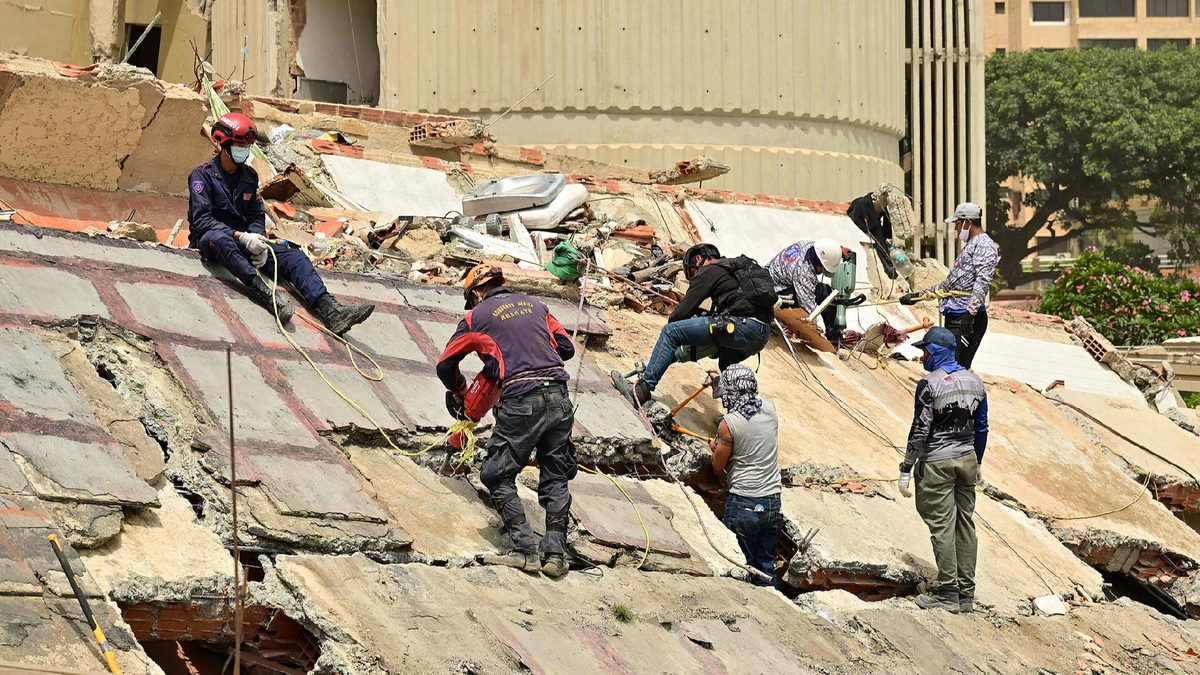
Venezuela is confronting a profound humanitarian crisis following a series of powerful earthquakes on June 24, 2026, which have claimed the lives of at least 4,118 people. The disaster, centered in regions like Caraballeda in the state of La Guaira, has left thousands injured, displaced, and homeless, placing immense strain on a nation already navigating complex socio-economic and political difficulties. The scale of the catastrophe underscores the vulnerabilities of infrastructure and public services in a country facing significant internal and external pressures.
The latest figures, provided by Venezuelan National Assembly President Jorge Rodriguez on July 10, 2026, reveal a grim picture: 16,740 individuals sustained injuries, while 17,907 people were rendered homeless as their residences were either damaged beyond repair or completely destroyed. In the immediate aftermath, 6,462 individuals were successfully rescued, a testament to the tireless efforts of a massive response operation. This operation involves 30,076 national personnel, 29,843 volunteers, and 3,454 international rescuers who have been deployed across the affected areas. The ongoing threat of aftershocks, with 1,171 recorded since the initial twin quakes, continues to complicate rescue and recovery efforts, adding to the psychological toll on affected communities.
The immediate focus of the Venezuelan government and international partners has been on providing urgent humanitarian assistance. Authorities report that 86,794 families have received aid, and 17,266 people are currently housed in 89 temporary camps established nationwide. However, the sheer number of displaced individuals and the extensive damage to infrastructure present formidable logistical and resource challenges. Venezuela's public services, including healthcare, housing, and utilities, have long been under-resourced due to years of economic contraction, hyperinflation, and international sanctions. This pre-existing fragility means the country's capacity to absorb and respond to a disaster of this magnitude is severely tested, potentially exacerbating the humanitarian fallout and prolonging recovery timelines.
The destruction of critical infrastructure, including roads, bridges, and communication networks, not only impedes rescue and aid distribution but also carries significant long-term economic implications. Rebuilding efforts will require substantial financial investment and technical expertise, resources that are scarce within Venezuela's current economic climate. The disaster could further strain the national budget, potentially diverting funds from other essential public services and development projects.
Natural disasters often serve as critical junctures for international relations, and the Venezuelan earthquake is no exception. The deployment of international rescuers highlights a degree of global solidarity, but the broader geopolitical implications remain significant. Venezuela's government, led by President Nicolás Maduro, has historically maintained strained relations with several Western nations, particularly the United States, while fostering strong ties with allies such as China, Russia, and Cuba. The nature and origin of international aid could reflect and potentially reshape these diplomatic alignments.
The acceptance of aid from various international actors could be a delicate balancing act for Caracas. While humanitarian necessity dictates broad cooperation, the political optics of accepting assistance, especially from countries with whom relations are contentious, could be complex. Conversely, a robust and transparent international aid effort could offer a rare opportunity for de-escalation or even a limited thaw in diplomatic tensions, particularly if it is framed purely on humanitarian grounds. The effectiveness of aid coordination and distribution will also be closely watched by the international community, influencing future engagement and support for Venezuela's recovery.
Beyond its immediate borders, the Venezuelan earthquake could have ripple effects on regional stability. A prolonged humanitarian crisis, coupled with economic hardship, could potentially trigger increased internal displacement and outward migration, adding pressure on neighboring countries already hosting significant numbers of Venezuelan migrants. This scenario could further strain regional resources and diplomatic relations, particularly with Colombia and Brazil.
The path to long-term recovery for Venezuela will be arduous and protracted. It will necessitate not only massive reconstruction efforts but also a comprehensive strategy to address the underlying vulnerabilities exposed by the disaster. This includes investing in resilient infrastructure, strengthening disaster preparedness and response mechanisms, and fostering greater international cooperation. The earthquake serves as a stark reminder of the interconnectedness of natural hazards, socio-economic conditions, and geopolitical dynamics, presenting Venezuela with a multifaceted challenge that will test its resilience and its capacity for international engagement in the years to come. The global community's response, both in immediate aid and sustained support, will be crucial in shaping Venezuela's trajectory through this profound crisis.
Source referenced: CGTN
This brief was synthesized by our Editorial Engine and reviewed by The Ground Narrative team.