TRENDING

Monday, 26 October 2026
----------------------
15 Jumada Al-Awwal 1448 AH
The United States has defended its visa denial policies for the ongoing World Cup, drawing criticism from FIFA and international observers. This situation highlights the complex interplay between national immigration sovereignty and the diplomatic responsibilities of hosting major global events.
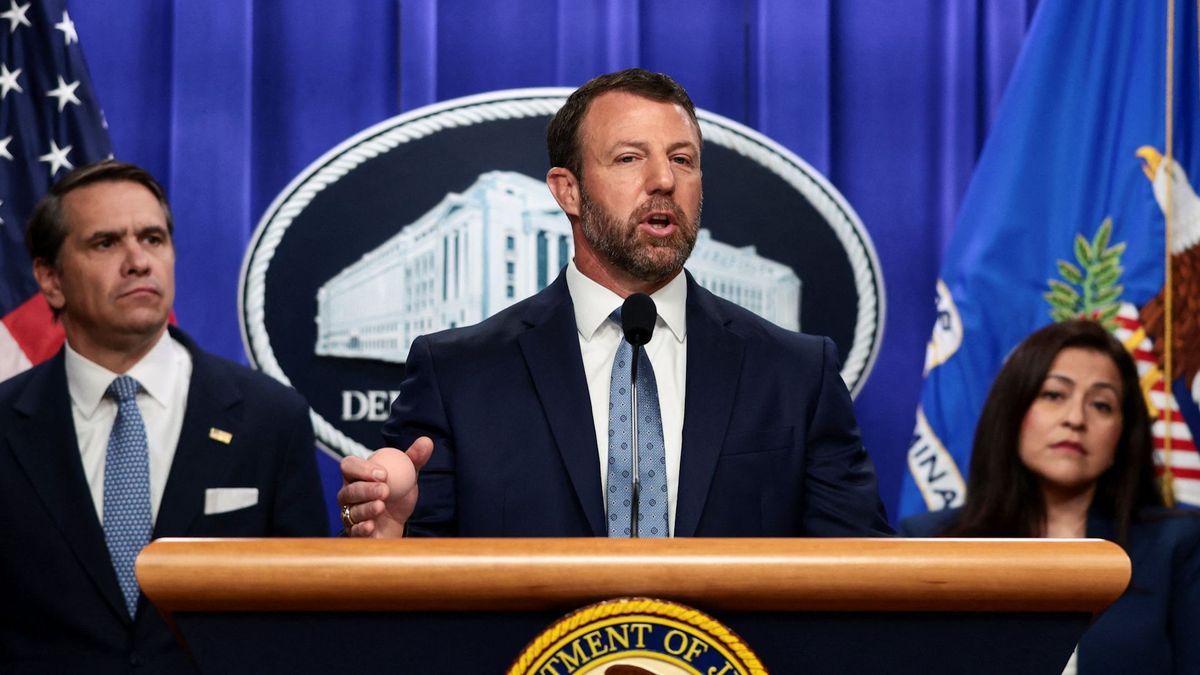
The United States government has recently issued a defense of its visa denial policies, which have reportedly prevented various officials and fans from traveling to the World Cup hosted in the U.S. This stance has ignited significant backlash from international football's governing body, FIFA, and a chorus of critics who argue that the policies, attributed to the previous Trump administration, are discriminatory. The controversy underscores a critical geopolitical tension between a sovereign nation's right to control its borders and its obligations and aspirations as a host of major international events.
The core of the issue revolves around the application of what are described as the "Trump administration’s strict border policies." While the specific details of the denied visas or the exact number of affected individuals are not provided in the initial reporting, the broad criticism suggests a pattern of denials impacting a diverse group of international attendees. Critics contend that these policies are not merely strict but inherently discriminatory, creating barriers for legitimate participants and spectators of a globally celebrated event. FIFA, as the organizer and custodian of the World Cup, finds itself in a difficult position, caught between the host nation's immigration laws and its mandate to ensure broad international participation and access to its flagship tournament.
The timing of this defense, during or immediately following the World Cup in June 2026, indicates that the issue has reached a point of public and diplomatic contention, necessitating a formal response from the U.S. government. The defense itself likely centers on national security prerogatives and the consistent application of immigration laws, framing the denials as a matter of domestic policy rather than an intentional slight against international visitors or FIFA.
Hosting an event of the World Cup's magnitude is a significant exercise in soft power projection. It offers a nation an unparalleled opportunity to showcase its culture, infrastructure, hospitality, and openness to the world. When visa denials become a prominent issue, especially when framed as discriminatory, it can severely undermine these objectives. The perception of the United States as an unwelcoming or overly restrictive destination can erode its global image, potentially impacting future tourism, international student enrollment, and even diplomatic relations with affected countries.
From a geopolitical standpoint, the controversy highlights the delicate balance between national sovereignty and global engagement. While every nation has the right to determine who enters its borders, the decision to host a global event like the World Cup carries an implicit responsibility to facilitate access for participants and fans from diverse backgrounds. Failure to do so can lead to accusations of hypocrisy and damage the host nation's reputation as a reliable and inclusive international partner.
The backlash from FIFA is particularly noteworthy. As a powerful international sports organization, FIFA's criticism carries weight and can influence perceptions among its 211 member associations. A strained relationship between FIFA and a host nation could have long-term implications for future bids to host major tournaments. Nations vying for such events are often judged not only on their infrastructure but also on their ability to ensure smooth and equitable access for all participants.
Moreover, this situation could set a precedent or contribute to a broader debate about the conditions under which international sporting events are awarded. It might prompt international bodies to seek stronger assurances regarding visa policies and accessibility from prospective host nations, particularly those with historically restrictive immigration frameworks. The incident also serves as a reminder that domestic political shifts and policy changes can have far-reaching international consequences, impacting everything from global sports to diplomatic ties.
The U.S. defense of its World Cup visa denials represents a complex intersection of national immigration policy, international diplomacy, and the projection of soft power. While the U.S. government maintains its right to enforce its border policies, the resulting backlash from FIFA and international critics underscores the potential damage to its global image and diplomatic standing. As nations increasingly compete to host prestigious international events, the ability to balance national security concerns with the imperative of global inclusivity will remain a critical challenge, shaping perceptions and influencing future international collaborations on the world stage.
Source referenced: ALJAZEERA
This brief was synthesized by our Editorial Engine and reviewed by The Ground Narrative team.