TRENDING

Sunday, 25 October 2026
----------------------
14 Jumada Al-Awwal 1448 AH
Former US Defence Secretary Lloyd Austin emphasizes the importance of international cooperation and diplomacy in resolving the Strait of Hormuz crisis, highlighting the economic and strategic implications of a prolonged military operation.
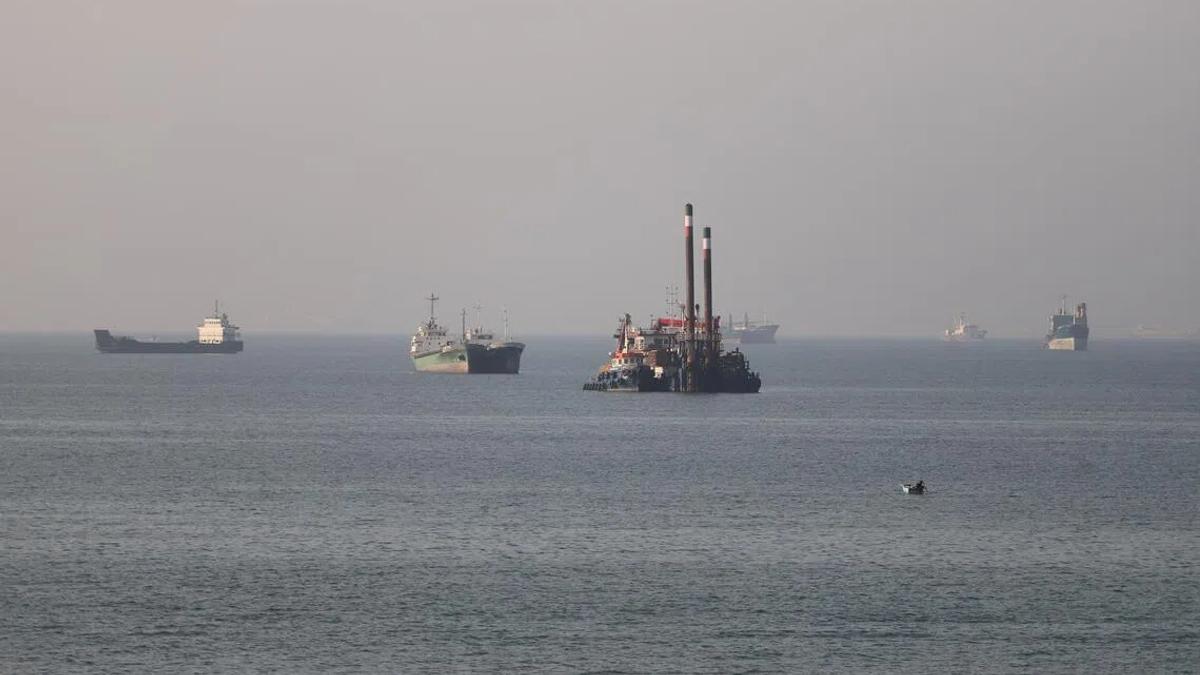
The Strait of Hormuz, a vital waterway connecting the Persian Gulf to the Gulf of Oman, has been a focal point of international tensions in recent years. The crisis has significant economic and strategic implications for the global community, with the US Navy playing a crucial role in maintaining freedom of navigation.
Former US Defence Secretary Lloyd Austin recently stated that the US Navy is capable of opening the Strait of Hormuz, but emphasized the need for an international effort to maintain the waterway's integrity. Austin's comments highlight the complexities of the crisis, which involves multiple regional actors, including Iran, Israel, and the US.
The Strait of Hormuz crisis is deeply rooted in regional dynamics and historical context. The ongoing conflict between Iran and Israel, as well as the involvement of other regional actors, has created a volatile environment. The recent flare-up in violence between Iran and Israel has threatened to derail broader US-Iran negotiations, underscoring the need for diplomatic efforts to resolve the crisis.
The Strait of Hormuz is a critical waterway for global oil and gas trade, with approximately 20% of the world's oil passing through it. A prolonged military operation to maintain the waterway's integrity would be costly and require international cooperation. Austin's emphasis on the need for allies and partners to be involved in maintaining freedom of navigation highlights the economic and strategic implications of the crisis.
Austin's comments on Taiwan also underscore the potential consequences of a conflict in the Taiwan Strait. A fight in the Taiwan Strait or its vicinity would have a significant impact on the global economy, surpassing the effects of a prolonged military operation in the Strait of Hormuz.
The Strait of Hormuz crisis is a complex issue with significant economic and strategic implications for the global community. Former US Defence Secretary Lloyd Austin's statement highlights the need for international cooperation and diplomacy to resolve the crisis. The US Navy's capability to open the Strait of Hormuz is a crucial factor in maintaining freedom of navigation, but it is essential to address the underlying regional dynamics and historical context to achieve a lasting resolution.
Editor's Note: Austin's comments on the need for allies and partners to be involved in maintaining freedom of navigation highlight the economic and strategic implications of the crisis.
Source referenced: STRAITSTIMES
This brief was synthesized by our Editorial Engine and reviewed by The Ground Narrative team.