TRENDING

Friday, 6 November 2026
----------------------
26 Jumada Al-Awwal 1448 AH
The 2026 US Midterm Elections have been interpreted by some analysts as a public rejection of continued military intervention and unconditional support for Israel. This analysis delves into the underlying power dynamics shaping American foreign policy and its global repercussions.
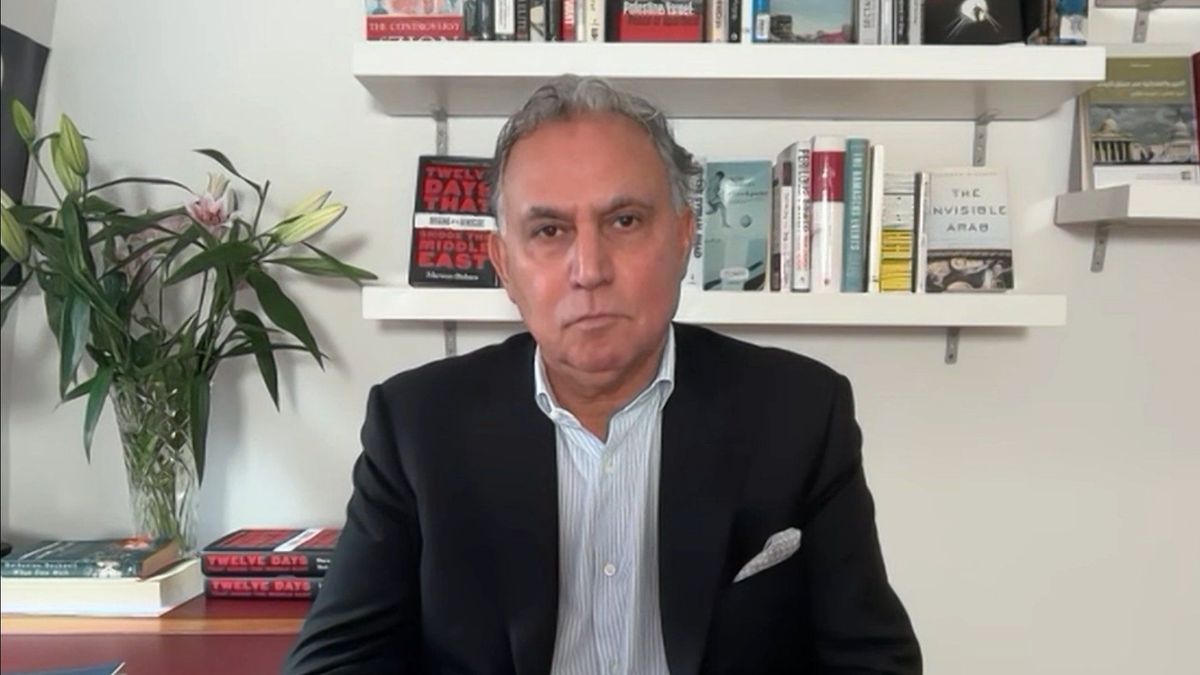
Following the US Midterm Elections in 2026, an interpretation emerged from some political analysts suggesting the results delivered a significant blow to what they termed "warmongers and populist nationalists." This perspective argues that the electoral outcomes reflected a growing public opposition within the United States to further military engagements in the Middle East and a desire to re-evaluate the nature of unconditional US support for Israel. The analyst, Marwan Bishara, specifically highlighted this as a public mandate for a more restrained foreign policy approach.
The idea that a midterm election can fundamentally alter the trajectory of a nation's foreign policy is often more complex than it appears on the surface. While elections are the most visible mechanism for public will to be expressed, the actual mechanics of power in foreign policy are deeply entrenched and operate on multiple levels.
Foreign policy in the United States is not solely dictated by the party in power or the immediate electoral mood. It is shaped by a vast, intricate network of institutions: the Pentagon, the State Department, various intelligence agencies, and a deeply embedded military-industrial complex. These bodies possess immense bureaucratic inertia, long-term strategic plans, and established relationships with foreign counterparts. Shifting this apparatus requires more than an election; it demands sustained political will, often across multiple administrations, and a willingness to confront powerful internal lobbies.
Beyond the official state apparatus, powerful non-state actors exert significant influence. Lobbying groups, particularly those advocating for specific foreign policy stances, such as pro-Israel organizations, defense contractors, and various diaspora communities, spend vast sums to shape legislation and public discourse. Their influence extends to campaign donations, media narratives, and direct engagement with policymakers. This creates a formidable counter-force to any perceived public mandate for change, making it difficult for elected officials to deviate from established positions without facing significant political and financial repercussions.
US engagement in the Middle East, despite its human costs, is underpinned by substantial economic and strategic interests. The region remains critical for global energy markets, and arms sales to allies represent a significant component of the US defense industry's revenue. Furthermore, the United States views its presence as a check against rival powers like China and Russia, and as a means to counter perceived threats from non-state actors. These deep-seated economic and strategic imperatives often override public sentiment, as policymakers frame continued engagement as essential for national security and economic stability.
Certain elements of US foreign policy, particularly support for Israel, have historically enjoyed a strong bipartisan consensus. While specific tactics or levels of aid might be debated, the fundamental commitment has largely transcended party lines. This consensus is reinforced by shared ideological frameworks, historical ties, and the aforementioned lobbying efforts. For a midterm election to truly challenge such a deeply ingrained bipartisan pillar would require a seismic shift in political alignment and a sustained, organized grassroots movement capable of overcoming decades of established policy.
When foreign policy decisions prioritize strategic interests or political survival over public sentiment, it is often ordinary people who bear the most significant costs, both at home and abroad.
The most immediate and devastating human cost is borne by populations in the Middle East. Prolonged conflicts, often fueled or exacerbated by external interventions and arms flows, lead to mass displacement, humanitarian crises, and the destruction of infrastructure. Civilians in countries like Yemen, Syria, and Palestine face daily violence, food insecurity, and a lack of basic services. The perception of unconditional support for one side in a conflict can also entrench grievances, perpetuate cycles of violence, and undermine efforts towards lasting peace. The human toll is measured in lives lost, shattered communities, and generations scarred by conflict.
Domestically, the costs manifest in different ways. American taxpayers shoulder the immense financial burden of military interventions, foreign aid packages, and maintaining a global military presence. These resources, diverted from domestic priorities like healthcare, education, or infrastructure, represent an opportunity cost for the nation. Furthermore, US military personnel and their families bear the direct human cost of deployment, injury, and psychological trauma, often returning to a society that struggles to fully address their needs. The long-term consequences of such engagements can ripple through society for decades.
Beyond the immediate physical and financial costs, there is an intangible but profound human cost in the erosion of trust. When US foreign policy is perceived as inconsistent, self-serving, or indifferent to the suffering of certain populations, it diminishes the United States' standing on the global stage. This can lead to increased anti-American sentiment, complicate diplomatic efforts, and empower rival powers who present themselves as more principled or reliable partners. The human cost here is a fractured international order, less amenable to cooperation on pressing global challenges.
While the narrative of a public mandate against
US Midterm Elections primarily reflect domestic concerns, but they can signal shifts in public sentiment that influence foreign policy over time. While direct, immediate changes are rare due to institutional inertia, a strong electoral message can pressure lawmakers to re-evaluate existing international commitments.
Significant obstacles include the deep-seated interests of the military-industrial complex, powerful lobbying groups, a historically bipartisan consensus on certain alliances (like with Israel), and the complex web of economic and strategic imperatives that underpin US engagement in the region.
The primary human cost is borne by civilian populations in the Middle East, who endure conflict, displacement, and humanitarian crises. American taxpayers and military personnel also bear significant financial and personal burdens from prolonged engagements.
Editor's Note: The raw intelligence is an analyst's interpretation. This analysis explores the mechanisms through which such an interpretation might (or might not) translate into actual policy shifts, acknowledging the complexity and inertia of foreign policy.
Source referenced: ALJAZEERA
This brief was synthesized by our Editorial Engine and reviewed by The Ground Narrative team.