TRENDING

Wednesday, 7 October 2026
----------------------
26 Rabi' Al-Thani 1448 AH
The US and Iran have intensified strikes, raising concerns of a return to all-out war in the Middle East. The escalation has significant implications for regional stability and global security.
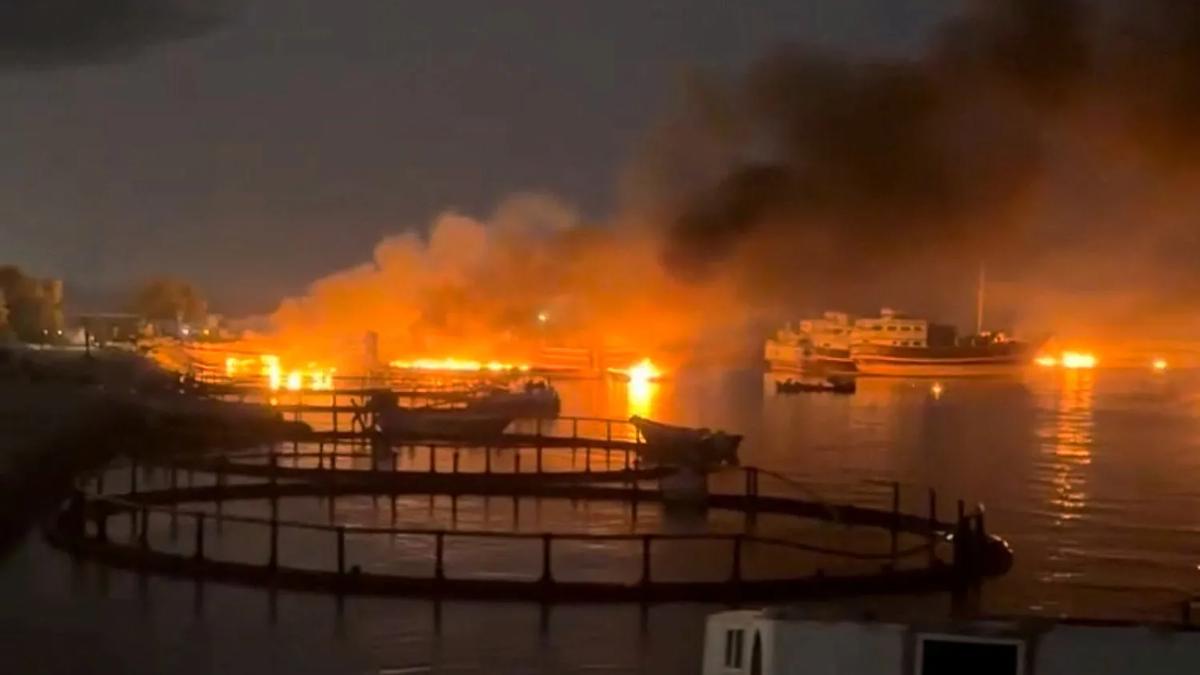
The recent surge in US-Iran tensions has brought the Middle East to the brink of all-out war. The past week has seen a significant escalation in strikes, with both sides exchanging fire for a third consecutive day. The US has launched retaliatory strikes against Iranian targets, including air defense systems, coastal surveillance assets, and military logistics infrastructure. In response, Iran has stepped up its own assaults, firing at US targets in the Gulf nations of Kuwait, Qatar, and Bahrain.
The current tensions between the US and Iran have their roots in the 1979 Iranian Revolution, which led to the establishment of an Islamic republic. The US, along with other Western powers, imposed economic sanctions on Iran, which have been in place ever since. The situation escalated in 2019 when the US withdrew from the Joint Comprehensive Plan of Action (JCPOA), also known as the Iran nuclear deal. The US reimposed sanctions on Iran, which led to a significant decline in the country's economy.
The US has several strategic motivations for its actions in the region. Firstly, the US seeks to contain Iran's growing influence in the Middle East. Iran has been actively involved in regional conflicts, including the Syrian civil war and the Yemeni conflict. The US aims to prevent Iran from expanding its sphere of influence and to maintain its own regional dominance.
Secondly, the US is seeking to pressure Iran to renegotiate the JCPOA. The US has been critical of the deal, which it believes does not go far enough in restricting Iran's nuclear program. The US wants to impose stricter sanctions on Iran and to limit its nuclear capabilities.
The current tensions between the US and Iran have significant implications for regional stability. The Middle East is already a volatile region, with several ongoing conflicts and tensions between various countries. The escalation of US-Iran tensions has the potential to draw in other regional actors, including Saudi Arabia, the UAE, and Israel.
The future consequences of the current tensions between the US and Iran are uncertain. However, several possible outcomes can be considered. Firstly, the situation could escalate further, leading to a full-scale war between the US and Iran. This would have significant consequences for regional stability and global security.
Secondly, the situation could de-escalate, with both sides agreeing to a ceasefire and returning to negotiations. This would require significant diplomatic efforts and a willingness from both sides to compromise.
The current tensions between the US and Iran are a complex and multifaceted issue. The situation has significant implications for regional stability and global security. The future consequences of the current tensions are uncertain, but several possible outcomes can be considered. The situation requires careful monitoring and analysis to understand the motivations and actions of both sides.
Editor's Note: The analysis is based on publicly available information and may not reflect the full complexity of the situation.
Source referenced: FOREIGNPOLICY
This brief was synthesized by our Editorial Engine and reviewed by The Ground Narrative team.